
Trusted by leading companies
Sustainable food packaging
Lower-impact packaging for chilled and frozen food delivery, designed around product protection and real cold-chain performance
— Built to Reduce Packaging Waste Without Increasing Food Waste —
Sustainable Food Packaging Has to Protect the Product First
Sustainable food packaging is not just about using less material or choosing a greener-looking format. In chilled and frozen delivery, the packaging has to protect the product through storage, packing, handling, transit and final delivery. If a lower-impact packaging choice increases food waste, failed deliveries or replacement shipments, the overall system has not become more sustainable.
Food brands have to balance visible packaging waste with the less visible impact of product loss. Meal kits, meat, fish, seafood, dairy, grocery, fresh produce and frozen food all place different demands on insulation, coolant choice, moisture resistance, pack-out consistency and end-of-life.
Hydropac supports food producers, retailers, farm shops, e-commerce brands and logistics partners with FreshPac insulated packaging, Hydropac ice packs and cold-chain optimisation support. The aim is to help businesses reduce unnecessary packaging impact while still protecting product quality, shelf life and customer experience.
Discover Sustainable Food Packaging Solutions
Lower-impact food packaging has to perform in real delivery conditions. These Hydropac solutions are the strongest fit for chilled and frozen food businesses looking to improve sustainability without compromising product protection.
A Food Waste First Approach to Packaging Sustainability
Less Packaging Is Not Sustainable If More Food Gets Wasted
In food delivery, packaging waste is easy to see. Food waste is often the bigger failure. A packaging system that uses less material but allows chilled or frozen products to arrive outside the required condition can create more waste, more replacement shipments and a worse customer experience.
Sustainable food packaging needs to be right-sized, not under-specified. It has to match the product, payload, coolant, route, ambient exposure and delivery model. A short local delivery route may need a very different solution from a national courier shipment or frozen food parcel.
Hydropac helps customers assess that balance. The right solution may be paper-based insulation, a recyclable liner, a postal pocket, an EPS box, water-based coolants or a more robust frozen pack-out. The most sustainable choice is the system that protects the food with the least unnecessary material and a realistic end-of-life route.
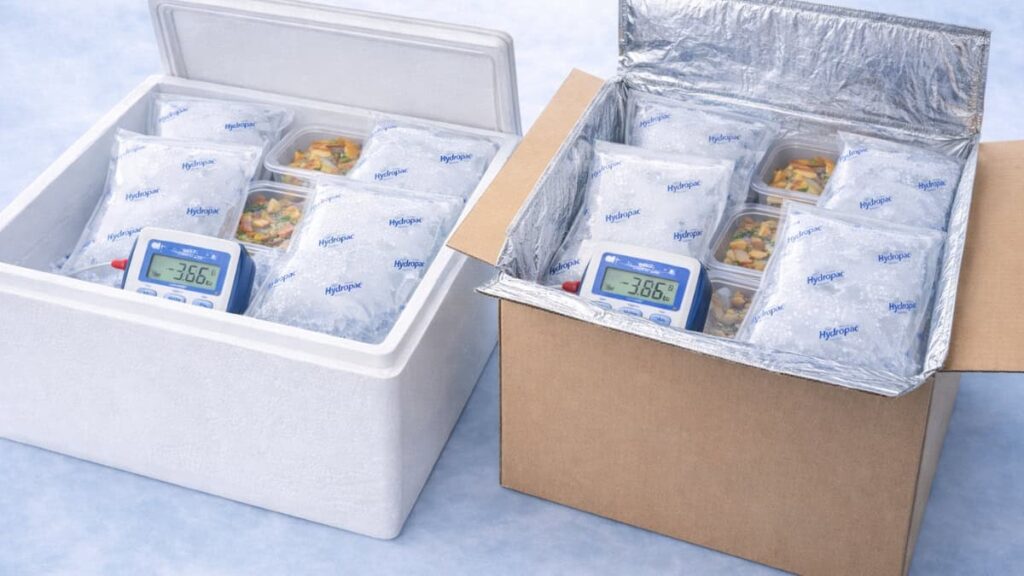
Sustainable Food Packaging Starts With Product Protection
Sustainable food packaging has to start with the product. A chilled meal kit, a box of seafood, a dairy shipment, a frozen food parcel and a local grocery delivery all have different temperature, handling and packaging requirements.
That is why sustainable packaging in food distribution cannot be judged by material alone. A lighter format, paper-based insulation or recyclable liner only creates value if it still protects the product through the route. If temperature control fails, the business may reduce packaging impact on paper but increase food waste, replacement transport, refunds and customer complaints in practice.
This is where food packaging connects back to the wider principles of Sustainability & Circular Packaging. The packaging system has to reduce unnecessary impact while still maintaining product integrity, shelf life and delivery performance.
Chilled and Frozen Delivery Need Different Packaging Decisions
Food delivery is not one use case. Chilled and frozen products behave differently, and the packaging system needs to reflect that.
Chilled food often needs stable temperature control over a short to medium delivery window, with the right balance of insulation and coolant. Frozen food may require lower-temperature coolants, stronger insulation and a pack-out designed to manage longer exposure or more demanding transit conditions.
Product type also matters. Wet fish and seafood need packaging that can handle moisture and maintain structure. Dairy and chilled ready meals need consistent temperature protection. Small chilled items may be suitable for postal pocket formats, while larger mixed food boxes may require insulated liners or rigid shipping systems.
A sustainable packaging choice should therefore be made around:
- product temperature requirement;
- chilled or frozen application;
- payload size and thermal mass;
- route duration and courier handling;
- ambient exposure and seasonality;
- coolant type and conditioning;
- storage, packing and end-user disposal route.
The right system is not always the lowest-material option. It is the option that protects the food without adding avoidable material, weight or complexity.
Material Choice Has to Match the Route
Food brands often start with the material question: paper, plastic, wool, EPS, recyclable liner or reusable format. That question matters, but it comes after the route and product requirement.
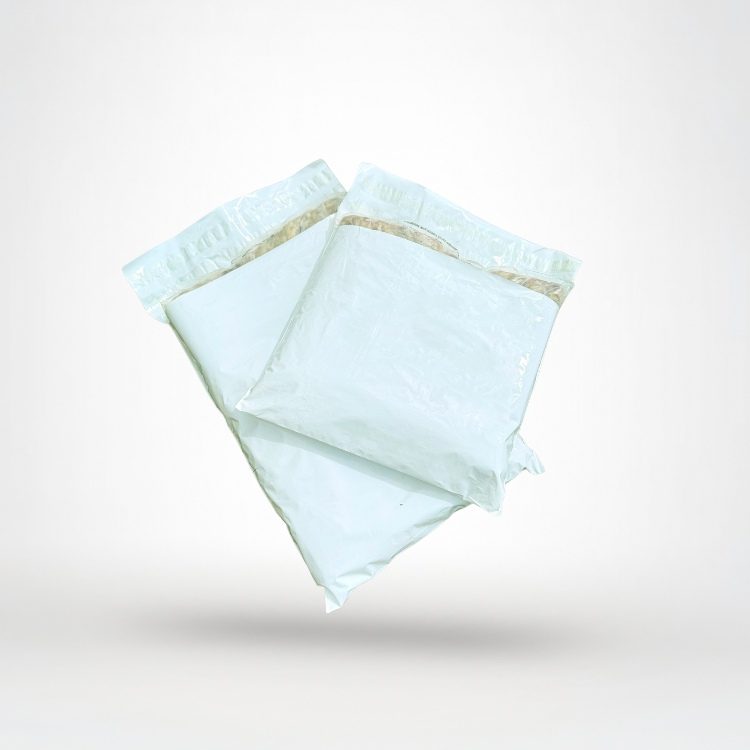
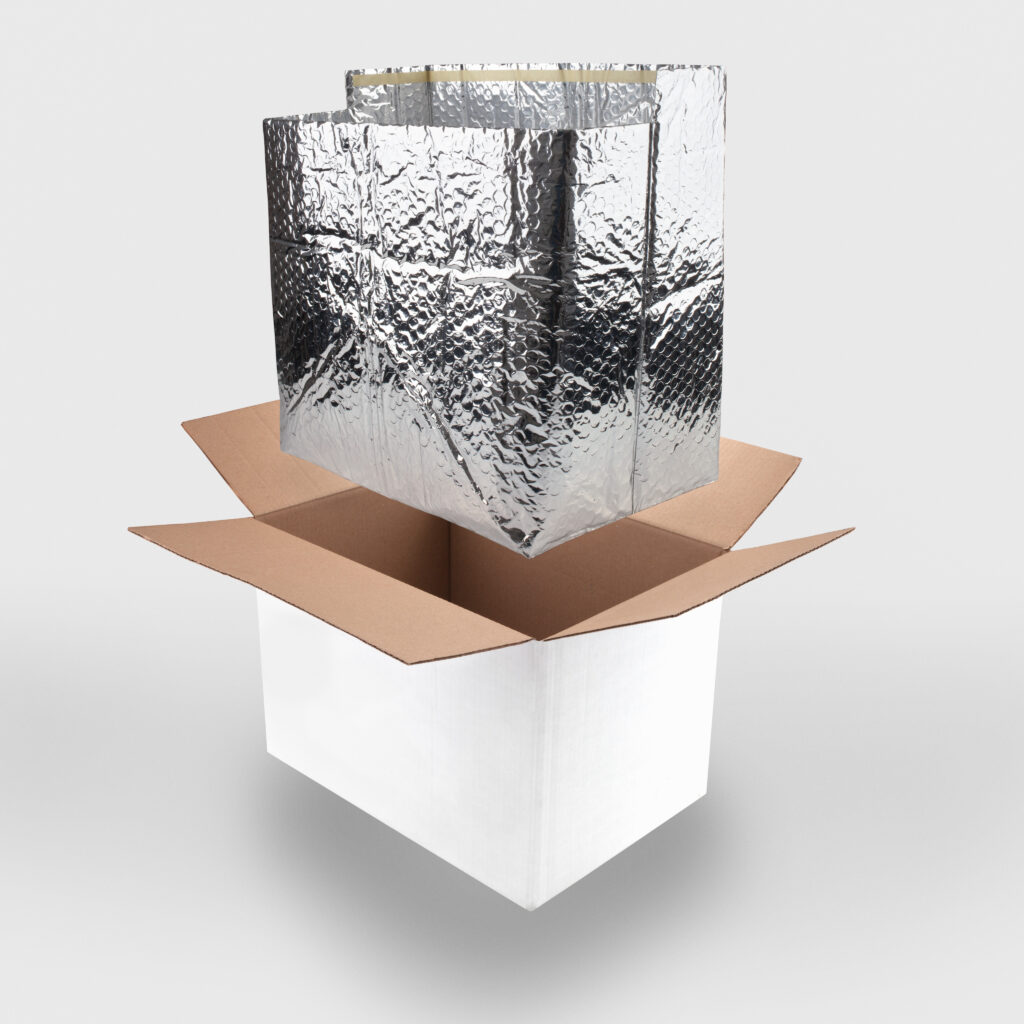
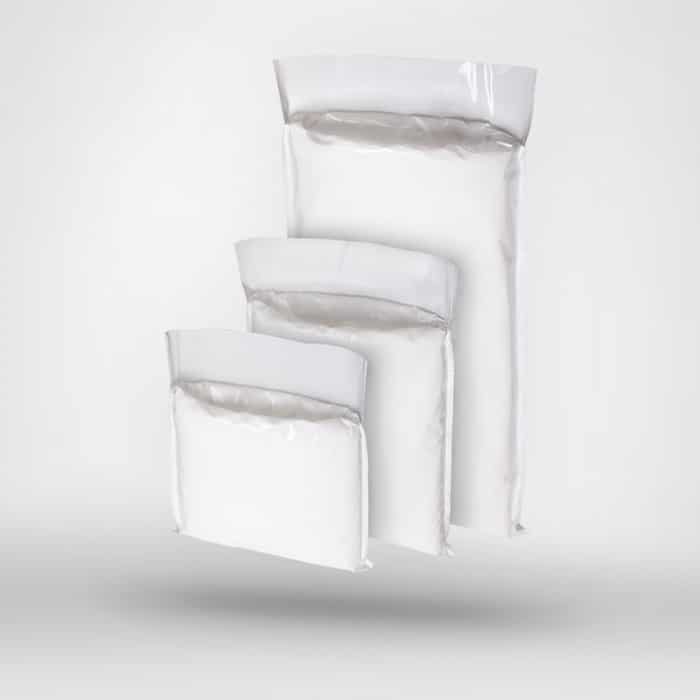
EnviroCool can support food businesses looking for plant-based, paper-based insulation where the route and product profile are suitable. RecycleAir can support chilled parcel and food distribution where a recyclable LDPE liner system is a better operational fit. Wool thermal postal pockets can work well for smaller chilled items moving through postal or courier routes.
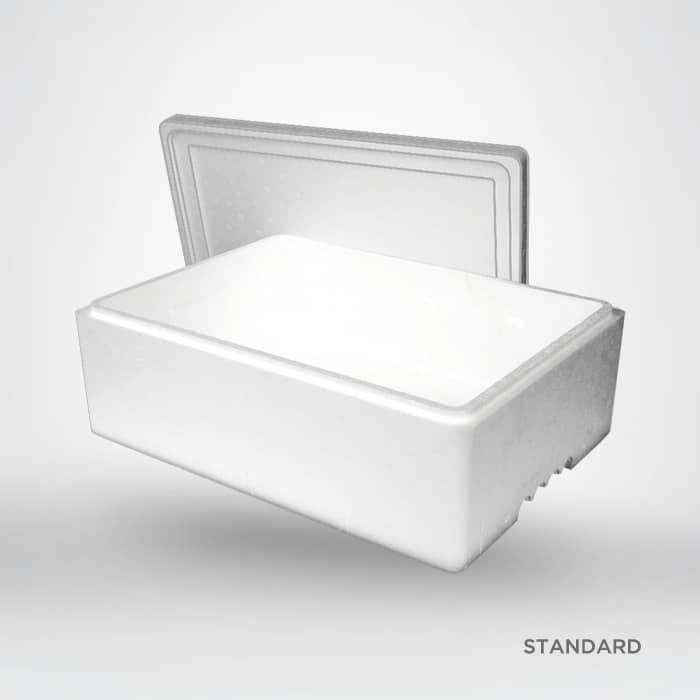
EPS boxes still have a place where stronger thermal performance, moisture resistance or robustness is required, particularly for wet fish, seafood, chilled meat and frozen products. They need to be positioned honestly: effective, reusable and recyclable through selected routes, but not universally kerbside recyclable.
Coolants follow the same logic. Water ice packs can be a strong lower-impact option where the delivery profile allows it. Gel or frozen coolants may be justified where the payload, route or performance requirement demands different thermal behaviour. That is why coolant selection connects naturally with Recyclable Gel Packs and Lower-Impact Coolant Choices, especially when food brands are trying to reduce impact without weakening temperature control.
Right-Sized Packaging Reduces Waste and Cost
Over-engineering is not sustainable. Under-protection is not sustainable either.
A food packaging system that is too heavy, too bulky or too complex can increase material use, storage requirements, pallet space and transport cost. A system that is too light or poorly matched to the route can increase product waste and failed deliveries. Both create avoidable impact.
Right-sized protection means matching the packaging system to the real distribution model. For a local delivery route, that may mean a reusable insulated bag or compact chilled pack-out. For a national courier shipment, it may mean a tested liner system, suitable coolant and clear pack-out instructions. For frozen food, it may require more robust insulation and a different coolant strategy.
This is also where carbon impact becomes more practical than theoretical. Packaging weight, pallet density, storage footprint, freezer capacity, failed deliveries and product waste all influence the footprint of temperature-controlled transport. These factors sit at the centre of Reducing Carbon Impact in Temperature Controlled Transport, where sustainability is treated as an operational system rather than a material claim.
Evidence-Led Sustainability Claims for Food Brands
Food brands are under increasing pressure to make packaging more sustainable, but vague claims can create risk. Terms such as eco-friendly, compostable, recyclable or sustainable only mean something when they are specific to the material, the use case and the end-of-life route.
For cold-chain food packaging, claims also need to be balanced against performance. A recyclable material still needs to protect chilled or frozen products. A paper-based format still needs to be suitable for the moisture, route and payload. A reusable system only works where return, cleaning and loss rates make sense.
Hydropac helps customers make these decisions in practical terms. That means selecting packaging around product type, route profile, handling process, coolant performance and customer disposal reality. Where recycled-content or recyclable insulation is being considered, Recycled Insulated Packaging for Cold Chain Performance is the next step because the material choice still has to be tested against thermal performance and route suitability.
Sustainable food packaging should not rely on the strongest environmental claim. It should rely on the strongest balance between product protection, material efficiency and credible end-of-life.
Contact us directly
We are ready to answer all your questions and help you find the perfect solution for your cold chain transport.
From issue to a customised cooling solution
In this way we help you to guarantee the quality and safety of food products under all circumstances.
Mass production
Transport
End user
FAQ’s about Sustainable Food Packaging
What is sustainable food packaging?
Sustainable food packaging is packaging designed to reduce environmental impact while still protecting the product. For chilled and frozen food delivery, this can include recyclable materials, paper-based insulation, reusable formats, water-based coolants, right-sized pack-outs and improved end-of-life routes. The packaging still needs to maintain product quality and temperature control through the delivery journey.
Why does food waste matter when choosing sustainable packaging?
Food waste is a major part of the sustainability equation. If a lower-impact packaging format causes chilled or frozen food to arrive in poor condition, the result can be product waste, replacement shipping, refunds and customer complaints. Sustainable food packaging should reduce packaging impact without increasing food waste.
Is paper-based food packaging always more sustainable?
Not always. Paper-based packaging can be a strong option where the product, route and moisture exposure are suitable, but it still needs to protect the food during transport. In some cases, recyclable liners, insulated postal pockets, EPS boxes or reusable systems may be more appropriate. The right choice depends on the product and delivery model.
What is the best sustainable packaging for chilled food delivery?
The best option depends on payload size, product sensitivity, route duration, ambient exposure and customer disposal route. Smaller chilled items may suit thermal postal pockets, while larger food boxes may need insulated liners with suitable coolants. Hydropac can help match the packaging and coolant to the real delivery conditions.
Can sustainable food packaging be used for frozen food?
Yes, but frozen food usually requires a more demanding pack-out than chilled food. The packaging may need stronger insulation, lower-temperature coolants and route-specific testing. A sustainable frozen food packaging system should reduce unnecessary material while still protecting the product from thawing or temperature abuse.
— Related articles —
 Eco Friendly
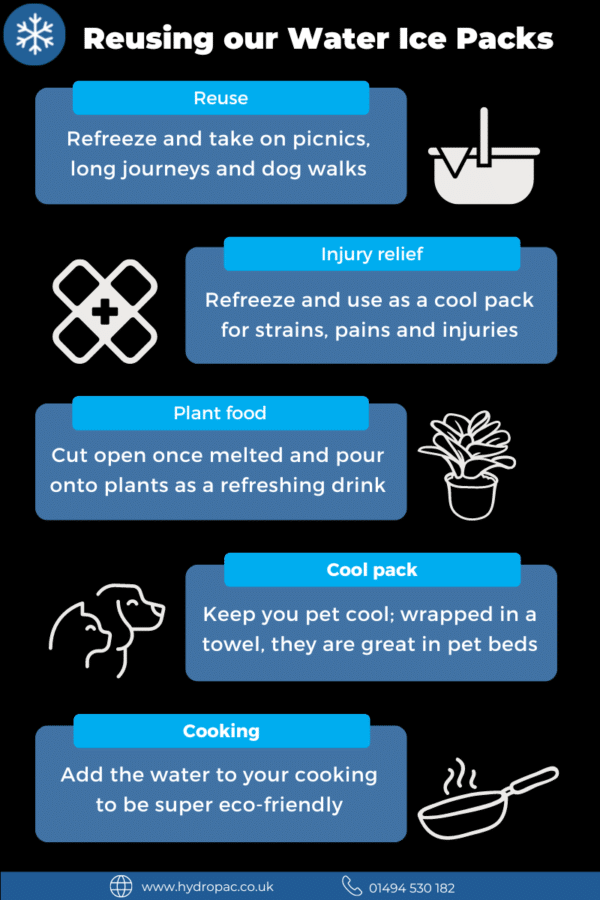
 Reusing & Repurposing our Water Ice Packs
 Eco Friendly
 “Biodegradable” – the Attractive Word for “Landfill”
 Eco Friendly