
Trusted by leading companies
Sustainability & Circular Packaging
Lower-impact temperature-controlled packaging designed around product protection, circularity and real cold-chain performance
— Built for Lower Impact, Product Protection and Evidence-Led Claims —
Sustainable Cold Chain Packaging Without Compromising Performance
Sustainability in cold-chain packaging cannot be measured by material choice alone. Temperature-controlled packaging still has to protect chilled, frozen and temperature-sensitive goods through storage, handling and transport. If a lower-impact material reduces packaging waste but increases product loss, failed deliveries or temperature excursions, the system has not become more sustainable. It has simply moved the risk somewhere else.
A circular packaging approach looks at the full system: recyclability, reuse potential, recycled content, coolant choice, material efficiency, pack-out consistency and end-of-life. It also has to consider the route, payload, ambient exposure and the temperature range the product must maintain.
Hydropac helps food, healthcare, pharmaceutical and logistics customers make more informed cold-chain packaging decisions. Through FreshPac, PharmaPac, Hydropac ice packs and Cold Chain Optimisation, we support packaging systems that are lower impact where possible, right-sized for the route and still built around product protection.
Discover Sustainable Cold Chain Packaging Solutions
Lower-impact packaging has to perform in real distribution conditions. These Hydropac solutions are the strongest fit for this parent page because they support recyclability, renewable materials, water-based coolants, material efficiency and cold-chain optimisation.
A Performance-First Approach to Sustainable Packaging
Lower Impact Only Works If the Product Still Arrives Protected
Sustainable cold-chain packaging is not about using the least material at any cost. It is about using the right amount of material, in the right system, to protect the product without unnecessary waste.
Too little protection can create product loss, replacement shipments, customer complaints and avoidable carbon impact. Too much protection can increase material use, parcel weight, storage demand and cost without improving control. Both outcomes are inefficient.
Hydropac helps customers find the balance between performance and impact. That means looking at the product, payload, route, ambient exposure, coolant, insulation and pack-out together. The most sustainable solution is not always the lightest, the thickest, the newest material or the strongest claim. It is the system that performs reliably while reducing unnecessary impact.
Explore Sustainable Cold Chain Packaging Applications
Different sustainability goals require different packaging decisions. Food delivery, coolant selection and recycled insulation each involve different trade-offs between performance, recyclability, cost, handling and end-of-life. Explore the key areas below to understand how lower-impact packaging can be applied without weakening cold-chain performance.
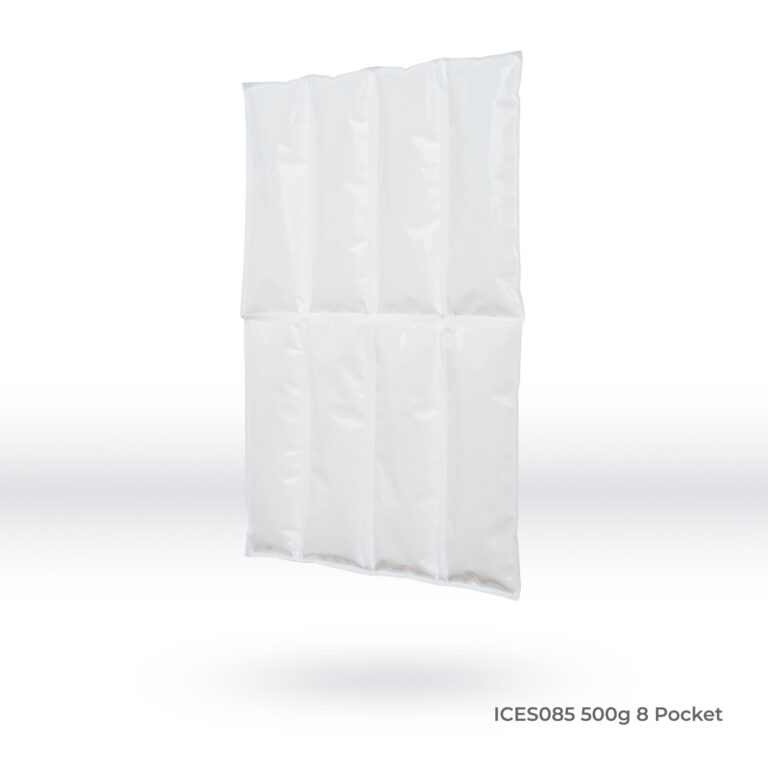
Recyclable gel packs
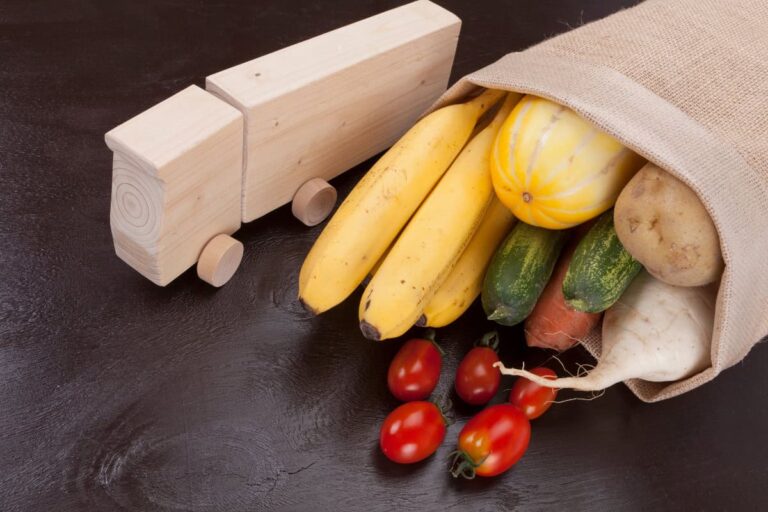
Sustainable food packaging
Recycled insulated packaging
Sustainable Cold Chain Packaging Is a System Decision
Sustainable cold-chain packaging is not defined by a single material, label or environmental claim. In temperature-controlled distribution, the packaging has to protect the product first. Only then can material reduction, recyclability, reuse or recycled content create genuine value.
Every part of the pack-out changes the environmental and operational result. Insulation affects thermal resistance. Coolant choice affects temperature behaviour and disposal. Payload size changes how quickly the internal environment responds. Storage footprint, pallet density and parcel weight all influence the wider distribution impact.
That is why Hydropac treats sustainability as a system decision. The right solution may be paper-based, recyclable, reusable, water-based, recycled-content or simply better right-sized for the route. What matters is whether it reduces unnecessary impact without increasing temperature risk.
Lower Impact Cannot Increase Product Waste
In cold-chain distribution, less packaging is not automatically more sustainable. If a chilled or frozen shipment fails because the packaging was under-specified, the result can be product waste, replacement transport, customer complaints and additional operational cost.
This is especially important in food delivery. A packaging format that looks lower impact on material use can still create a worse total outcome if it compromises shelf life or delivery performance. The better question is not “which packaging uses the least material?” but “which system protects the product with the least unnecessary material?”
That balance is the core of Sustainable Food Packaging for Chilled and Frozen Delivery, where packaging waste and food waste have to be considered together.
Circularity Means More Than Recycling
Recycling is important, but circular packaging is wider than recyclability alone. A material can be technically recyclable and still fail commercially if the end user has no clear route to recycle it, if the packaging becomes contaminated, or if it does not perform well enough for the shipment.
A circular cold-chain packaging decision should consider:
- whether the material has a realistic end-of-life route;
- whether reuse is practical within the operating model;
- whether recycled content affects performance or handling;
- whether the pack-out is right-sized for the payload;
- whether the system reduces waste without increasing failure risk;
- whether the sustainability claim can be evidenced clearly.
This is why reusable and single-use insulated packaging should be assessed through the operating model, not ideology. In a controlled return loop, reuse may work well. In an open courier network, a recyclable single-use format may be more realistic. That cost-to-serve question is the important distinction behind Reusable vs Single-Use Insulated Packaging in Cost-to-Serve Modelling.
Coolants and Insulation Need Honest Trade-Offs
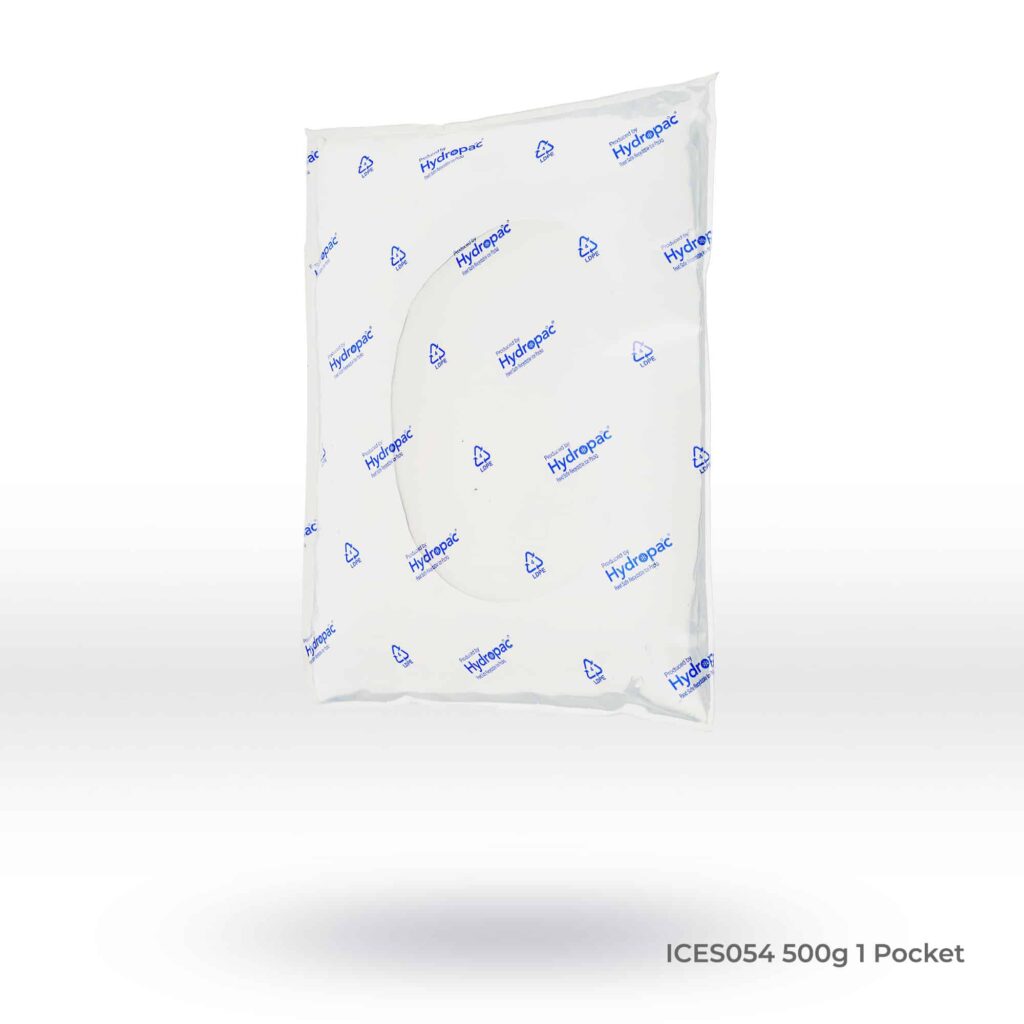
Coolants are often overlooked in sustainability decisions, but they are central to cold-chain performance. A water ice pack may be the simplest lower-impact option where the route, payload and required duration allow it. A gel pack may be more appropriate where shape stability, thaw behaviour or handling requirements matter.
The point is not that one coolant is always better. The point is that coolant choice has to match the product and the route. A lower-impact pack that fails thermally is not a lower-impact system.
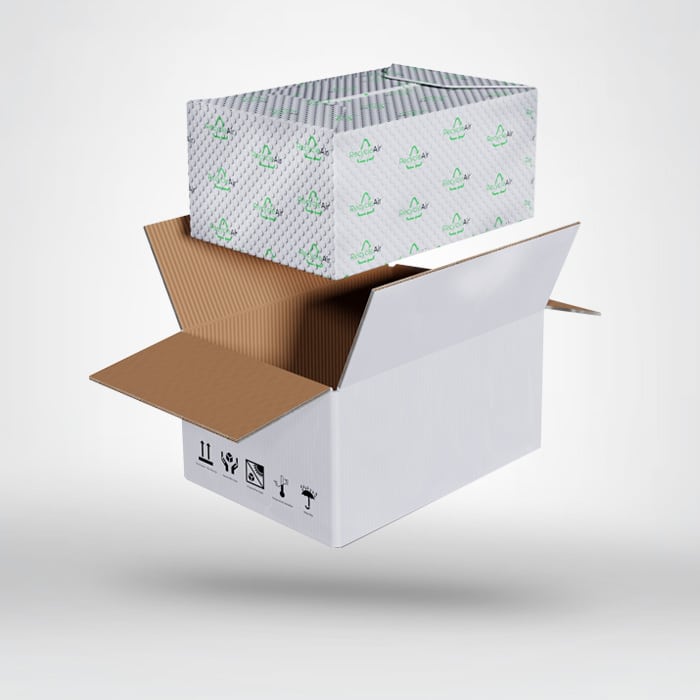
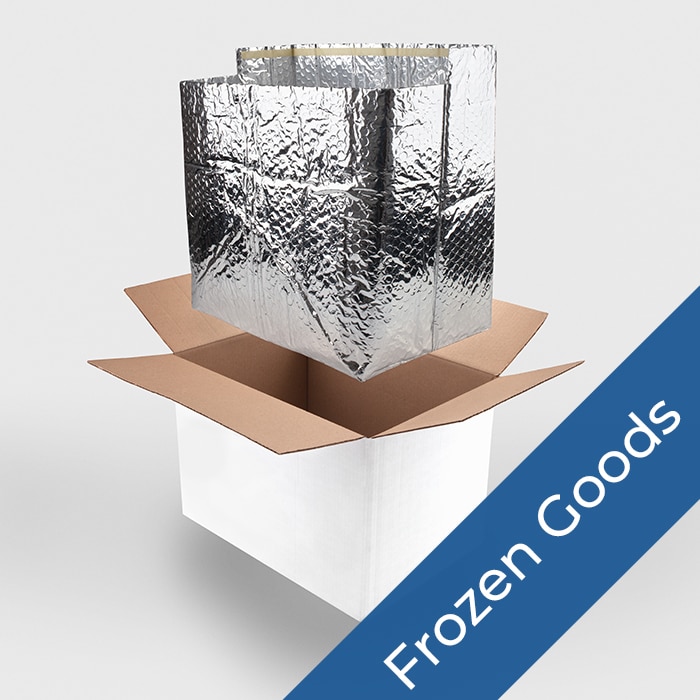
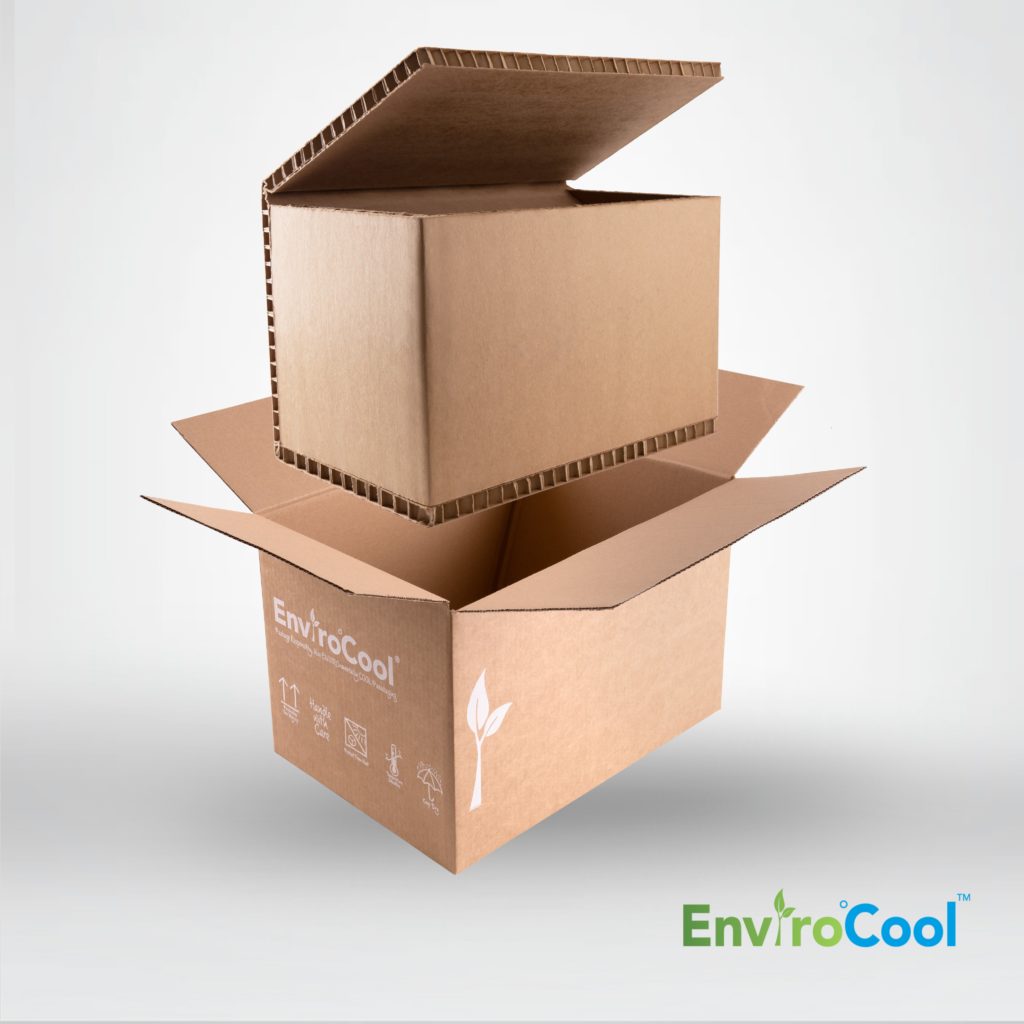
That same logic applies to insulation. Paper-based insulation, recyclable LDPE liners, wool pockets, EPS boxes, recycled-content materials and reusable formats can all be valid in the right application. Each brings different trade-offs around performance, storage, handling, recyclability and end-of-life.
This is why Recyclable Gel Packs and Lower-Impact Coolant Choices should be evaluated beyond the outer film, and why Recycled Insulated Packaging for Cold Chain Performance needs to stay tied to thermal performance rather than recycled content alone.
Evidence-Led Claims and Cold Chain Optimisation
Sustainability claims in packaging need to be specific. “Eco-friendly” or “green” does not mean much unless the claim explains what is lower impact, under what conditions and through which end-of-life route.
For cold-chain packaging, evidence has to include performance as well as material impact. A recyclable or recycled-content material still needs to maintain the required temperature range in the intended pack-out. A lighter system still needs to survive handling. A reusable format still needs a workable return model.
Hydropac’s Cold Chain Optimisation approach is relevant because it looks beyond the material. It considers the product, route, packaging configuration, coolant use, testing, cost drivers and operational process together. This helps customers reduce over-engineering where possible and improve protection where risk is being under-managed.
That is also where carbon impact becomes more practical than theoretical. Packaging weight, pallet density, storage footprint, freezer capacity, failed deliveries and product loss all influence the wider footprint of temperature-controlled transport, which is why Reducing Carbon Impact in Temperature Controlled Transport belongs within this cluster. Where recycled materials are being considered, Recycled Insulation Materials and Performance Trade-Offs can support the technical assessment behind the material choice.
Contact us directly
We are ready to answer all your questions and help you find the perfect solution for your cold chain transport.
FAQ’s about Sustainability & Circular Packaging
What is sustainable cold chain packaging?
Sustainable cold chain packaging is temperature-controlled packaging designed to reduce environmental impact while still protecting the product during storage, handling and transport. It may involve recyclable materials, reusable formats, recycled content, water-based coolants, right-sized pack-outs or improved end-of-life design. The right option depends on the product, route, payload and performance requirement.
Is recyclable packaging always the most sustainable option?
Not always. Recyclability is important, but the packaging also has to protect the product and be recyclable through a realistic material stream. If a recyclable package fails to maintain temperature and causes product loss or replacement shipments, the total impact may be worse. Cold-chain packaging should be assessed by performance, material use and end-of-life together.
Are reusable insulated packaging systems better than single-use systems?
Reusable packaging can be a strong option where there is a reliable return loop, cleaning process, low loss rate and repeated use. Single-use recyclable packaging may be more practical for open courier networks or customer-facing deliveries where returns are uncertain. The better option depends on the operating model, route and total cost-to-serve.
How can cold chain packaging reduce carbon impact?
Cold chain packaging can reduce carbon impact by avoiding over-engineering, improving pallet density, reducing parcel weight, protecting products from waste and matching insulation and coolant to the real route. The material itself matters, but so do storage, transport efficiency, failed deliveries and product loss.
How does Hydropac avoid vague eco-friendly packaging claims?
Hydropac focuses on specific packaging attributes rather than vague claims. This means considering whether a product is recyclable through appropriate routes, reusable in the right operating model, made with renewable or recycled materials, or right-sized to reduce unnecessary waste. For cold-chain packaging, sustainability claims must always be balanced with thermal performance and product protection.