
Trusted by leading companies
Pharma Cold Chain Logistics
Passive packaging systems and pack-out support for temperature-sensitive pharmaceutical supply chains
— Built for Route Risk, Pack-Out Control and Logistics Reliability —
Packaging Support for Real-World Pharmaceutical Logistics
Pharma cold chain logistics depends on more than refrigerated storage or controlled transport. Medicines, vaccines, biologics, clinical materials and healthcare products can move through multiple handling stages before they reach the end destination. Each stage introduces risk: picking, packing, staging, courier collection, depot handling, route variation and final delivery.
The packaging system is the control layer that stays with the product throughout that journey. It has to protect the payload when external conditions change, when handovers take longer than expected and when the shipment is outside a controlled room, vehicle or warehouse environment. For pharmaceutical logistics teams, this makes packaging selection a technical and operational decision, not just a purchasing decision.
Discover Pharma Cold Chain Logistics Solutions
Pharmaceutical logistics performance depends on how packaging behaves across the full distribution journey. Explore Hydropac solutions that support temperature-sensitive pharmaceutical shipments through storage, pack-out, handover, courier movement and controlled distribution networks.
A Structured Approach to Pharmaceutical Logistics Risk
The Most Reliable Logistics Plan Still Depends on the Pack-Out
Pharmaceutical logistics can be carefully planned, but the product still depends on the packaging once it leaves a controlled environment. A shipment may pass through a cold room, packing bench, staging area, courier handover, depot network and final-mile delivery route. At each point, the package may be exposed to different temperatures, handling patterns and dwell times.
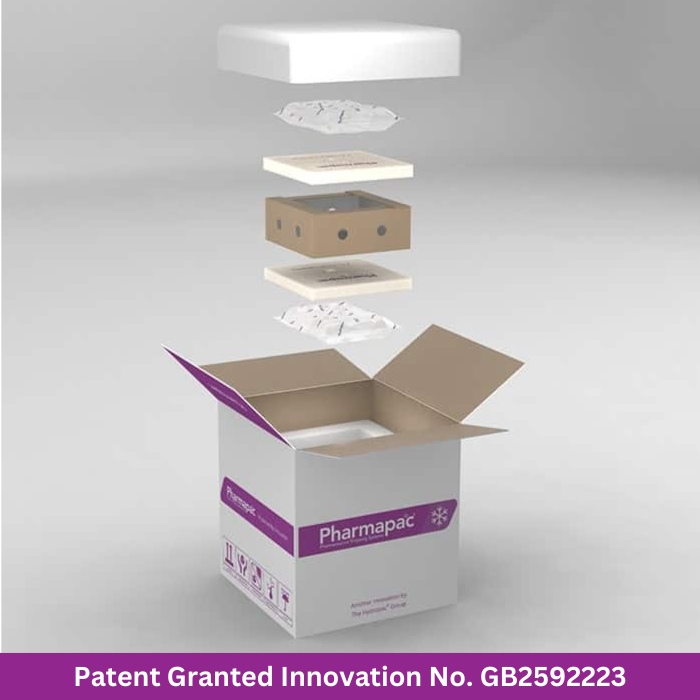
This is where passive packaging becomes part of the logistics control strategy. Insulation, coolant, payload separation and pack-out instructions must work together to manage heat transfer during the parts of the journey that are hardest to control. If the system is not aligned to the route, even a well-managed logistics process can become vulnerable to temperature deviation.
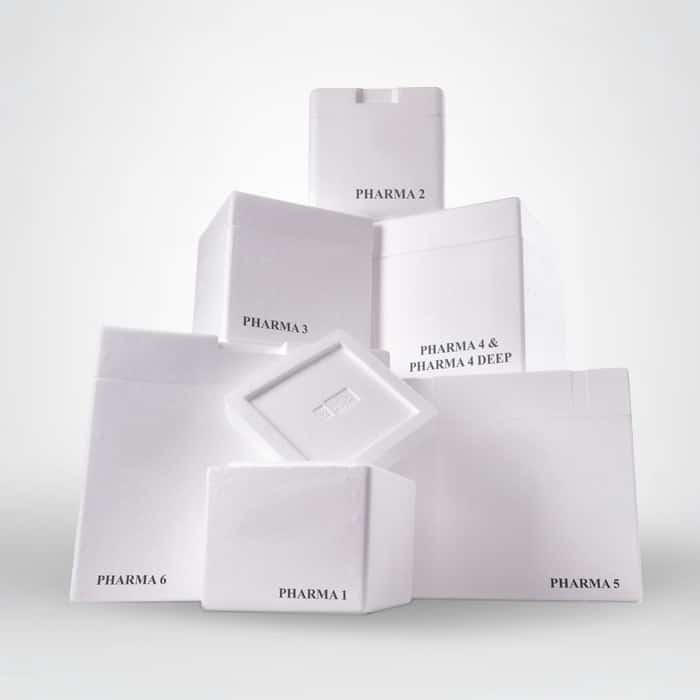
Hydropac helps customers assess packaging as part of the wider cold chain. For some pharma logistics operations, a standard PharmaPac box and coolant configuration may be suitable. For others, a pre-qualified system, lane review or validation-led pack-out may be needed to match the product, route and operational risk.
Pharma Cold Chain Logistics Depends on Control Between Controlled Environments
Pharma cold chain logistics is often planned around controlled spaces: refrigerated storage, warehouse procedures, vehicle capability and delivery schedules. In practice, much of the risk appears in the gaps between those controlled points.
Products may sit at a packing bench before they are sealed. They may wait in a staging area before collection. They may pass through depots, vehicles, loading bays or final-mile delivery routes where conditions are less predictable. The packaging has to protect the product through these transitions.
That is why pharmaceutical cold chain packaging should be considered as part of the logistics strategy. It is not simply a container for transport. It is the part of the cold chain that remains with the payload across every handover, dwell point and route variation.
For Hydropac, the focus is on passive cold-chain systems that support real logistics operations. The right system has to be practical for the warehouse team, suitable for the route and appropriate for the product’s temperature sensitivity.
Packaging the Route, Not Just the Product
No two pharma logistics operations work in exactly the same way. Even when products appear similar, the route, order profile and handling process can create very different packaging requirements.
A same-day healthcare replenishment route does not behave like a next-day courier lane. A small biologic shipment does not behave like a larger payload with more thermal mass. A routine distribution flow may not need the same evidence level as a high-value clinical or regulatory-critical movement.
Route variables that affect packaging performance
Before selecting the packaging system, the logistics process should be reviewed around practical variables such as:
- required product temperature conditions;
- payload size, weight and thermal mass;
- order profile and shipment frequency;
- time outside controlled storage before dispatch;
- courier, parcel, pallet or controlled transport method;
- depot handling and number of handovers;
- route duration and delivery uncertainty;
- seasonal ambient exposure;
- coolant conditioning and freezer capacity;
- monitoring, testing or validation requirements.
These details determine whether a standard pack-out is enough or whether a more structured review is needed. Hydropac’s Cold Chain Optimisation support is relevant here because it looks at packaging performance, operational process and cost drivers together, rather than treating the packaging as a standalone product.
Passive Packaging, Active Decision-Making
Passive cold-chain packaging uses insulation and coolants to manage internal conditions without powered refrigeration. In pharma logistics, this can be highly effective when the system is matched to the route and packed consistently.
The decision is not simply whether passive or active is “better”. The better question is: what level of control does the product and route actually need?
Passive systems can be appropriate where the shipment profile is understood, the pack-out is repeatable and the route risk can be managed through the right combination of insulation, coolant and payload protection. Active systems may be more suitable where routes are longer, risk is higher, temperature conditions are more complex or powered control is required as part of the logistics model.
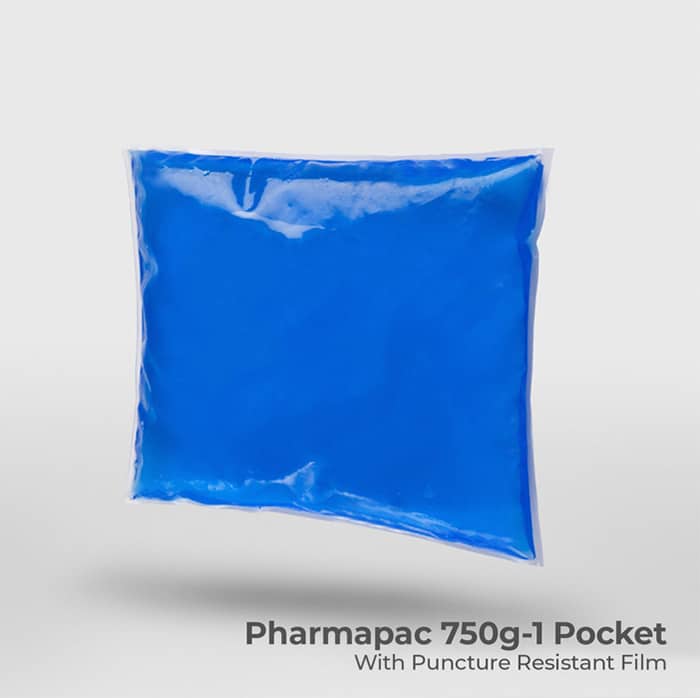
Hydropac’s role is focused on the passive packaging side of that decision. PharmaPac gel packs, insulated boxes and pre-qualified systems can support pharmaceutical logistics where the packaging needs to travel through courier, parcel or controlled distribution networks without relying on powered refrigeration.
For a deeper comparison, the supporting article Passive vs Active Systems in Pharmaceutical Logistics should explain where passive packaging fits, where active systems may be needed and how to avoid over-specifying a logistics solution that adds cost without adding control.
Reducing Temperature Excursions at Logistics Hand-Offs
Temperature excursions are often linked to the small operational details that happen around handovers. A shipment may be packed correctly but wait too long before collection. A coolant may be frozen but not conditioned correctly. A payload may be placed too close to the cooling element. A courier delay may extend the time the system has to perform.
This is why pharma cold chain logistics needs clear pack-out control. The packaging should be simple enough for operators to repeat, robust enough for the route and specific enough for the product. A technically strong solution can still fail if it relies on informal judgement or inconsistent handling.
Process details that need to be defined
A reliable pharma logistics pack-out should make clear:
- how coolants are prepared before packing;
- where each coolant is placed;
- how the payload is separated from direct coolant contact;
- how empty space is managed inside the box;
- how long the packed system can remain before handover;
- when a logger, test profile or validation step is required.
For vaccines and other refrigerated healthcare payloads, this becomes especially important because logistics risk is not only about warming. Poor coolant placement or aggressive cooling can also create cold shock or local freezing risk. The Vaccine Cold Chain Packaging page can go deeper into vaccine-specific risk.
Supporting Different Pharma Logistics Models
Pharma cold chain logistics does not always mean large-scale distribution. Some operations move regular healthcare stock through repeatable routes. Others handle smaller, high-value or time-sensitive shipments where every movement carries more operational pressure.
For routine distribution, the priority may be scalable pack-out, cost control and consistent operator handling. For high-value clinical movements, the priority may be documentation, risk reduction and confidence in a specific payload configuration. For diagnostic or healthcare sample movements, packaging may need to support practical courier handling while still protecting the integrity of temperature-sensitive materials.
This is why the packaging system should match the logistics model. A high-volume replenishment flow may need simplicity and speed. A specialist shipment may justify a more controlled pack-out or stronger supporting evidence. A courier network may require different packaging decisions from a palletised or temperature-controlled route.
For lower-volume, higher-value movements, Clinical Trial Shipping should address the specific demands of trial materials, investigational products and clinical supply processes. For sample movements, Medical Specimen Shipping should focus on courier-ready packaging, sample integrity and practical handling requirements.
Building a Logistics Packaging System That Can Scale
A pharma cold chain logistics system has to work beyond the first shipment. It needs to be repeatable across shifts, clear for operators and suitable for the way the business actually fulfils orders.
That means the packaging decision should start with the route and work backwards. What product is being shipped? What conditions does it require? How much payload is inside the pack? How long is it outside controlled storage? Who packs it? How is it handed over? What happens if collection is delayed?
Once those questions are understood, the packaging can be configured more intelligently. In some cases, this may mean a standard PharmaPac component set. In others, it may mean a pre-qualified system such as PharmaPac Genesis, a modified pack-out or a more detailed cold-chain optimisation project.
Hydropac supports this process as a UK manufacturer and passive cold-chain packaging partner. The aim is not to make every package heavier, colder or more complex. The aim is to build a practical packaging system that supports pharmaceutical logistics with the right balance of thermal protection, operational repeatability, cost control and evidence-led performance.
Contact us directly
We are ready to answer all your questions and help you find the perfect solution for your cold chain transport.
From issue to a customised cooling solution
In this way we help you to guarantee the quality and safety of food products under all circumstances.
Mass production
Transport
End user
FAQ’s about Pharma Cold Chain Logistics
What is pharma cold chain logistics?
Pharma cold chain logistics is the storage, handling and transport of temperature-sensitive pharmaceutical, healthcare and clinical products under controlled conditions. It can include refrigerated storage, courier movement, depot handling, monitoring, documentation and packaging systems that help protect the product throughout the journey.
Does Hydropac provide pharma logistics services?
Hydropac supplies passive cold-chain packaging systems, coolants, insulated boxes and cold-chain optimisation support. Hydropac should not be positioned as a refrigerated courier, transport fleet or logistics carrier. Its packaging can support pharma logistics operations, but the transport service itself is handled by the customer, courier or logistics provider.
How does packaging support pharma cold chain logistics?
Packaging supports pharma cold chain logistics by protecting the product during the parts of the journey where external conditions are harder to control. A suitable system combines insulation, coolant, payload separation and clear pack-out instructions to help manage temperature risk during packing, staging, handover, transit and delivery.
Should pharma logistics use passive or active cold chain systems?
The right choice depends on the product, route, temperature requirement, duration, payload value and level of control required. Passive systems use insulation and coolants without powered refrigeration and can be effective when correctly configured. Active systems may be needed for longer, higher-risk or more complex logistics routes where powered temperature control is required.
What causes temperature excursions in pharma cold chain logistics?
Temperature excursions can be caused by incorrect coolant conditioning, poor payload separation, excessive time outside controlled storage, route delays, depot dwell time, seasonal ambient exposure or inconsistent pack-out. The packaging system should be selected around the real logistics process, not just the planned delivery time.
— Related articles —
 Pharmaceutical Shipping
 Pharmaceutical & Hazardous Goods Shipping Labels
 Pharmaceutical Shipping
 Why medication shortages happen and how they affect patients
 Eco Friendly