
Trusted by leading companies
Clinical Trial Shipping
Cold-chain packaging for temperature-sensitive trial materials, IMPs, biologics and clinical samples
— Built for Trial Material Protection, Pack-Out Control and Temperature Risk Reduction —
Cold Chain Packaging for Clinical Trial Shipments Where Every Movement Matters
Clinical trial shipping often involves lower shipment volumes than commercial pharmaceutical distribution, but the value and risk of each consignment can be significantly higher. Investigational medicinal products, biologics, trial kits, diagnostic samples and other temperature-sensitive clinical materials may need to move between manufacturers, depots, trial sites, laboratories, pharmacies or participant-facing services without avoidable temperature deviation.
In these movements, packaging is not just a transport container. It is part of the risk control process. The system has to protect the payload during packing, staging, courier handover, transit and delivery, while remaining practical enough for operators to pack correctly and repeat consistently.
Discover Clinical Trial Shipping Solutions
Clinical trial shipping requires packaging that is practical, repeatable and appropriate for the sensitivity of the trial material. Explore Hydropac solutions designed to support temperature-sensitive clinical, pharmaceutical and healthcare shipments through real distribution conditions.


A Risk-Led Approach to Clinical Trial Packaging
Clinical Trial Shipments Need Packaging That Is Repeatable, Not Just Insulated
Clinical trial shipments can be complex because the payload is often high value, time-sensitive and difficult to replace. A small number of shipments may carry significant operational importance, especially where trial timelines, site activity, sample stability or investigational product availability are affected.
This makes pack-out repeatability essential. The packaging system must be simple enough for trained teams to assemble consistently, while still providing the thermal protection needed for the route. Insulation, coolant conditioning, payload separation, box size, staging time and courier handling all influence how the shipment behaves once it leaves a controlled environment.
Hydropac helps customers assess clinical trial packaging as a complete passive system. For some shipments, standard PharmaPac components may be suitable as part of a confirmed pack-out. For others, a pre-qualified system, thermal review or validation-led packaging approach may be needed to match the payload, route and risk profile.
Clinical Trial Shipping Built Around Product and Study Risk
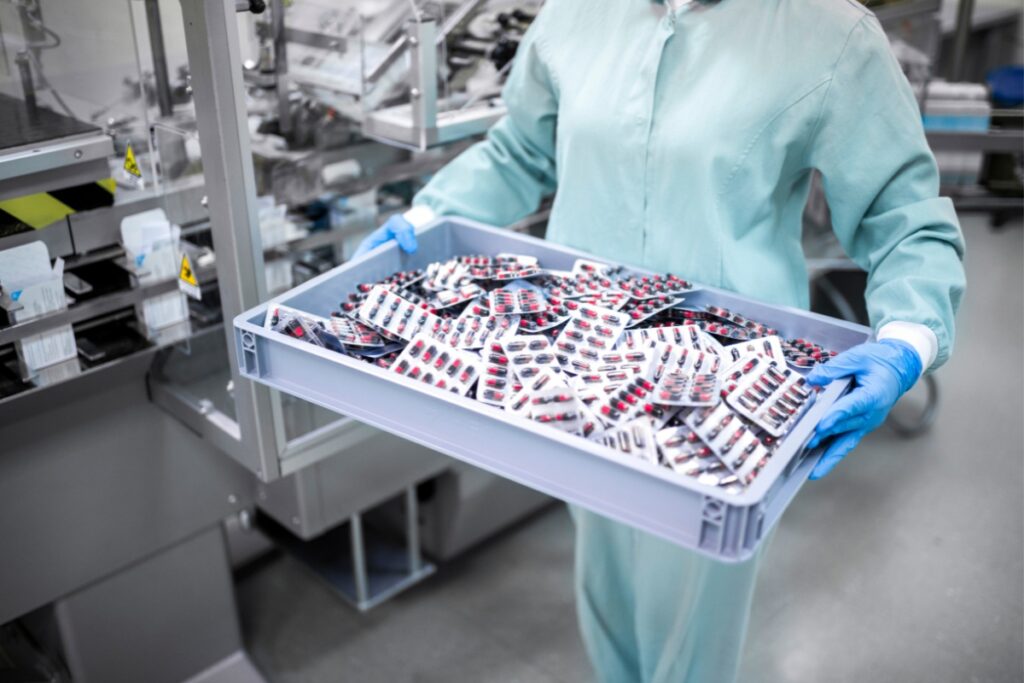
Clinical trial shipping is often lower in volume than commercial pharmaceutical distribution, but the consequence of failure can be much higher. A single shipment may contain investigational medicinal products, comparator medicines, biologics, trial kits or other clinical materials that are difficult to replace and directly linked to study timelines.
This changes how packaging should be selected. The objective is not only to keep a payload within its required temperature conditions for a planned delivery window. The packaging system also needs to support protocol requirements, route profile, pack-out process, monitoring needs and the level of evidence required for the study.
For sponsors, CROs and clinical supply teams, the packaging decision should be treated as part of the wider trial risk-control process. A suitable system helps protect product integrity, reduce avoidable temperature risk and support confidence that the shipment can be assessed if a deviation is suspected.
For broader context, this sits within Pharmaceutical Cold Chain Packaging, where the full passive system is selected around product sensitivity, route exposure and real operating conditions.
Packaging That Supports Protocol-Led Clinical Supply
Clinical trial logistics are shaped by the study protocol, product handling instructions and the way materials move between manufacturers, depots, trial sites, pharmacies, laboratories and patient-facing services. The packaging system has to work within that operational structure.
A clinical trial pack-out should reflect:
- the product’s required temperature conditions;
- protocol-specific handling instructions;
- IMP, comparator medicine or biologic sensitivity;
- depot-to-site, site-to-lab or site-to-patient movement;
- route duration and handover points;
- staging time before courier collection;
- temperature monitoring or logger requirements;
- documentation and deviation investigation needs;
- operator training and pack-out repeatability.
This makes clinical trial shipping different from routine cold-chain distribution. The shipment may be small, but its importance to the study can be high. If the packaging process is unclear, difficult to repeat or poorly matched to the route, the risk is not just a delayed parcel. It may affect site readiness, dosing schedules or clinical supply continuity.
Protecting IMPs, Comparator Medicines and Biologics
Clinical trial shipping can involve several types of temperature-sensitive materials. Investigational medicinal products may have defined storage and handling requirements. Comparator medicines may need to be managed consistently with study procedures. Biologics may be sensitive to both heat gain and excessive cold exposure.
Each payload type can behave differently inside a passive packaging system. A small clinical supply payload may have limited thermal mass and respond quickly to external temperature change. A biologic may need careful separation from frozen coolants to avoid localised overcooling. A trial kit may need packaging that supports labelling, handling and dispatch as well as thermal performance.
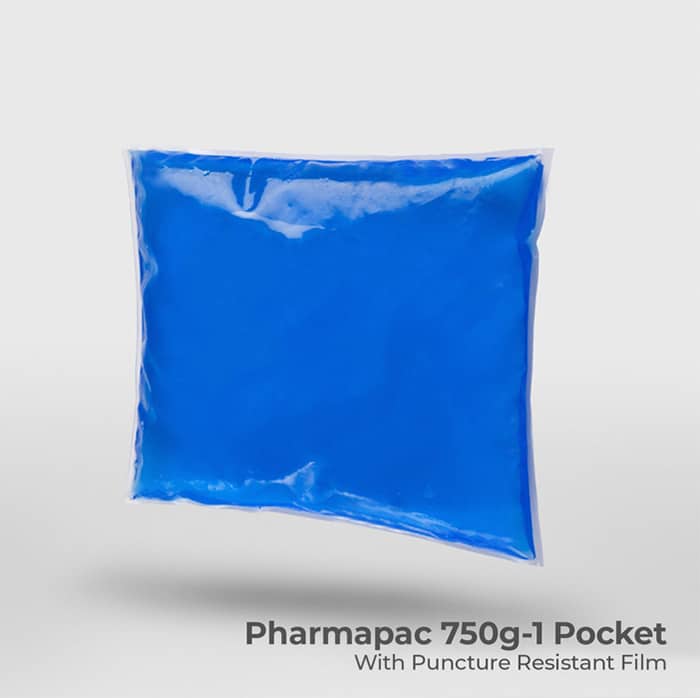
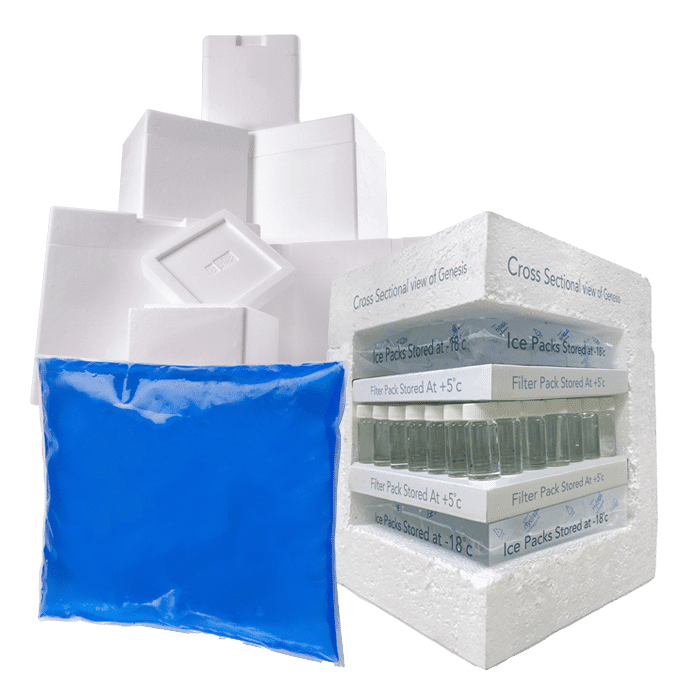
Hydropac’s PharmaPac range is designed for pharmaceutical and healthcare cold-chain applications, including temperature-sensitive medicines, vaccines, biologics and clinical materials. Where clinical trial shipments involve refrigerated healthcare payloads, PharmaPac gel packs, insulated boxes or a pre-qualified system such as PharmaPac Genesis may be considered as part of a confirmed pack-out.
For refrigerated materials where cold shock or localised freezing is a concern, Vaccine Cold Chain Packaging provides a useful related route because many of the same principles apply: controlled coolant use, payload separation, thermal buffering and repeatable packing instructions.
Temperature Risk Management for Trial Continuity
Temperature control in clinical trial shipping is not only a product-quality issue. It can affect whether a trial site can use the material when it arrives. If an investigational medicinal product, biologic, comparator medicine or time-sensitive clinical kit moves outside its required conditions, the shipment may need to be quarantined, investigated or replaced before it can be released for use.
That creates pressure beyond the individual parcel. A temperature excursion can affect site readiness, dosing windows, patient appointments, resupply schedules and clinical supply planning. For sponsors, CROs and clinical supply teams, packaging therefore has to support both thermal protection and operational confidence.
A clinical trial packaging system should be reviewed against the way the study actually operates.
Protocol and product requirements
The pack-out should reflect the product’s required temperature conditions, allowable excursion limits and handling instructions for the study material.
Site and depot workflows
Clinical trial shipments may move from manufacturer to depot, depot to site, site to laboratory or site to patient-facing services. Each movement can create different timing, handover and storage conditions.
Replacement difficulty
Trial materials are often harder to replace than standard stock. Where supply is limited, patient-specific, blinded or time-sensitive, the packaging system may need a stronger evidence base.
Monitoring and investigation needs
Temperature loggers, shipment records and documented pack-out instructions can help clinical teams assess a shipment if a deviation is suspected.
The existing Hydropac article Clinical Trial Shipping and Temperature Risk Management is the natural supporting resource here, because it can go deeper into how temperature risk affects clinical supply, product usability and shipment decision-making.
Passive Packaging for Clinical Trial Supply Chains
Passive packaging can be a practical choice for many clinical trial shipping applications when the system is correctly configured. It uses insulation and coolants rather than powered refrigeration, which can support courier, parcel and controlled distribution movements where the route and payload requirements are understood.
The decision should not be based on passive versus active in isolation. It should be based on the level of control the trial material requires.
For some clinical routes, PharmaPac gel packs and insulated polystyrene boxes may be suitable as part of a confirmed pack-out. For more sensitive, repeated or higher-risk shipments, a pre-qualified passive system or bespoke packaging review may provide greater confidence.
More complex movements may require active systems or specialist logistics models, particularly where the route, duration, payload value or temperature requirement demands powered temperature control. The existing Hydropac article Passive vs Active Systems in Pharmaceutical Logistics supports this decision by comparing how different cold-chain approaches fit different product and route risks.
Repeatable Pack-Outs Across Sites, Depots and CRO Workflows
Clinical trial packaging has to work in real operating conditions, not only in a test or pilot. A pack-out that performs once can still create risk if it is difficult to repeat across different operators, shifts, depots, trial sites or laboratories.
This is why repeatability matters. A strong clinical trial pack-out should be easy to train, easy to follow and easy to review if a shipment needs investigation later.
What a repeatable trial pack-out should control
- Which insulated packaging format is used;
- how many coolants are required;
- how coolants are conditioned;
- where the payload sits;
- how payload separation is maintained;
- how the box is closed;
- when temperature monitoring is used;
- what evidence is needed for the route.
For sponsors, CROs, clinical supply teams and laboratories, this supports operational confidence. The packaging system becomes less dependent on judgement and more aligned with documented process control.
Hydropac’s Cold Chain Optimisation support can help customers review existing clinical trial pack-outs, identify performance risks and refine systems around route conditions, payload sensitivity and practical implementation.
Contact us directly
We are ready to answer all your questions and help you find the perfect solution for your cold chain transport.
From issue to a customised cooling solution
In this way we help you to guarantee the quality and safety of food products under all circumstances.
Mass production
Transport
End user
FAQ’s about Clinical Trial Shipping
What is clinical trial shipping?
Clinical trial shipping is the movement of trial-related materials such as investigational medicinal products, biologics, trial kits, samples or clinical materials between manufacturers, depots, trial sites, laboratories, pharmacies or participant-facing services. Where those materials are temperature-sensitive, the packaging system needs to support the required conditions during handling and transport.
What packaging is needed for temperature-sensitive clinical trial materials?
The right packaging depends on the material, required temperature conditions, payload size, route profile, handling process and level of evidence required. Some shipments may be suitable for a confirmed PharmaPac gel pack and insulated box configuration, while higher-risk shipments may need a pre-qualified system, thermal review or validation-led pack-out.
Can passive packaging be used for clinical trial shipping?
Passive packaging can be used for many clinical trial shipping applications when the system is correctly configured. It uses insulation and coolants rather than powered refrigeration. Suitability depends on the product, route, duration, ambient conditions, pack-out process and any monitoring or validation requirements.
How can packaging reduce temperature excursion risk in clinical trials?
Packaging can help reduce temperature excursion risk by combining suitable insulation, correctly conditioned coolants, payload separation and repeatable pack-out instructions. For higher-risk clinical shipments, testing, monitoring or validation may be needed to confirm that the system is appropriate for the route and payload.
Does Hydropac provide clinical trial courier services?
Hydropac supplies passive cold-chain packaging systems, coolants, insulated boxes and cold-chain optimisation support. We are no clinical trial courier or logistics carrier. Our packaging can support clinical trial shipping operations, but transport is handled by the customer, courier or logistics provider.
— Related articles —
 Packaging
 How to protect Pharma shipment products from theft
 Pharmaceutical Shipping
 Cold storage for pharmaceuticals
 Pharmaceutical Shipping