
Why medication shortages happen and how they affect patients
Across the UK and Europe, pharmacies and hospitals are facing growing challenges in maintaining a reliable supply of essential medicines. Production issues, complex global supply chains and regulatory pressures have all contributed to persistent shortages, with serious consequences for patients who depend on consistent treatment. Beyond the well-known causes such as shortages of raw materials or sudden increases in demand, one often-overlooked factor is the integrity of the cold chain itself. Temperature fluctuations during transport can make products unusable, adding to supply problems and putting extra pressure on already fragile systems.
As a UK manufacturer of temperature-controlled packaging, Hydropac plays an important role in supporting pharmaceutical logistics. Through precision-engineered systems such as PharmaPac and carefully tested ice packs, Hydropac helps maintain the quality of temperature-sensitive medicines from production to patient, reducing waste and ensuring that treatments arrive safely.
Custom chilled solutions for you
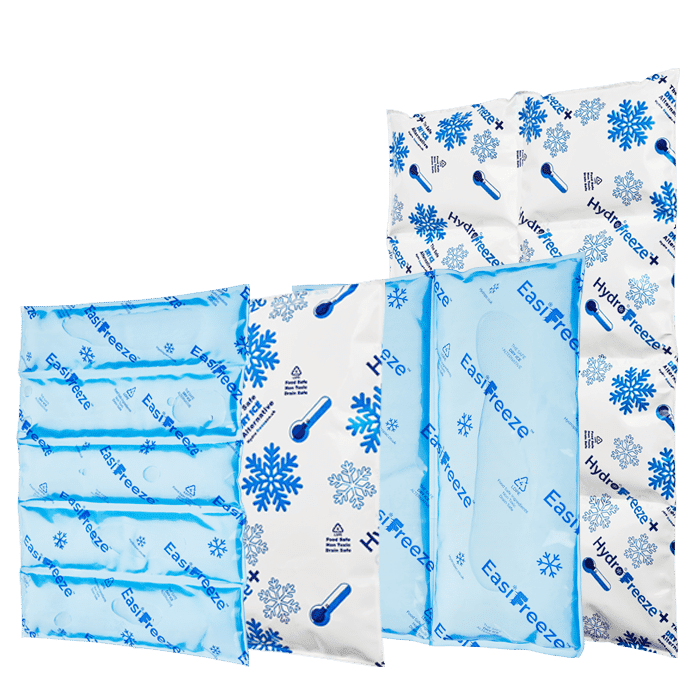
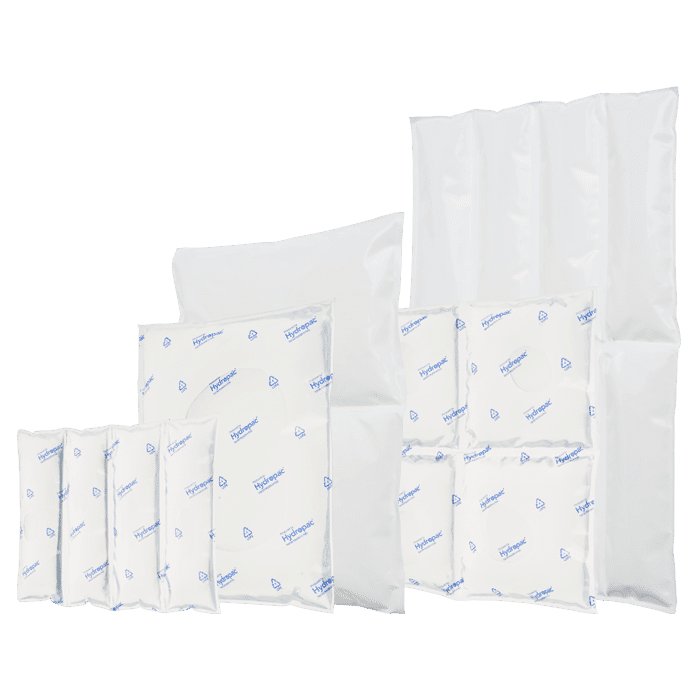
Hydropac offers every customer a customized solution for chilled and conditioned shipping. For example, we help a customer with limited freezing capacity to deliver gel packs frozen and ready to use, and we can manufacture almost all shapes and sizes of cooling elements. As a customer, you come first: we are here to help you.
Understanding the Causes of Medicine Shortages
Medicine shortages are a complex issue driven by a mix of manufacturing, regulatory and logistical challenges. In recent years, globalisation has made supply chains longer and more fragile. A disruption in one part of the world, such as a shortage of raw materials, factory shutdowns, or geopolitical tension can quickly ripple through to the UK healthcare system.
Within the United Kingdom, the Department of Health and Social Care (DHSC) and the Medicines and Healthcare products Regulatory Agency (MHRA) coordinate responses through Serious Shortage Protocols (SSPs). These allow pharmacists to make temporary adjustments, such as substituting different strengths or formulations, when certain drugs are unavailable. While these mechanisms help in the short term, they do not address the deeper vulnerabilities within pharmaceutical production and distribution.
The Hidden Link Between Cold Chain Integrity and Supply
Although manufacturing and regulation receive most of the attention, temperature control throughout the supply chain is just as critical. Many modern medicines, including vaccines, biologics and insulin, must be transported and stored between 2°C and 8°C. Even brief exposure to temperatures outside this range can degrade their efficacy, leading to product loss or recalls.
Cold chain breaches are a silent contributor to shortages. When products must be discarded due to temperature excursions, the available national stock instantly decreases. Reliable, validated packaging is therefore essential to protect these sensitive products, especially in last-mile distribution or during long international transit.
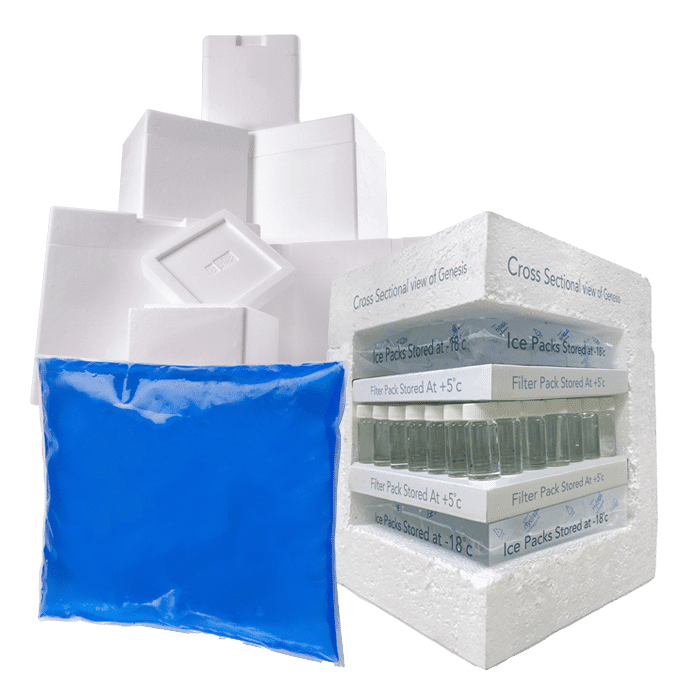
Hydropac’s PharmaPac systems are designed precisely for this challenge. Each component, from insulation materials to gel or water-based ice packs, is rigorously tested to maintain temperature stability for up to 96 hours. This performance ensures that temperature-sensitive medicines arrive intact, reducing wastage and helping to stabilise supply continuity.
Packaging Standards and Regulatory Requirements
Good Distribution Practice (GDP) guidelines in both the UK and EU set strict standards for the handling of medicinal products. These include temperature monitoring, validation of packaging performance and documentation of any deviation. For pharmaceutical logistics providers, meeting these standards requires proven packaging systems and consistent quality controls.
Hydropac manufactures all products in its UK facility under ISO 9001-certified processes, using technologies such as seal through liquid production that prevents leakage and contamination. Each production run is microbiologically tested, ensuring that packaging used for pharmaceutical or healthcare purposes meets the highest safety criteria.
By integrating these quality controls into packaging design, Hydropac supports GDP compliance without burdening the logistics process. The result is packaging that performs reliably across seasonal variations and transportation conditions, safeguarding both product integrity and patient safety.
The Human Impact of Shortages
For patients, the consequences of medicine shortages are immediate and personal. Delays in treatment, the need to switch to less familiar alternatives, and the anxiety of uncertainty can have a profound effect on wellbeing. Healthcare providers also face added administrative pressure to source alternatives and manage patient expectations.
By preventing temperature-related waste, cold chain packaging solutions indirectly protect patients from these stresses. Every shipment that remains within specification contributes to the overall resilience of the healthcare system.
Sustainable Solutions for a Resilient Future
Sustainability and reliability no longer stand in opposition. Hydropac has demonstrated that it is possible to produce recyclable, eco-friendly packaging without compromising performance. Nearly all Hydropac products are 100 percent recyclable, with lines such as RecycleAir and ReflectiveAir providing high insulation efficiency while reducing environmental impact.
In a world where both medicine availability and sustainability are under scrutiny, innovative temperature-controlled packaging can strengthen resilience across the entire cold chain. By combining technical precision, environmental responsibility and proven performance, Hydropac helps ensure that vital medicines continue to reach the patients who need them most.
More insights

Conclusion
Medicine shortages are rarely the result of a single cause. They stem from a web of global dependencies, regulatory pressures, manufacturing limits and logistical challenges. Among these, maintaining cold chain integrity is one of the most preventable sources of disruption. Every batch of temperature-sensitive medicine lost to poor handling or inadequate packaging adds strain to a system already under pressure.
By combining precision engineering, strict quality standards and sustainable materials, Hydropac supports the pharmaceutical industry in overcoming these challenges. Through solutions such as PharmaPac and their advanced ice pack technology, Hydropac helps to preserve the safety and efficacy of critical medicines throughout transport and storage.
As the healthcare sector seeks greater resilience and reliability, well-designed temperature-controlled packaging is not just a technical necessity, it is a vital safeguard for patient wellbeing and the continuity of care.