
How to Post Chocolate Without Melting
Most advice on posting chocolate stops at “add an ice pack”. It’s the reason so many chocolatiers lose parcels in spring, when the weather is mild, the pack goes in anyway and the customer opens a box of grey, gritty truffles that never came close to melting.
Chocolate doesn’t want to be cold. It wants to be stable. Most chocolate keeps best at around 15 to 18°C, starts to lose its finish once it spends time above roughly 24°C, and suffers just as badly when it is chilled hard and then meets warm air. A good chocolate parcel is designed around that narrow window, not around keeping things as cold as possible.
This guide explains what actually happens to chocolate in transit and how to build a pack-out that protects it, from the Christmas rush to an August heatwave.
Custom chilled solutions for you
Hydropac offers every customer a customized solution for chilled and conditioned shipping. For example, we help a customer with limited freezing capacity to deliver gel packs frozen and ready to use, and we can manufacture almost all shapes and sizes of cooling elements. As a customer, you come first: we are here to help you.
What Actually Goes Wrong in the Parcel
A melted bar is the obvious failure, and the least common one. A lot of chocolate that disappoints on arrival is still solid. It has simply lost the gloss, snap and texture that the customer paid for, and the cause is almost always one of four things.
Heat and fat bloom
Cocoa butter can set in several crystal forms, and tempering is the process of locking it into the stable one that melts at roughly 30 to 34°C. That form is what gives good chocolate its shine and clean snap. When the chocolate warms enough for some of that structure to soften and then sets again without control, cocoa butter migrates to the surface and recrystallises as pale streaks. That’s fat bloom. It’s harmless to eat, but to a customer it looks like old stock.
Swings rather than peaks
A parcel rarely sees one temperature. It sits on a warm packing bench, travels in an unrefrigerated van, waits in a cooler depot, then goes back into a van that has been in the sun since lunchtime. Each warming and cooling cycle gives the cocoa butter another chance to move. A parcel that never got particularly hot can still arrive bloomed because it was warmed and cooled three or four times on the way.
Cold shock and sugar bloom
This is the failure chocolatiers cause themselves. A frozen pack placed directly against the product drags one face of it far below room temperature. When the parcel is opened, moisture in the air condenses on that cold surface, dissolves a little of the sugar and leaves it behind as a dry, white, gritty film when it evaporates. Unlike fat bloom, sugar bloom can’t be rubbed away. It’s the reason “add an ice pack” isn’t, on its own, good advice.
Humidity and the unboxing
Damp air does the same job as condensation, more slowly. Chocolate that isn’t sealed before it goes into the parcel takes on moisture from the packaging, from a melting pack or from the air in a humid depot. Airtight wrapping is the cheapest protection in the whole pack-out, and the one most often skipped.

Building a Chocolate Pack-Out That Holds
The aim is to keep the product inside its comfortable range for the whole journey and to change its temperature slowly when it does change. That comes down to six decisions.
1. Seal the chocolate first
Wrap every bar, box or bag of chocolate airtight before it goes anywhere near insulation or coolant. Foil or a sealed inner bag keeps moisture off the surface and buys time if anything in the parcel gets damp. It also protects the product from picking up odours from other packaging.
2. Insulate the product, not just the box
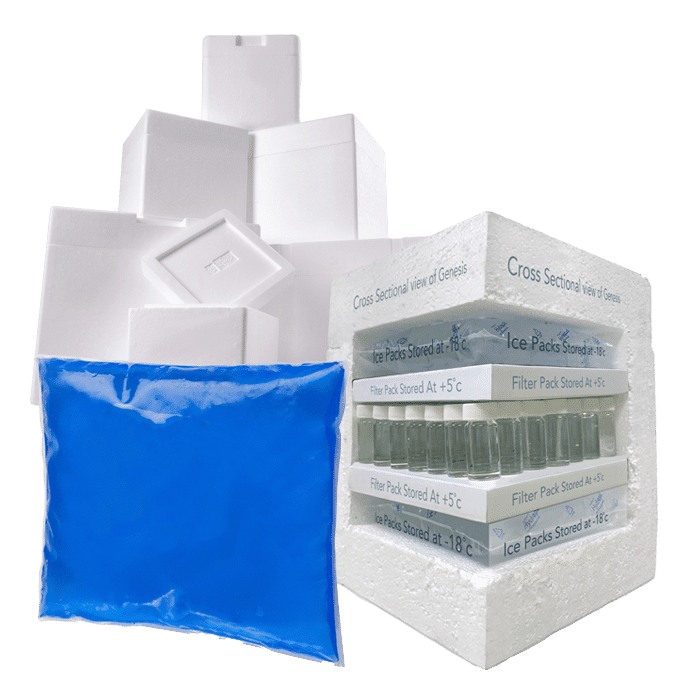
Insulation doesn’t cool anything. It slows the rate at which outside heat reaches the product, which is exactly what chocolate needs. For bars and small gift boxes, an insulated postal pocket such as our Wool Thermal Postal Pockets or High Performance Thermal Postal Pockets wraps the product in an insulating layer and seals with a self-adhesive strip. Larger orders need an insulated box or liner sized so the product fills it, because empty air inside a parcel is air the heat can work on.
3. Add coolant only when the season asks for it
In winter and much of autumn, good insulation and a next-day service are often all a chocolate parcel needs. A coolant earns its place when the temperature outside the parcel is likely to push the product past its comfortable range for longer than the insulation can hold. That threshold is different for a solid bar and a filled truffle, and different again for a postal pocket and an insulated box, which is why it is worth setting per product rather than by calendar month.
4. Keep the pack away from the chocolate
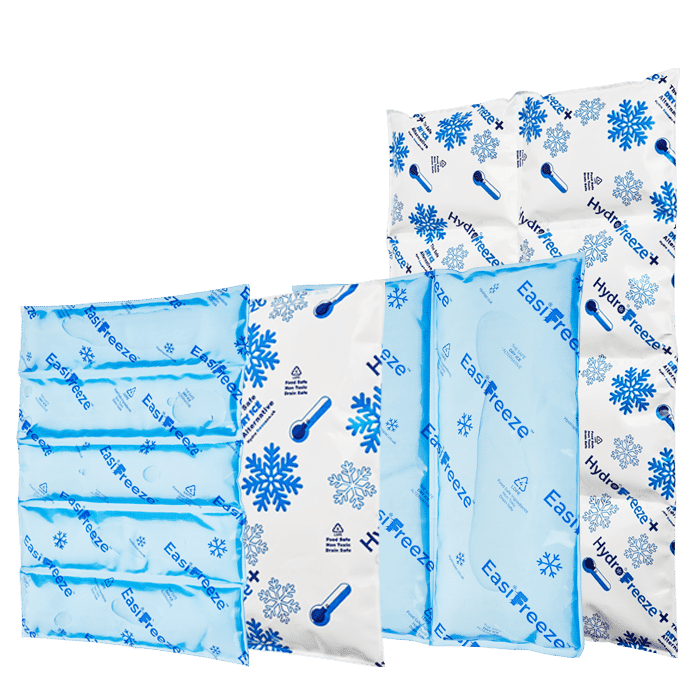
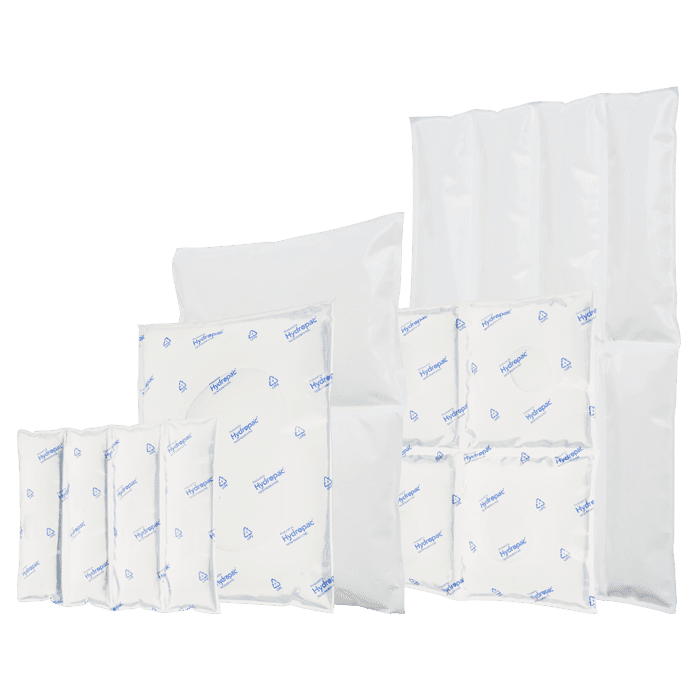
Any frozen coolant sits far colder than chocolate wants. Used correctly it cools the air in the parcel; used badly it chills one face of the product and sets up sugar bloom. Put a barrier between the pack and the chocolate, such as a corrugated card or a padded layer, and position the pack above the product, because warm air collects at the top of a parcel. Two small packs cool more evenly than one large one; our 275g Water Ice Pack is sized for postal pockets and small boxes. Carrier rules on what can be used as a coolant differ by service, so check yours before adding packs to postal despatches.
5. Choose the service and the despatch day
The pack-out only has to last as long as the journey, so the journey is part of the specification. Use a tracked next-day service, despatch from Monday to Wednesday so a failed delivery doesn’t leave the parcel in a depot over the weekend, and keep the product in a cool room until the moment it is packed. A bar that starts the journey at 25°C on a summer packing bench has already used up most of its margin. At Christmas, allow an extra day for depot backlogs, and suggest customers let the parcel come up to room temperature before they open it, so a cold bar meeting a warm kitchen doesn’t turn into sugar bloom.
6. Plan Christmas, Easter and summer as separate pack-outs
Chocolate has three awkward peaks. Christmas brings the year’s biggest volumes, cold doorsteps and busy depots; Easter falls in unpredictable spring weather; and summer now regularly brings UK heatwaves above 30°C. Rather than stretching one configuration across the year, run a winter pack-out built on insulation and airtight sealing, a warm-month pack-out with insulation and a small coolant, and a heatwave plan that changes despatch days as well as packaging. Our guide to seasonal pack-outs explains how to manage the changeover.
When to Ask for a Tested Pack-Out
If chocolate returns are creeping up, or you’re about to move from a handful of parcels a week to a proper online operation, guessing gets expensive. Hydropac supplies chocolate shipping packaging from insulated postal pockets to boxed systems, and our Cold Chain Optimisation team can assess your current packaging, run it against your actual route and recommend the lightest pack-out that still protects the finish. Samples of our postal pockets are available from the sample store.