
Trusted by leading companies
Chocolate shipping packaging
- Insulation-led pack-outs for chocolate
- Wool and thermal postal pockets
- Pack-outs for Christmas and every season
Chocolate shipping packaging that protects the finish
Chocolate is one of the least forgiving things you can put in the post. It doesn’t need to be cold, it needs to be stable. Most chocolate keeps best at around 15 to 18°C, starts to lose its finish once it spends time above roughly 24°C, and picks up sugar bloom when cold chocolate meets warm, damp air. A parcel that arrives soft, streaked or grey costs you the order and usually the customer.
Hydropac builds chocolate pack-outs around that window. We start with insulation that slows heat gain, add coolant only when the season calls for it, and keep the coolant away from the product so it cools the air in the parcel rather than shocking the chocolate. Whether you post bars, boxed truffles or corporate gifts, we can match the pack-out to your products and your courier.
Discover Chocolate shipping packaging
Insulated postal pockets for bars and boxed chocolates, small ice packs for warm-weather despatch, and larger insulated systems for gift boxes and wholesale orders.


Why chocolate fails in transit
Three things go wrong, and only one of them is melting. Heat softens the cocoa butter, and when it sets again without control it rises to the surface as fat bloom: pale streaks on a bar that left you glossy. Temperature swings do the same damage more slowly, which is why a parcel that sits in a warm van, then a cool depot, then a warm van again can arrive bloomed even if it never melted.
The third failure is the one people cause themselves: cold. Chocolate packed straight against a frozen pack chills below its dew point, and as soon as the parcel is opened the moisture in the air condenses on the surface and leaves sugar bloom behind. Good chocolate packaging protects against all three.
Insulation first, coolant second
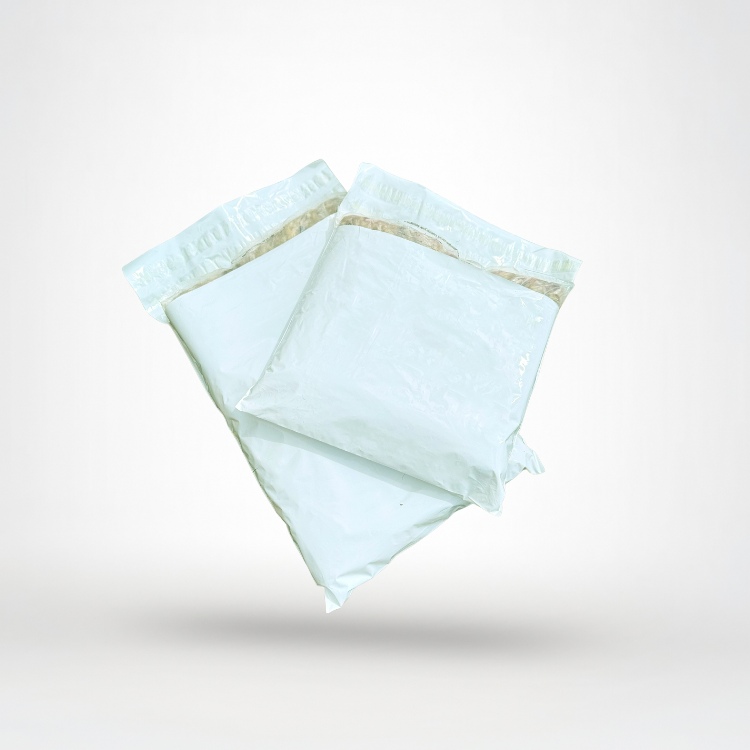
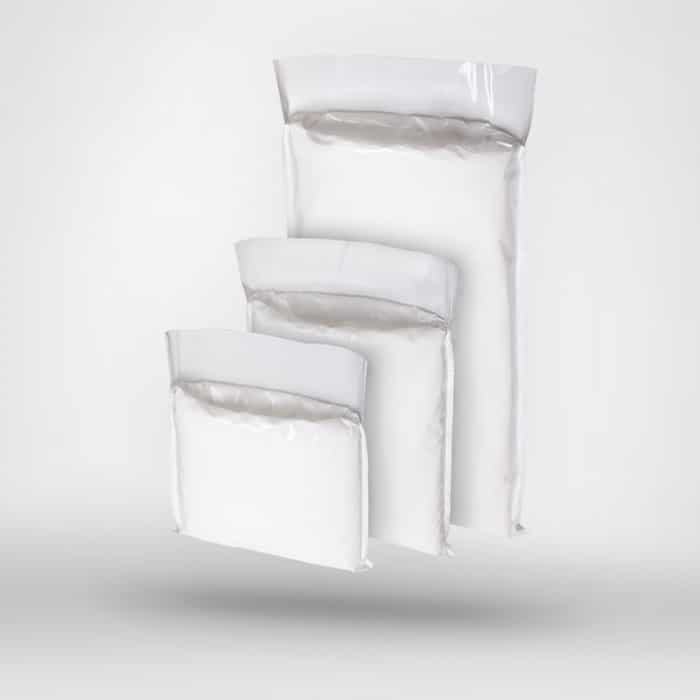
For much of the UK year the right insulation and a next-day service do most of the work. A Wool Thermal Postal Pocket or a High Performance Thermal Postal Pocket wraps the product in an insulating layer that slows the rate at which outside heat reaches it, and the self-adhesive strip seals the pocket against draughts and tampering.
Coolant comes in when the ambient outside the parcel is likely to push the product past its comfortable range for longer than the insulation can hold. That point depends on your products, your packaging and your courier, which is why we set it per customer rather than per calendar month.
Using ice packs without causing bloom
An ice pack sits around 0°C as it melts, far colder than chocolate wants to be. Used well, it cools the air inside the parcel; used badly, it chills one face of the product and sets up condensation. Wrap the chocolate airtight first, place a barrier such as a corrugated card or a padded layer between the pack and the product, and position the pack above the load where warm air collects.
Small packs work better than one large one for this, because they cool gently and evenly. Our 275g water ice pack is sized for postal pockets and small boxes. Carrier rules on coolants differ by service, so check yours before you add ice packs to postal despatches.
Christmas, winter and the rest of the year
Christmas is chocolate’s biggest week, and winter brings its own risks. Heated vans and warm depots still swing the temperature, and a parcel that spends the night on a cold doorstep before it’s carried into a warm kitchen is exactly where condensation and sugar bloom start. In winter the job is mostly insulation and airtight wrapping, and a coolant often isn’t needed at all. Allow an extra day for depot backlogs in December, and suggest customers let the parcel come up to room temperature before they open it.
Easter and summer are different pack-outs again, so treat them separately rather than stretching one configuration across the year: a winter setup built on insulation, a warm-month setup with insulation and a small coolant, and a heatwave plan that changes despatch days as well as packaging. Despatch early in the week so a missed delivery doesn’t leave a parcel in a depot over the weekend. Our guide to seasonal pack-outs explains how to plan the changeover.
Tested pack-outs and branded options
If you’re moving from a few parcels a week to a proper online operation, our Cold Chain Optimisation team can assess your current packaging, run it against your actual route and recommend the lightest pack-out that still protects the finish. Samples of our postal pockets are available from the sample store.
Wool pockets combine natural wool insulation with a recyclable outer, which suits premium and gift brands, and custom branded ice packs carry your branding inside the parcel as well as outside it.
Contact us directly
We’re ready to answer all your questions and help you find the perfect solution for your cold chain transport.
From issue to a customised cooling solution
In this way we help you to guarantee the quality and safety of food products under all circumstances.
Mass production
Transport
End user
FAQ's about Chocolate Shipping Packaging
What temperature should chocolate be shipped at?
Most chocolate keeps best at around 15 to 18°C. Problems start once it spends time above roughly 24°C, and chilling it too far causes condensation and sugar bloom when the parcel is opened. The aim is a stable temperature, not a cold one.
Do I need ice packs to post chocolate?
Not always. In cooler months good insulation and a next-day service are often enough. Add a coolant when the outside temperature is likely to push the product past its comfortable range for longer than the insulation can hold.
Will an ice pack cause bloom on my chocolate?
It can if the pack touches the product. Wrap the chocolate airtight, put a barrier between the pack and the product and place the pack above the load, so it cools the air in the parcel rather than one face of the chocolate.
What is the best packaging for posting chocolate bars?
Insulated postal pockets suit bars and small boxes. Larger gift boxes and wholesale orders are better in an insulated box or liner system with coolant sized to the load and the season.
Can you help us plan our Christmas pack-out?
Yes. We can assess your current packaging, test a configuration against your route and supply samples before you commit to volume, so your pack-out is settled before the Christmas peak.