
The biggest challenges in global supply chains for perishable goods
At Hydropac, we recognise the critical importance of protecting perishable goods as they move through increasingly complex global supply chains. As specialists in temperature-controlled packaging, we work closely with logistics providers, food manufacturers and pharmaceutical distributors to support the safe, efficient and sustainable movement of temperature-sensitive items.
However, supply chains for perishable products face growing challenges. From climate-related disruption and regulatory compliance to demand volatility and rising fuel costs, maintaining product integrity across international borders has never been more difficult. The Covid-19 pandemic and current geopolitical instability have only highlighted the fragility of global trade routes.
In this article, we explore the key issues shaping the future of perishable goods logistics, including cold chain infrastructure, risk management, and the impact of technology on supply chain visibility. We also discuss how packaging and process innovation can help build greater resilience and meet rising customer expectations in a changing world.
Custom chilled solutions for you
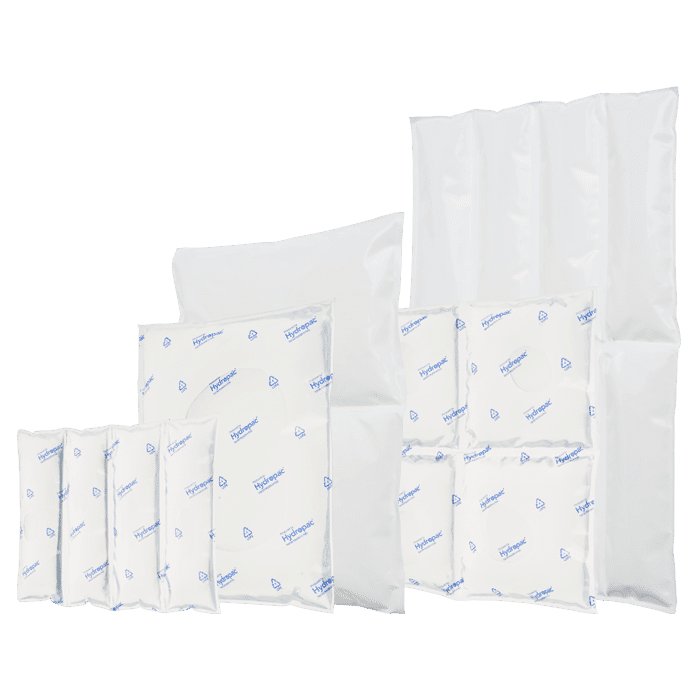
Hydropac offers every customer a customized solution for chilled and conditioned shipping. For example, we help a customer with limited freezing capacity to deliver gel packs frozen and ready to use, and we can manufacture almost all shapes and sizes of cooling elements. As a customer, you come first: we are here to help you.
Global disruption and supply chain fragility
Global supply chains have become more interconnected and interdependent, yet also more exposed to systemic risks. Events such as the Covid-19 pandemic, the war in Ukraine and extreme weather linked to climate change have disrupted production, cold chain transportation and inventory systems across entire continents.
In the case of perishable goods, even minor delays can compromise shelf life and food safety. Lockdowns, port closures and a shortage of skilled logistics personnel have all contributed to a reduction in supply chain resilience, particularly in sectors reliant on temperature-controlled environments.
These disruptions have increased the need for flexible packaging formats and insulated containers that protect goods during transit and storage, even when transport timelines shift unexpectedly.
Cold chain infrastructure and capacity issues
The effectiveness of perishable supply chains depends heavily on robust cold chain infrastructure, including refrigerated vehicles, cold storage facilities and temperature sensors that enable precision control. However, in many regions, especially emerging markets, infrastructure is underdeveloped or inconsistent.
According to the World Bank, an estimated 25% of food loss in developing countries is linked to insufficient cold chain logistics, leading to spoilage, financial loss and food insecurity.
Temperature control and the risk of failure
Maintaining stable conditions throughout the journey is essential to preventing the growth of microorganisms and chemical degradation in perishables such as dairy, meat, seafood and pharmaceutical goods. Temperature fluctuations at any point can compromise product quality and lead to large-scale wastage.
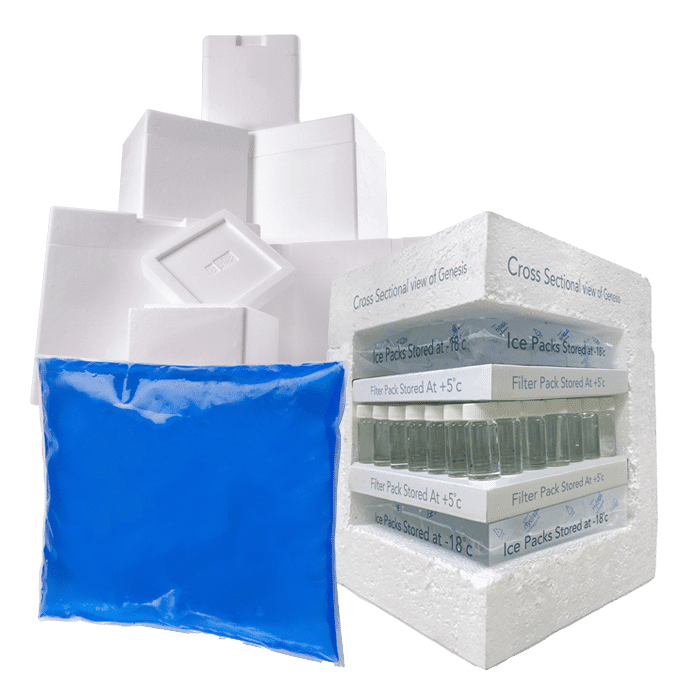
Hydropac’s insulated packaging helps mitigate this risk by offering passive thermal protection, independent of external power or refrigeration systems.
Demand forecasting and inventory planning challenges
The highly dynamic nature of the perishable supply chain requires agile planning. Demand uncertainty, seasonality and short product lifecycles make it difficult for businesses to maintain optimal inventory levels, especially during global events or trade restrictions.
Technology and predictive analytics
Advancements in machine learning, predictive analytics and IoT-enabled sensors offer new opportunities to improve forecasting accuracy and inventory decisions. These tools allow for smarter allocation of transport and storage resources, reducing food waste and minimising spoilage.
While digitalisation continues to improve supply chain visibility, adoption remains uneven, particularly among smaller producers or exporters. Hydropac’s temperature indicators and integration-ready packaging can support businesses looking to enhance traceability and data capture in real time.
Regulatory complexity across borders
As products move across regions, they are subject to different regulatory requirements, including storage temperatures, labelling standards and customs documentation. In the pharmaceutical sector, for example, compliance with Good Distribution Practice (GDP), FDA guidelines and local rules like those from the Spanish Agency for Medicines and Health Devices requires consistent validation and temperature monitoring throughout shipment.
Environmental responsibility and packaging
Tightening regulations and public pressure around sustainability also affect material choices for protective packaging. Retailers and distributors are now expected to reduce the environmental impact of their logistics, often by replacing traditional materials with sustainable packaging options.
This shift has led to growing interest in recyclable, reusable and eco-responsible thermal packaging that meets both performance and compliance standards.


Conclusion: protecting perishable goods in a changing logistics landscape
The global movement of perishable goods is increasingly shaped by disruption, regulation and consumer demand. Whether it involves food, pharmaceuticals or temperature-sensitive research materials, maintaining product quality across borders requires more than logistical coordination. It calls for cold chain resilience, investment in infrastructure, and packaging solutions that offer reliable temperature control under pressure.
At Hydropac, we support businesses in meeting these challenges through temperature controlled packaging designed to perform across complex supply chains. Our solutions help improve operational efficiency, reduce waste and support compliance with international regulatory standards, even in multimodal or time-sensitive environments.
By combining innovative packaging with deep sector knowledge, we help organisations protect quality, extend shelf life and maintain public confidence. From grocery retail to biotech, Hydropac provides packaging that supports both the product and the people who rely on it at every stage of the journey.