
0
0
Subtotal: £0.00

No products in the cart.

No products in the cart.

Trusted by leading companies

Temperature controlled shipping

Maintaining temperature integrity across real-world distribution networks

— Built for Performance, Compliance and Cost Control —

Shipping Conditions Define Cold Chain Performance

Temperature controlled shipping is where most cold chain failures occur. Once a shipment leaves the warehouse, it is exposed to variable ambient temperatures, multiple handling stages and unpredictable transit times.

In parcel and pallet distribution networks, these factors create cumulative thermal stress. Even short delays or extended dwell times can reduce the effective performance window of a packaging system, increasing the risk of temperature deviation.

Maintaining temperature during shipping therefore depends on how well packaging systems are aligned to real distribution conditions, not theoretical transit times.

Discover Temperature controlled shipping

Hydropac isn’t just packaging; it’s a revolution of quality, innovation, and sustainability. Join us on this exciting journey to redefine packaging excellence.

Key Challenges in Temperature Controlled Shipping

Shipping environments are inherently unstable. Temperature control must account for multiple risk factors that change throughout the journey.

The most common challenges include:

  • Ambient exposure during loading, transit and last-mile delivery

  • Transit variability, where delivery times exceed planned windows

  • Handling delays at depots, cross-docks and final delivery points

  • Inconsistent conditions across courier and pallet networks

These variables mean that temperature controlled shipping is not a fixed scenario. Systems must be designed with sufficient performance margin to absorb variation without compromising product integrity.

How long do ice packs last in transit

Packaging Systems for Temperature Controlled Shipping

Shipping performance is defined by how packaging systems manage heat transfer under real distribution conditions, not controlled environments. Effective systems combine insulation, refrigerants and pack configuration to maintain temperature stability across variable transit durations and exposure profiles.

Hydropac solutions are developed as integrated systems, designed to perform within the constraints of parcel and pallet networks rather than idealised shipping scenarios.

Parcel and E-commerce Shipping

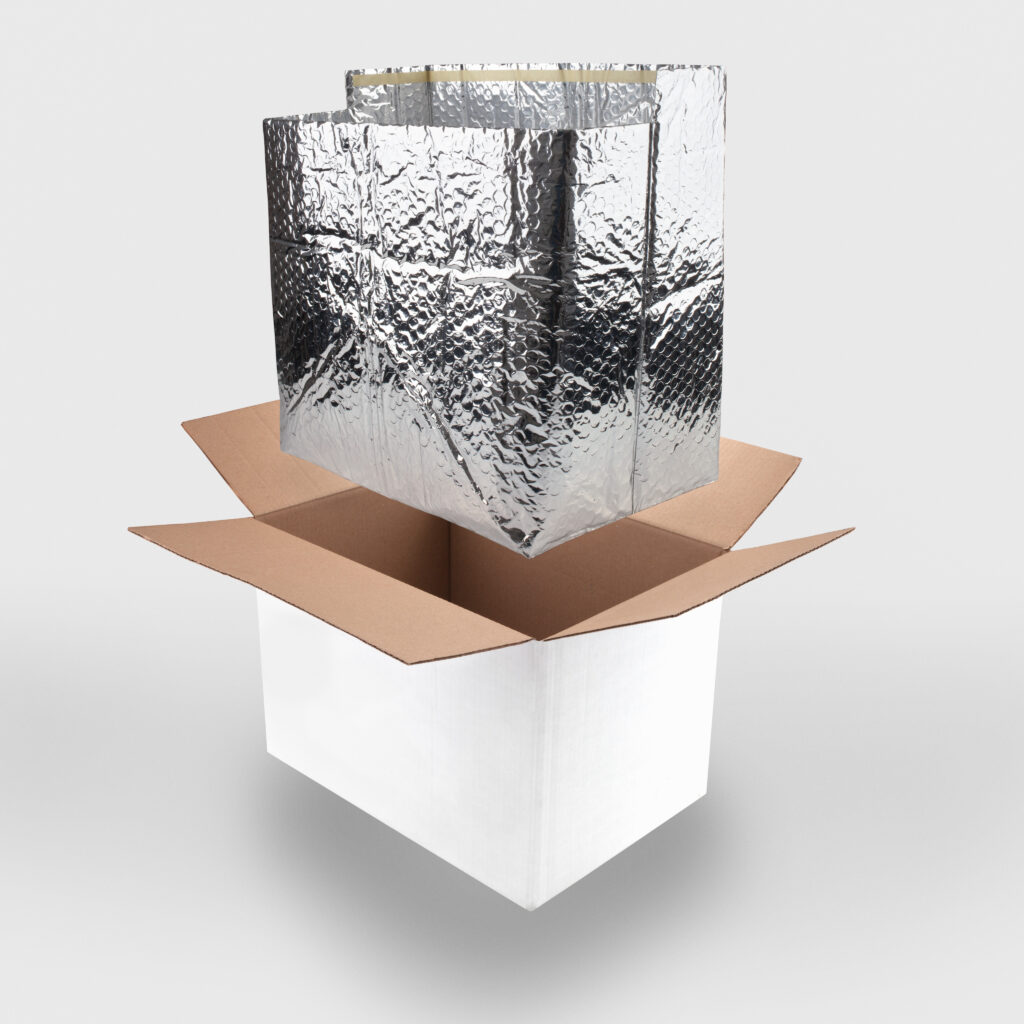
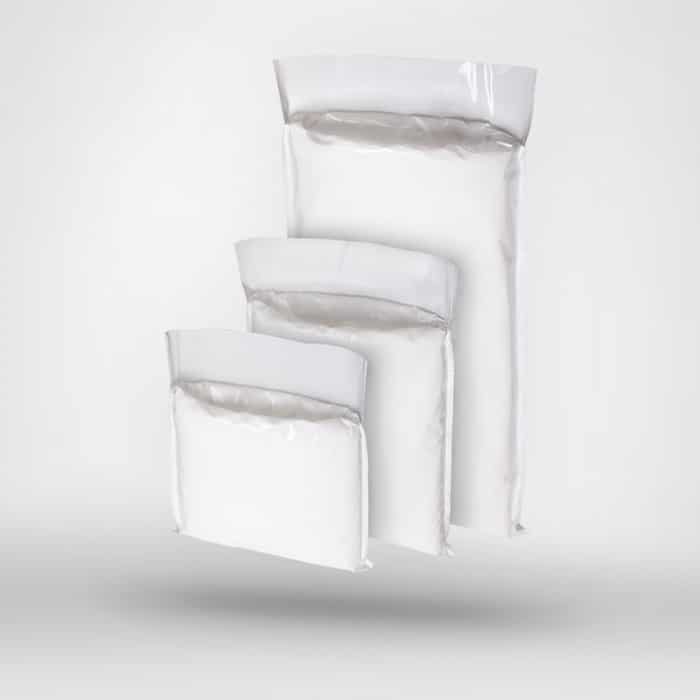
For high-volume parcel delivery, flexible liner systems such as ReflectiveAir and RecycleAir are widely used due to their ability to balance performance with operational efficiency.

ReflectiveAir systems reduce radiant heat transfer through low-emissivity foil laminates, while RecycleAir systems increase thermal resistance using double bubble insulation and LDPE structures. This allows systems to be selected based on the required balance between thermal performance, sustainability and packing efficiency.

When correctly configured, liner-based systems can:

  • maintain chilled temperatures (2–8°C) for 24+ hours under UK summer conditions

  • extend performance up to 96 hours in lower ambient environments

In practice, this makes them suitable for short to medium duration shipping. However, performance is highly dependent on pack-out consistency and exposure time prior to dispatch, meaning systems must be configured with sufficient margin to absorb delays within parcel networks.

Extended and High-Risk Shipping

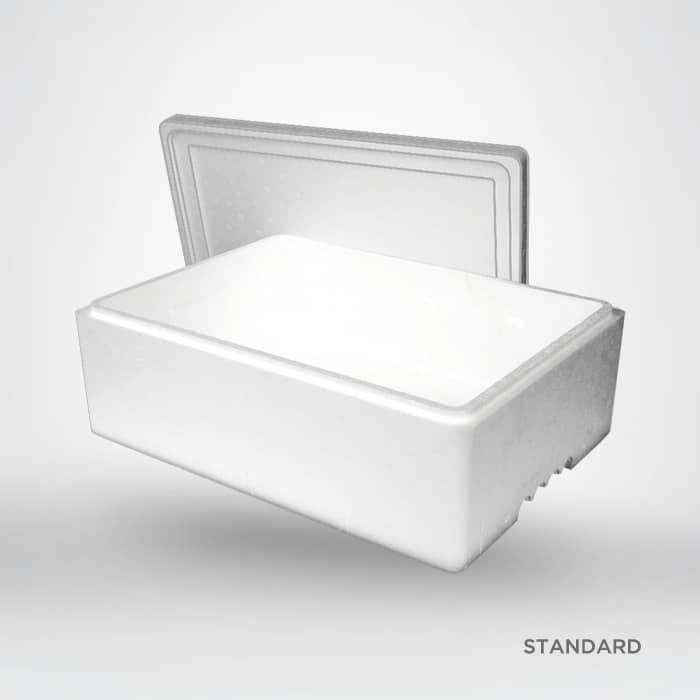
As transit duration and exposure risk increase, liner-based systems reach their performance limits. In these scenarios, rigid insulated packaging and multi-layer courier systems are required to provide additional thermal stability.

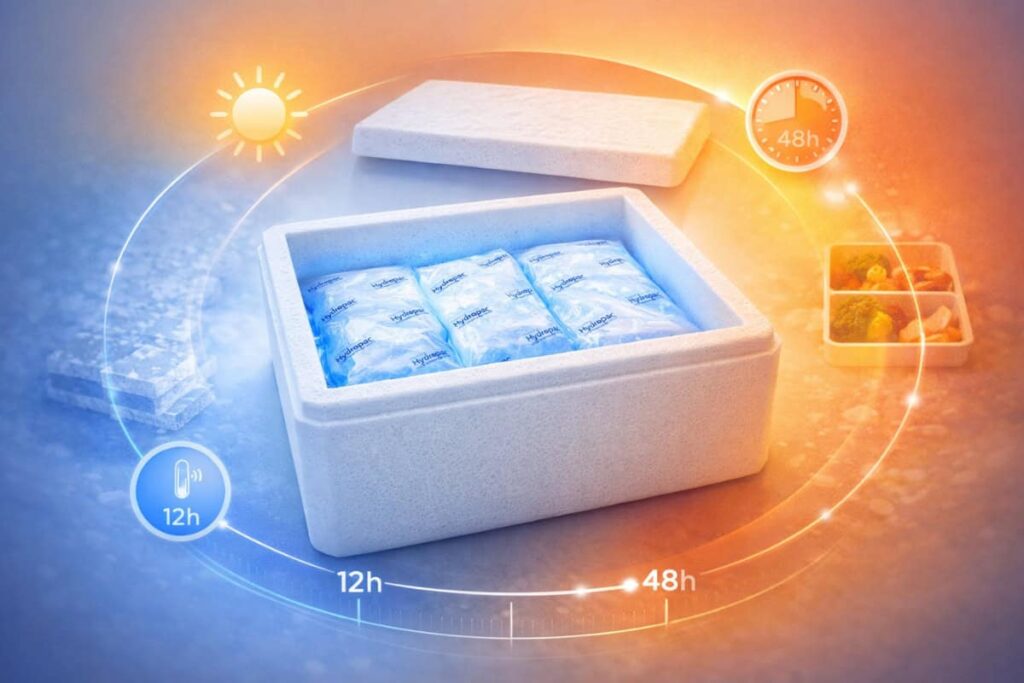
Temperature controlled courier boxes combine rigid outer structures, internal insulation layers and phase change materials to maintain controlled internal conditions over extended periods. Depending on configuration, these systems can maintain stable temperatures for up to 96 hours, even under variable ambient conditions.

They are typically used where:

  • delivery windows are inconsistent or exceed 48 hours

  • ambient exposure is elevated or unpredictable

  • tighter temperature tolerances must be maintained

The key difference is not just higher insulation performance, but increased tolerance to variability within the shipping environment.

The Role of Refrigerants in Shipping Performance

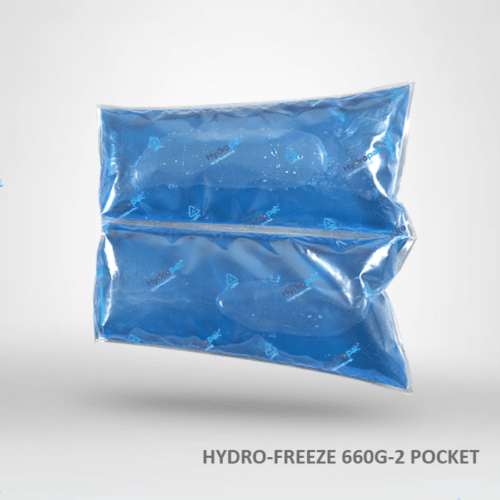
Refrigerants provide the thermal capacity required to absorb heat during transit, but their effectiveness depends on how they are used within the system.

Hydropac cooling solutions are designed to deliver controlled thermal release over time rather than rapid cooling, supporting stable temperature ranges across chilled and frozen applications. When combined with appropriate insulation, systems can maintain performance for up to 96 hours, depending on configuration.

In practice, refrigerants are one of the most common points of failure. Incorrect conditioning, poor placement or inconsistent pack-out can significantly reduce system performance, even where insulation is sufficient.

Shipping Duration and Performance Windows

Transit duration defines the total thermal load a system must manage. As duration increases, systems must compensate not only for heat ingress but also for variability within the distribution network.

  • Up to 24 hours: liner-based systems can perform reliably when exposure is controlled

  • 24–48 hours: increased insulation performance and refrigerant capacity are required to maintain stability

  • 48–72+ hours: systems must be designed with additional performance margin to account for delays, ambient variation and handling exposure

In real-world shipping, actual transit time frequently exceeds planned delivery windows. Systems must therefore be designed to perform beyond nominal durations rather than at their limit.

Reducing Temperature Excursions in Transit

Most temperature failures during shipping are not caused by insulation limitations, but by misalignment between packaging systems and operational processes.

Common failure points include:

  • inconsistent pack-out across shifts or locations

  • incorrect refrigerant placement or conditioning

  • extended exposure during staging or loading

Addressing these issues requires aligning packaging configuration to how shipments are actually packed, handled and transported, rather than how they are intended to perform.

Validated Performance in Real Distribution Conditions

Shipping performance must be validated under realistic conditions. Hydropac systems are tested using climate chamber simulations based on UK summer and winter profiles, alongside real-world distribution trials.

This approach ensures that systems are designed to perform under actual operating conditions, allowing configurations to be refined based on measured data. The result is improved temperature reliability while avoiding unnecessary over-specification and excess material use.

Contact us directly

We are ready to answer all your questions and help you find the perfect solution for your cold chain transport.

Tailored advice

From issue to a customised cooling solution

In this way we help you to guarantee the quality and safety of food products under all circumstances.

FAQ's about temperature controlled shipping

How do I ensure temperature control during shipping delays or extended transit times?

Temperature control during delays depends on building sufficient performance margin into the packaging system. This means selecting insulation and refrigerant configurations that can perform beyond the planned transit time, accounting for dwell time, ambient exposure and variability within the distribution network.

Liner-based systems are typically effective for short to medium duration shipments up to 24–48 hours. Beyond this, or where ambient exposure is high or unpredictable, their performance limits can be reached. In these cases, more robust systems such as insulated containers or multi-layer courier packaging are required to maintain temperature stability.

Handling and staging can significantly reduce the effective performance window of a packaging system. Time spent outside controlled environments before dispatch, combined with inconsistent pack-out processes, can lead to early temperature loss before the shipment even enters transit.

The most common cause is not insulation failure, but inconsistency in pack configuration. Incorrect refrigerant conditioning, poor placement or variation in packing processes can reduce system performance, even when high-spec packaging materials are used.

Performance is validated through a combination of climate chamber testing and real-world distribution trials. These simulate seasonal conditions and actual shipping routes, allowing packaging systems to be tested against real transit scenarios rather than theoretical assumptions.

— Related articles —

Food Shipping

Product Showcase – Freshpac Thermal Postal Pockets

Our latest Product Showcase is on our Thermal Postal Pockets. These are part of our range of cooling products designed to maintain the cold chain ...
Lees meer
Eco Friendly

Is Banning Plastic the Answer?

With the UK target set to recycle 65% of urban waste by 2035, and the estimation that still over half what ends up in the ...
Lees meer
Eco Friendly

Does Polystyrene Deserve Its Bad Rep?

Polystyrene has a bad rep, but we're here to tell you differently. Not only can it be reused, it can also be recycled - read ...
Lees meer
Scroll to Top

Quotation Request

Receive our tailor made quotation within 1 working day.
Quotation Request (#4)