
Why some medications must be stored at low temperatures
Across modern healthcare and pharmaceutical logistics, temperature control is not just a technical requirement; it is a matter of patient safety. Many advanced medicines, from insulin to complex biologics, can lose their potency or stability if they are exposed to even short periods of heat. As the pharmaceutical industry continues to develop sensitive biological and genetic treatments, maintaining precise temperature ranges has become one of its most significant logistical challenges.
In this demanding environment, every part of the cold chain plays a crucial role. From the moment a vaccine or therapy leaves the production facility until it reaches the patient, the temperature must remain within strict limits. Hydropac, a UK manufacturer specialising in temperature-controlled packaging, supports this process through its PharmaPac systems, gel ice packs and sustainable insulation materials, helping to ensure that vital medicines stay safe, stable and effective throughout their journey.
Custom chilled solutions for you
Hydropac offers every customer a customized solution for chilled and conditioned shipping. For example, we help a customer with limited freezing capacity to deliver gel packs frozen and ready to use, and we can manufacture almost all shapes and sizes of cooling elements. As a customer, you come first: we are here to help you.
Understanding Why Certain Medications Require Cold Storage
Not all medicines need refrigeration, but many modern treatments depend on it. Biological and biotechnological drugs, vaccines and hormones often contain proteins or living components that are highly sensitive to heat. When exposed to temperatures above their recommended range, these molecules can denature or break down, leading to reduced effectiveness or complete loss of therapeutic value.
Pharmaceutical manufacturers define temperature limits through rigorous stability testing, which determines how a product behaves under various storage and transport conditions. Most biological medicines must be kept between 2°C and 8°C. Others, such as gene therapies or cell-based treatments, require ultra-low or cryogenic temperatures. Maintaining these strict parameters across global supply chains presents a complex logistical challenge.
The Science Behind Temperature Sensitivity
Proteins and peptides rely on delicate three-dimensional structures to perform their intended function. Heat can cause these structures to unfold or clump together, while freezing can create ice crystals that alter their physical integrity. Even short excursions outside the approved range can make a product unsafe for use.
For example, insulin, one of the world’s most widely used biological drugs, loses potency when exposed to excessive warmth. Similarly, mRNA vaccines must be kept cold to protect the integrity of their lipid nanoparticles. As medicine becomes increasingly complex, understanding and controlling temperature behaviour is central to quality assurance and patient safety.
Regulations and Quality Standards
Both UK and EU authorities enforce strict guidelines to protect the integrity of temperature-sensitive medicines. The Good Distribution Practice (GDP) standards require that all medicinal products are stored and transported within validated temperature ranges. These rules extend across the entire supply chain, from production to last-mile delivery.
Pharmaceutical distributors must demonstrate that their packaging, monitoring equipment and handling procedures are validated. Data logging and traceability are key: if a temperature deviation occurs, it must be documented, investigated and reported. These standards are supported by organisations such as the Medicines and Healthcare products Regulatory Agency (MHRA) and the European Medicines Agency (EMA), ensuring that products remain safe, effective and compliant throughout their lifecycle.
The Role of Packaging in Cold Chain Stability
Temperature-controlled packaging is the cornerstone of an effective pharmaceutical cold chain. Without reliable packaging, even the most advanced logistics systems can fail to maintain safe conditions. High-quality insulation, validated cooling media and precise design engineering are all critical to keeping temperatures stable during transit.
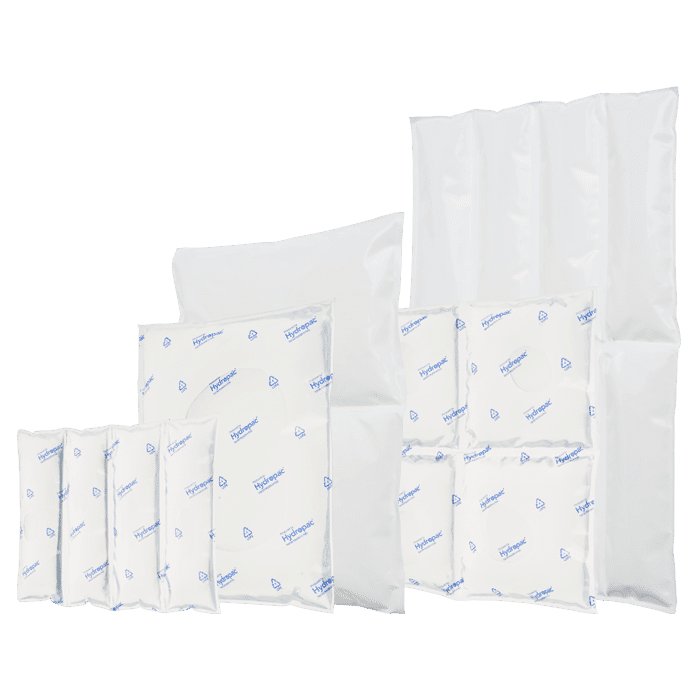
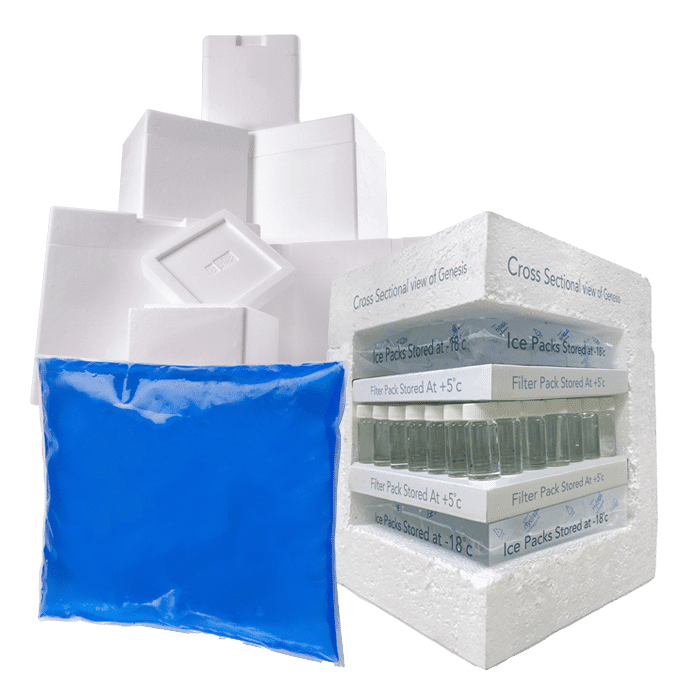
Hydropac’s PharmaPac range is engineered specifically for this purpose. It combines robust insulation with high-performance gel or water-based ice packs, each designed to sustain internal temperatures for extended periods, up to 96 hours in tested conditions. The company’s seal-through-liquid manufacturing process ensures leak-free reliability, while microbiological testing guarantees cleanliness and product safety.
Key functions of temperature-controlled packaging include:
- Maintaining consistent internal temperatures during transport and storage
- Preventing thermal shocks caused by handling or environmental exposure
- Enabling validated performance under “worst-case” testing conditions
- Supporting compliance with GDP and ISO quality systems
By integrating these design principles, Hydropac helps pharmaceutical suppliers reduce the risk of temperature excursions and avoid costly product losses.


Sustainability and the Future of Cold Chain Logistics
As the industry faces growing pressure to reduce waste and carbon emissions, sustainability is becoming a core priority. Traditional cold chain packaging often relies on single-use plastics or non-recyclable insulation materials. Hydropac addresses this challenge through innovative solutions such as RecycleAir and ReflectiveAir, which combine strong thermal performance with environmentally responsible materials.
Nearly all Hydropac products are 100 percent recyclable, providing pharmaceutical partners with eco-friendly options that do not compromise on quality or compliance. This balance between sustainability and performance is vital as healthcare supply chains move toward greener practices.
Conclusion
The need for precise temperature control in pharmaceuticals is not simply a technical consideration; it is a matter of patient safety and product integrity. As medicines become more advanced, their sensitivity to environmental conditions increases, making robust cold chain management essential at every stage of distribution. A single lapse in temperature control can result in lost stock, wasted resources and, most importantly, compromised patient care.
Through its expertise in temperature-controlled packaging, Hydropac provides the reliability and innovation that modern healthcare demands. With solutions such as PharmaPac, Ice Packs by Hydropac, and sustainable insulation systems like RecycleAir and ReflectiveAir, the company helps maintain the stability of life-saving medicines across complex supply chains.
In an industry where every degree matters, trusted packaging partners like Hydropac play a crucial role in ensuring that critical treatments reach patients safely, effectively and responsibly.