
Why real sustainability begins with choosing the right materials
For anyone working in logistics or packaging, the last few years have felt like watching a well-intentioned pendulum swing a little too far. In the rush to appear greener, many businesses began replacing almost every form of protective packaging with paper, regardless of whether the journey, the product or the environment actually suited it.
It wasn’t unusual to see parcels arriving on doorsteps with softened corners, sagging sides or a faint tide mark creeping upwards from the rain-soaked ground. A few images even circulated online: protective honeycomb paper turned to pulp, books or electronics warped beyond use, all victims of a system that didn’t quite match the material to the mission.
These examples weren’t failures of paper. They were failures of context. And in that gap between intention and reality sits a wider truth:
Sustainability only works when it works in practice.
Custom chilled solutions for you
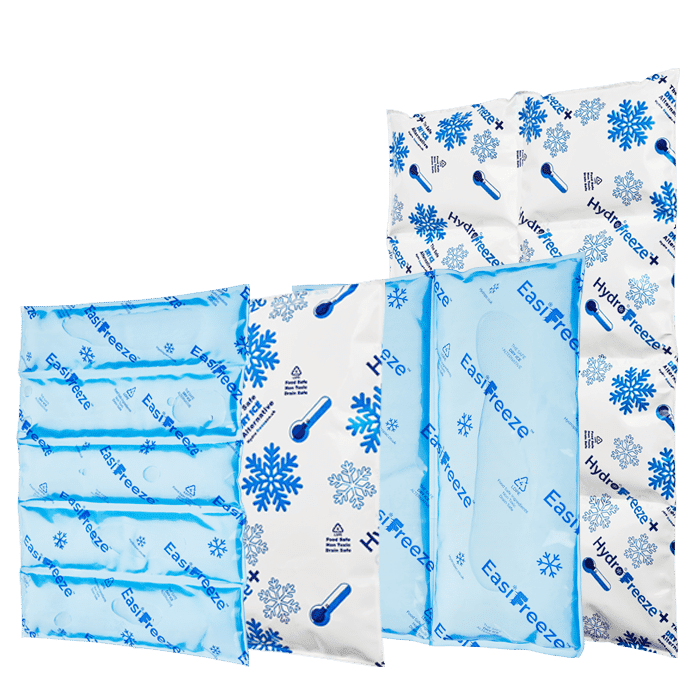
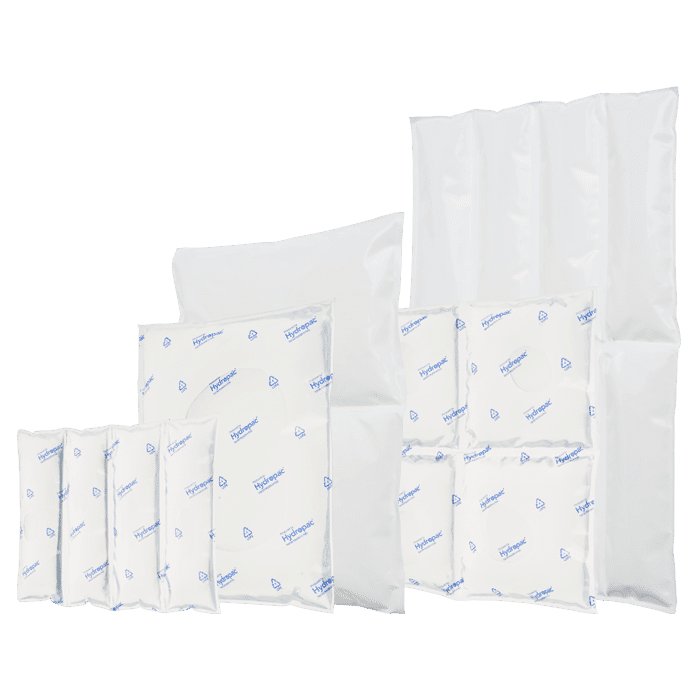
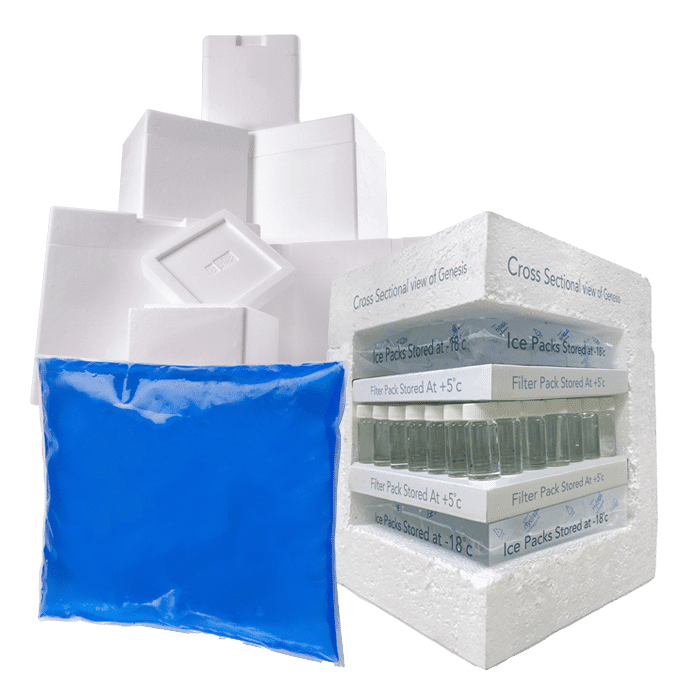
Hydropac offers every customer a customized solution for chilled and conditioned shipping. For example, we help a customer with limited freezing capacity to deliver gel packs frozen and ready to use, and we can manufacture almost all shapes and sizes of cooling elements. As a customer, you come first: we are here to help you.
The sustainability shortcut that backfired
When sustainability became a headline priority for customers, shareholders and regulators alike, paper quickly became the symbol of “doing the right thing”. It felt natural, familiar and easy to justify.
But something subtle happened:
paper became the answer long before anyone asked the question properly.
- What will this parcel be exposed to?
- How long is the journey and what are the conditions?
- How sensitive is the product to moisture, temperature or pressure?
- Will removing protective layers create more returns?
If these questions aren’t asked, material choice becomes a marketing decision rather than an engineering one. And when that happens, the planet doesn’t always thank us. A damaged product takes the longest possible route to the bin: it travels twice, is repackaged twice, and often manufactured twice. The carbon footprint doubles, even though the packaging was “greener”.
The quiet wisdom.
Long before the industry rediscovered how unforgiving the real world can be, Hydropac’s Managing Director, Colin Rowland, had already condensed the issue into a simple principle:
“Paper where possible, Plastic where necessary.”
Not a slogan. Not a defence of any one material. Just a recognition that sustainability is complex, and that performance isn’t optional.
Paper has its place, and it’s an important one. But there are products, conditions and journeys where it simply cannot do what needs to be done. And that’s where the right kind of plastic becomes the more sustainable option, not the enemy. Because the real enemy isn’t plastic. It’s waste.
Why function-first design is real sustainability
True sustainability doesn’t start with material preference. It starts with understanding the demands of the journey.
Hydropac’s approach has always reflected that. Every solution is built backwards from the conditions it must withstand: temperature swings, condensation, stacking pressure, long transit times or changing environments.
That’s why Hydropac focuses on:
- Water-based ice packs that avoid synthetic gels and “forever polymers”
- Recyclable LDPE-4 film, designed for recovery rather than landfill
- Seal-through-water engineering, ensuring strength even under pressure
- Sterile, filtered water that’s safe for food, pharma and medical applications
- Robust reusability, reducing single-use waste
- Temperature-controlled performance that prevents spoilage and returns
These aren’t aesthetic features. They’re functional, protective choices, the kind that actually move sustainability forward instead of simply ticking a box.

A lesson the industry is still learning
The push towards “all paper everything” was never malicious. It was a genuine attempt to meet rising expectations and environmental responsibilities. But it showed us something valuable:
When we simplify sustainable decision-making, we oversimplify reality.
Most parcels won’t sit on climate-controlled warehouse shelves. They’ll sit in rain, cold, condensation or summer heat. They’ll be dropped off early, left until evening, and handled hundreds of times. And the packaging that protects them has to be chosen with that journey in mind, not just the headline.
Sustainability isn’t a material. It’s a mindset.
The soaked, sagging parcels people occasionally share online aren’t catastrophes, they’re reminders. They remind us that sustainability requires engineering, not optimism; data, not assumptions; and above all, the courage to use the material that works, even if it’s not fashionable at the moment.
Hydropac’s stance isn’t about picking paper or plastic. It’s about picking the right tool for the right task, and reducing waste long before it occurs. Because real sustainability doesn’t come from choosing one material over another. It comes from choosing the material that protects the product, preserves resources, and prevents the need to send anything twice. That’s what “function first” truly means. And that’s why, even in a world hungry for simple answers, the honest solution remains:
Paper where possible. Plastic where necessary.