
How changing consumer habits are influencing packaged foods
Consumer behaviour is reshaping the global food industry. Today’s shoppers expect products that are not only convenient and affordable but also healthy, sustainable and traceable. This shift is placing new demands on how food is produced, packaged and delivered. From the rise of plant-based meals to the surge in online grocery shopping, every stage of the supply chain is under pressure to adapt.
Packaging now plays a crucial role in meeting these expectations. It must preserve freshness, ensure safety, reduce waste and demonstrate environmental responsibility. As a leading UK manufacturer of temperature-controlled and sustainable packaging, Hydropac supports this transformation. Through solutions such as FreshPac for chilled foods and RecycleAir for eco-friendly insulation, Hydropac helps brands align with modern consumer priorities while maintaining product integrity from production to plate.
Custom chilled solutions for you
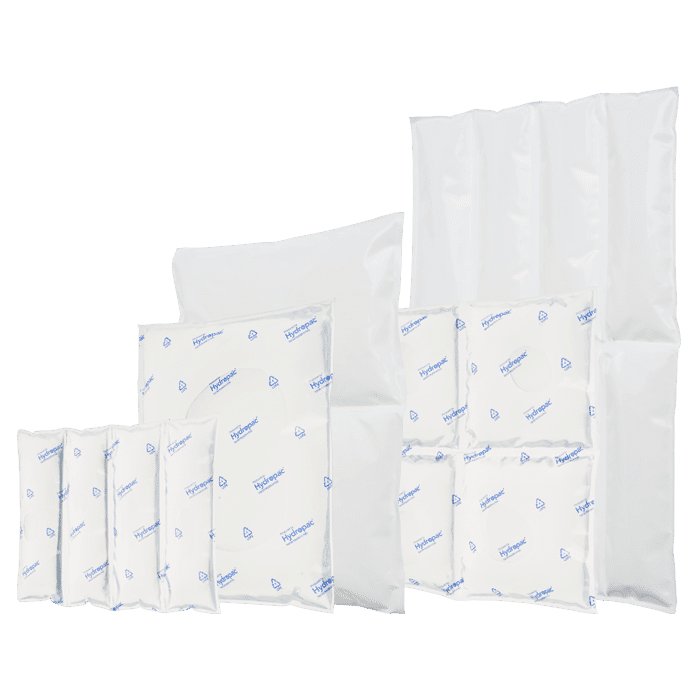
Hydropac offers every customer a customized solution for chilled and conditioned shipping. For example, we help a customer with limited freezing capacity to deliver gel packs frozen and ready to use, and we can manufacture almost all shapes and sizes of cooling elements. As a customer, you come first: we are here to help you.
The Evolving Expectations of Modern Consumers
The modern consumer is more informed and selective than ever before. Health, sustainability and convenience now sit at the core of purchasing decisions, creating new challenges for food producers and packaging suppliers. People increasingly look for products that align with their values, from low environmental impact to transparent labelling and responsible sourcing.
One of the most significant changes has been the shift toward health-conscious and plant-based diets. Consumers expect fresher ingredients with fewer additives and a shorter shelf life, which increases the demand for effective cold chain packaging. Meanwhile, the rise in online grocery shopping and meal subscription services requires packaging that can maintain temperature control during long and complex delivery routes.
Hydropac’s FreshPac range is designed to address exactly these needs, providing high-performance insulation for fresh, chilled and frozen goods while ensuring recyclability and minimal waste.
Sustainability as a Driving Force
Sustainability has evolved from a marketing advantage into an operational necessity. Both consumers and regulators expect packaging that can be recycled, reused or composted. New legislation such as the UK’s Extended Producer Responsibility (EPR) scheme and the EU’s Packaging and Packaging Waste Regulation (PPWR) are compelling brands to rethink how packaging materials are sourced and disposed of.
For manufacturers and retailers, this means balancing thermal performance with environmental accountability. Hydropac’s commitment to sustainability is evident across its product lines. RecycleAir and ReflectiveAir use recyclable and resource-efficient materials that provide exceptional insulation while supporting circular economy principles. Nearly all Hydropac products are 100 percent recyclable, allowing food brands to meet consumer and regulatory expectations without compromising product quality or safety.
Technology and Smart Packaging
Innovation in packaging is no longer limited to physical materials. The integration of smart packaging technologies such as temperature indicators, sensors and QR-based tracking systems is becoming more common. These tools give both consumers and producers real-time insights into food freshness, supply chain conditions and sustainability metrics.
While technology helps ensure safety and transparency, it also relies on the packaging’s structural and thermal reliability. Hydropac’s products are engineered to maintain consistent temperature performance across different transport conditions, making them ideal foundations for future smart packaging integrations.
Balancing Convenience with Responsibility
Convenience continues to drive much of the packaged food market, particularly through ready-to-eat, on-the-go and home delivery options. However, the environmental implications of single-use plastics and non-recyclable insulation materials have made consumers more critical of excess packaging.
Hydropac’s approach combines practicality with responsibility. Its lightweight, efficient packaging designs reduce material waste and transport emissions. The company’s seal-through-liquid manufacturing process enhances hygiene and prevents leakage, improving the reliability of cooling solutions during long-distance deliveries. This innovation supports both convenience-driven consumers and the brands that serve them.
The Role of Temperature Control in Consumer Trust
Temperature control remains central to maintaining consumer trust in packaged foods. Whether it is a chilled ready meal, dairy product or seafood delivery, consistent cooling is essential to preserve freshness, taste and safety. As purchasing habits shift toward direct-to-consumer and e-commerce channels, the need for dependable cold chain packaging continues to grow.
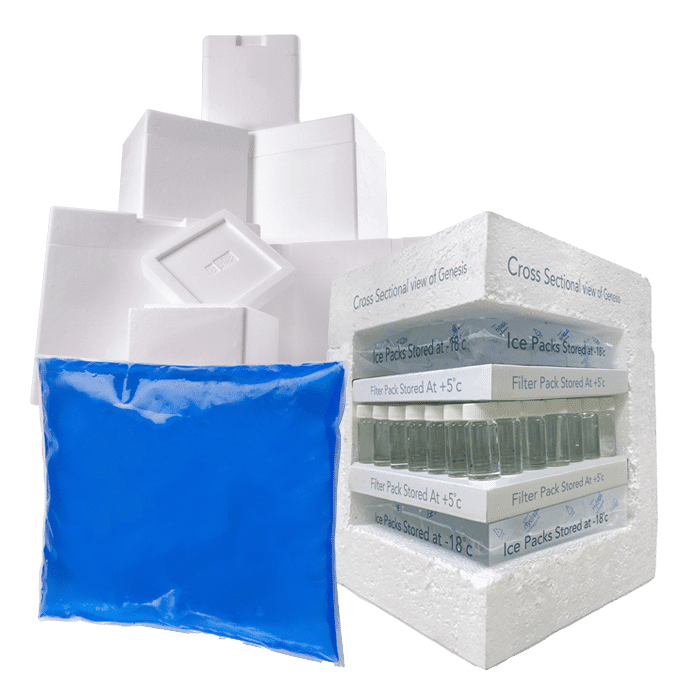
Hydropac’s expertise in temperature-controlled logistics helps food producers and retailers adapt to this shift. Products such as FreshPac and Ice Packs by Hydropac provide validated cooling performance for extended durations, ensuring that quality is maintained even under variable transit conditions.
More insights


Conclusion
Consumer habits are changing the food industry at every level, from how products are sourced to how they are packaged and delivered. People want food that is fresh, sustainable and convenient, and they expect packaging to reflect those same values. This evolution is pushing brands to innovate in both material design and temperature control to maintain quality, reduce waste and meet rising environmental standards.
Hydropac continues to support this shift with packaging systems that combine performance, reliability and sustainability. Through solutions such as FreshPac, RecycleAir and ReflectiveAir, Hydropac helps food producers and retailers protect product integrity while aligning with modern consumer priorities.
As expectations continue to evolve, temperature-controlled and eco-friendly packaging will remain essential for any brand that wants to build trust, safeguard freshness and stay ahead in a rapidly changing market.