
How startups are disrupting traditional food and pharma supply chains
Across the food and pharmaceutical sectors, the supply chain landscape is shifting faster than ever. Startups are driving this change by applying digital innovation, data analytics and sustainability principles to systems that were once slow, rigid and resource-heavy. From farm-to-table delivery platforms to smart pharmaceutical logistics, new entrants are challenging long-established models and forcing traditional players to rethink efficiency, transparency and resilience.
In industries where freshness and temperature control are critical, these transformations are especially significant. Startups are not only changing how products move but also how they are protected and monitored throughout their journey. Hydropac, a UK manufacturer specialising in temperature-controlled packaging, supports this evolution through advanced insulation systems and validated cooling solutions such as FreshPac and PharmaPac. By safeguarding temperature integrity, Hydropac helps both innovators and established brands deliver products safely and sustainably.
Custom chilled solutions for you
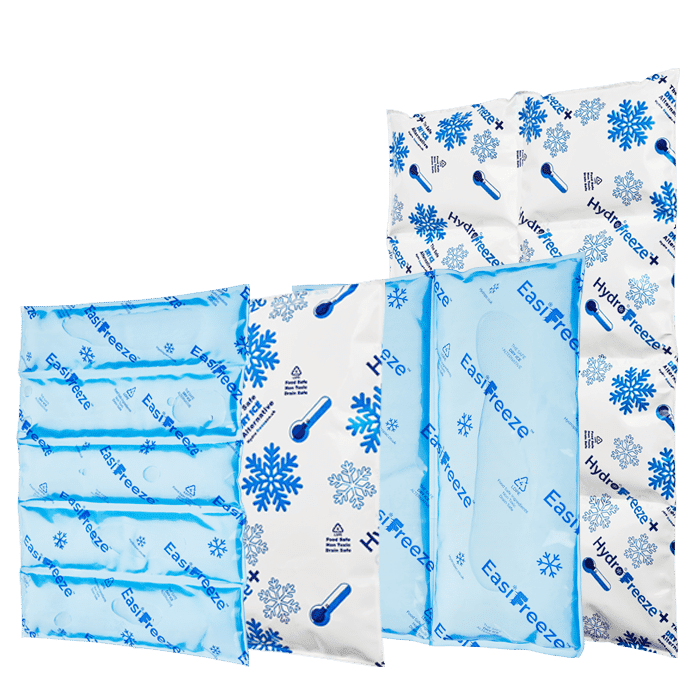
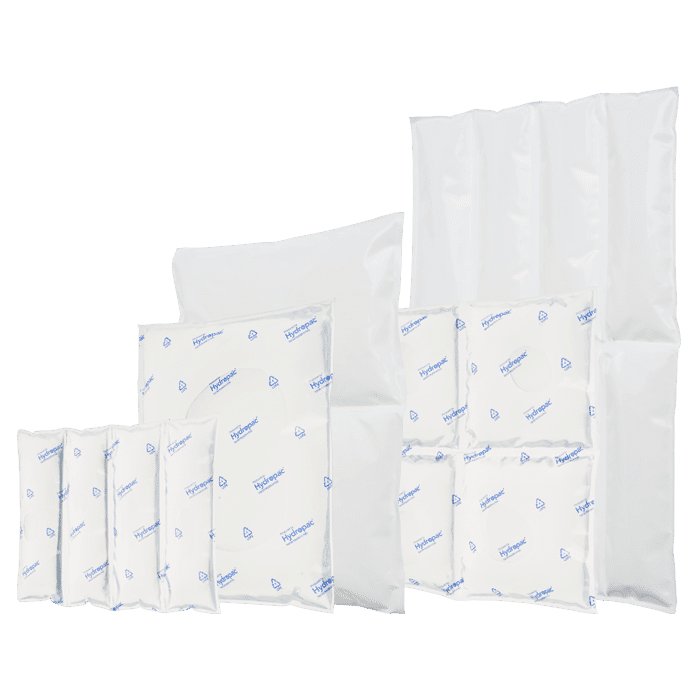
Hydropac offers every customer a customized solution for chilled and conditioned shipping. For example, we help a customer with limited freezing capacity to deliver gel packs frozen and ready to use, and we can manufacture almost all shapes and sizes of cooling elements. As a customer, you come first: we are here to help you.
The Rise of Agile Supply Chains
Startups are transforming traditional supply chain models by prioritising speed, flexibility and data transparency. In both food and pharmaceutical sectors, this shift is enabling faster responses to market demand and external disruptions. Traditional systems often rely on centralised production and long distribution chains, but new entrants are building leaner, more responsive networks.
Many are leveraging digital tools such as artificial intelligence and blockchain to track products in real time. Predictive analytics allows them to anticipate delays or temperature excursions before they occur. In the food sector, this means fresher ingredients with longer shelf lives reaching consumers faster. In pharmaceuticals, it means maintaining strict temperature compliance to protect product efficacy.
Technology as a Catalyst for Change
The technologies driving this disruption are varied but interconnected. Cloud-based platforms synchronise data between producers, distributors and retailers, eliminating manual processes that slow traditional supply chains. In food logistics, temperature and humidity sensors ensure that perishable goods remain within optimal ranges during transport.
Pharmaceutical startups are introducing IoT-enabled cold chain monitoring, using compact sensors that log and transmit temperature data throughout the journey. This level of transparency not only meets Good Distribution Practice (GDP) standards but also builds trust with regulators and healthcare providers. As these tools become more accessible, even smaller companies can achieve compliance levels once reserved for global corporations.
Overcoming Legacy Challenges
Despite their agility, startups face significant hurdles. Compliance with stringent regulations such as GDP in pharmaceuticals or HACCP in food production requires detailed validation and documentation. Scaling infrastructure for chilled storage and transport can also be costly. Many young companies lack the capital or experience to build and maintain fully validated temperature-controlled systems.
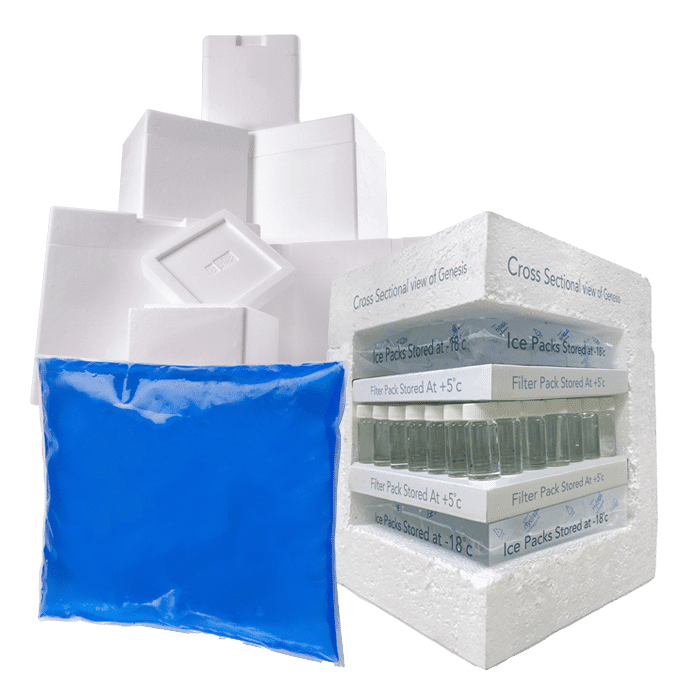
This is where reliable packaging solutions become essential. Hydropac’s PharmaPac range, for example, provides pre-validated systems that maintain internal temperatures for up to 96 hours, enabling startups to meet compliance requirements without investing in complex refrigeration networks. Similarly, FreshPac packaging supports food businesses that need consistent, passive cooling for last-mile deliveries.
Sustainability and Circular Innovation
Startups are also accelerating sustainability across the cold chain. Consumers increasingly expect environmentally responsible packaging, and regulators are tightening requirements for waste reduction. Traditional polystyrene boxes and single-use materials are being replaced with recyclable or compostable alternatives.
Hydropac has anticipated this shift through the development of eco-friendly insulation systems such as RecycleAir and ReflectiveAir. These materials combine excellent thermal performance with high recyclability, allowing businesses to lower their environmental impact without compromising on quality or safety. Nearly all Hydropac products are 100 percent recyclable, supporting both startups and established brands in achieving their sustainability targets.
Collaboration Between Startups and Established Players
While disruption is often seen as competition, the most effective transformations occur through collaboration. Startups bring innovation, while established suppliers offer experience, reliability and infrastructure. In both food and pharma supply chains, partnerships are forming where agile digital systems are combined with proven packaging and logistics expertise.
Hydropac plays a supporting role in this new ecosystem by providing dependable, validated solutions that complement cutting-edge digital logistics. Whether it is a biotech startup launching a temperature-sensitive therapy or a food delivery brand scaling nationally, Hydropac’s engineered packaging ensures that quality, safety and compliance are maintained every step of the way.

Conclusion
Startups are redefining what efficiency and innovation look like in both food and pharmaceutical supply chains. By embracing digital tools, predictive analytics and sustainable practices, they are challenging the limitations of traditional systems and creating more agile, transparent and resilient networks. These new approaches are improving delivery speed, reducing waste and enhancing temperature control throughout the cold chain.
To make these innovations practical, reliable infrastructure remains essential. Hydropac supports this transformation through advanced temperature-controlled packaging solutions that combine proven thermal performance with sustainable design. With product families such as FreshPac, PharmaPac and RecycleAir, Hydropac provides the dependable foundation that allows startups and established businesses alike to deliver high-quality, temperature-sensitive goods safely and responsibly.
As the supply chain continues to evolve, collaboration between innovators and trusted packaging specialists will be key to shaping a smarter, greener and more resilient future.