
The Science Behind Freeze and Thaw Performance in Cold Chain Coolants
Cold chain operations rely on precision, consistency and predictable temperature control. Whether transporting frozen meals, biological samples or temperature sensitive pharmaceuticals, the performance of coolant materials determines how well products remain within their safe ranges. Freeze and thaw behaviour is often discussed in simple terms, yet the underlying science is far more complex. Subtle variations in latent heat, phase change characteristics and thermal conductivity can significantly influence both operational efficiency and product protection.
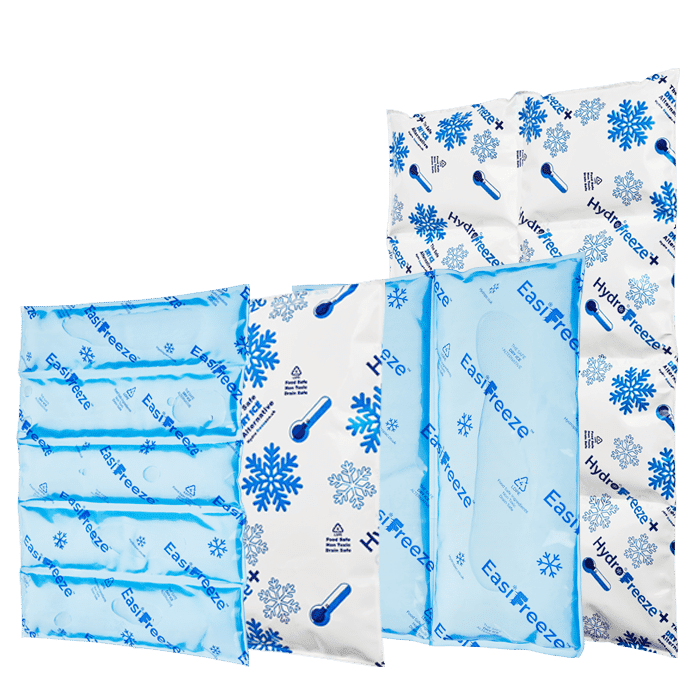
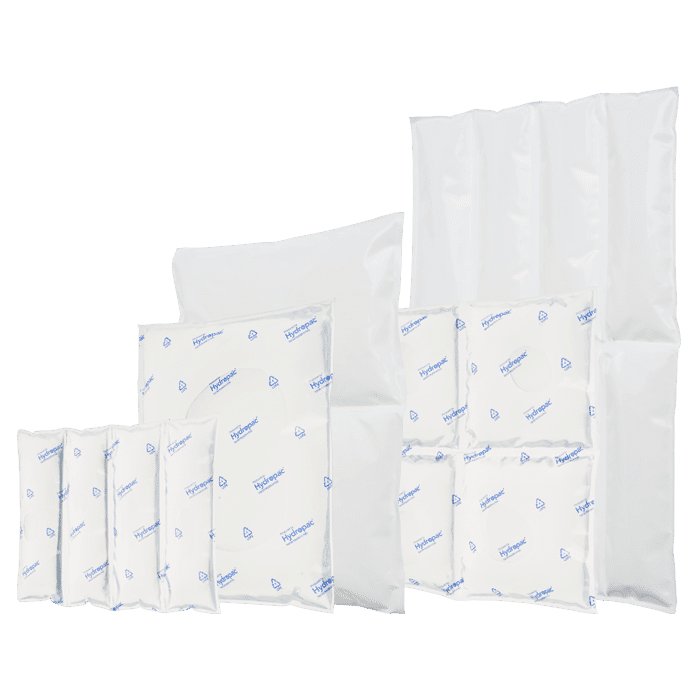
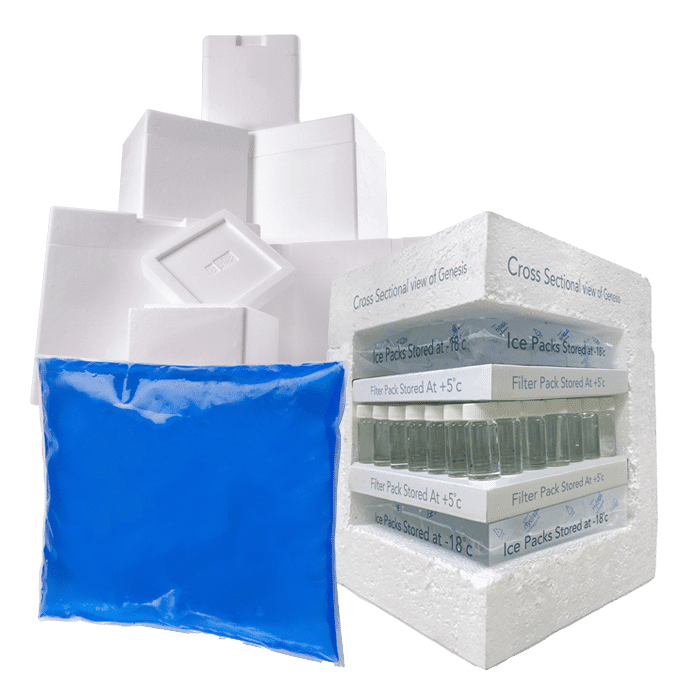
Hydropac, a long-standing manufacturer of temperature controlled packaging, works closely with sectors such as food, pharmaceuticals and healthcare. Our water based ice packs, HydroFreeze formulations and specialised PharmaPac systems are designed to deliver dependable thermal performance for different temperature bands. Understanding the science behind freeze and thaw processes helps explain why these solutions behave as they do in both laboratory tests and real world transport conditions.
Custom chilled solutions for you
Hydropac offers every customer a customized solution for chilled and conditioned shipping. For example, we help a customer with limited freezing capacity to deliver gel packs frozen and ready to use, and we can manufacture almost all shapes and sizes of cooling elements. As a customer, you come first: we are here to help you.
Understanding Phase Change Behaviour in Cold Chain Coolants
Freeze and thaw performance is governed by the fundamental principles of phase change. When a coolant moves from solid to liquid, it absorbs heat at a stable temperature for as long as the phase change continues. This is known as latent heat. Materials with a higher latent heat value can absorb more energy before their temperature rises, which results in longer thaw times and more stable conditions during transport.
Water based coolants remain popular because water has a naturally high latent heat capacity. Hydropac builds upon this advantage through its HydroFreeze solutions, which are engineered to maintain their phase change temperature around the thresholds required for frozen food and other sub-zero applications. The consistency of water based formulations is particularly important because it helps deliver predictable thermal curves during both freezing and thawing.
What Determines Freeze Performance
The speed at which a coolant freezes is a function of thermal conductivity, density, water purity, pack structure and airflow within the freezing environment. Faster freezing is desirable for many operational reasons, especially in high volume warehouses that rely on quick turnaround and efficient energy use.
Several factors influence freeze performance:
- The temperature of the freezer relative to the required freezing point
- Circulation of air around the packs
- The thickness and design of the coolant pockets
- The thermal characteristics of the coolant formulation
- The fill accuracy and sealing quality of the pack
Hydropac manufactures its water ice packs using precision controlled filling equipment and seal through water technology. This production method helps ensure that coolant pockets freeze consistently, which is essential for reliable temperature control during transit. Packs that freeze evenly across their entire surface maintain a more predictable thermal mass, which improves downstream thaw stability.
Thaw Duration and Thermal Reliability
Thaw performance determines how long a shipment can withstand external conditions without exceeding its safe temperature range. A coolant with strong latent heat values can absorb heat for an extended period while the temperature at its phase change point remains stable.
The performance of a coolant during thawing depends on:
- The latent heat capacity of the coolant material
- The phase change temperature in relation to the shipment requirements
- The insulation quality of the outer packaging
- The distribution of coolant within the system
- The external temperature profile and transit duration
Hydropac uses validated testing in climate chambers to confirm the performance of solutions such as FreshPac for food shipments and PharmaPac for medicines and healthcare products. Proper modelling of thaw curves is essential because it helps match the coolant formulation with the expected temperature profile of a specific route, season or load configuration.

Operational Pressures Across the Cold Chain
Freeze and thaw behaviour influences more than product quality. It also affects the efficiency of the cold chain itself. Warehouses with high daily throughput aim to reduce freeze down time, minimise energy consumption and maintain predictable loading schedules. Coolants that freeze faster can increase capacity because freezers spend less time running at peak demand. Hydropac’s approach to water based coolants supports this need because the formulations are designed to reach target temperatures without requiring extreme freezer conditions.
Thaw reliability is equally important in sectors with strict regulatory expectations. Pharmaceutical distributors must follow guidelines such as EU GDP, which require evidence that products remain within defined temperature bands. Consistent coolant behaviour helps reduce temperature deviations and improves the stability of long distance or multi-stage routes.
The Role of Packaging in Thermal Performance
Although the coolant itself is critical, its performance depends heavily on the packaging system around it. Insulated boxes, reflective liners and correct pack placement can influence how long a shipment remains within its target range. Hydropac’s packaging families, including Recycle-Air and EnviroCool, are designed to support the thermal behaviour of the coolants inside them. When used with the correct number and arrangement of ice packs or HydroFreeze units, these systems help maintain a controlled and validated thermal environment.
Cold chain engineering therefore requires a holistic view. The coolant, the insulation, the route temperature and the product sensitivity each have a role in the final outcome. With accurate modelling and validated system design, freeze and thaw behaviour can be predicted and controlled with much greater precision.
Conclusion
Freeze and thaw performance sits at the heart of every temperature controlled supply chain. The behaviour of a coolant during its phase change determines how well food, pharmaceuticals and healthcare products remain protected throughout their journey. By understanding the underlying science and the operational factors that influence thermal stability, organisations can make more informed decisions about how they design and manage their packaging systems.
Hydropac works with these principles every day through the development of water based coolants, HydroFreeze technologies and validated systems such as FreshPac and PharmaPac. These solutions are shaped by an awareness of sector requirements, regulatory expectations and the need for dependable thermal performance. As cold chain logistics continue to evolve, insights into freeze and thaw behaviour will remain central to improving efficiency, sustainability and product integrity.