
Why temperature control regulations are crucial for pharmaceuticals
At Hydropac, we understand the critical role temperature control plays in maintaining the safety, efficacy and compliance of pharmaceutical products. As a trusted manufacturer of temperature-controlled packaging, we work closely with partners across the healthcare and pharmaceutical industries to support high standards of cold chain logistics.
From vaccines and insulin to monoclonal antibodies and investigational medicinal products, many medicines must be stored and transported within strict temperature ranges. A deviation of just a few degrees can compromise the chemical structure of active ingredients, leading to reduced efficacy or, in some cases, total product failure.
In this article, we explore the regulations that govern pharmaceutical temperature control, the risks of non-compliance, and how effective packaging and monitoring solutions can safeguard both product integrity and patient safety. You will also learn how Hydropac’s temperature controlled packaging supports operational efficiency while helping clients meet national and international regulatory requirements.
Custom chilled solutions for you
Hydropac offers every customer a customized solution for chilled and conditioned shipping. For example, we help a customer with limited freezing capacity to deliver gel packs frozen and ready to use, and we can manufacture almost all shapes and sizes of cooling elements. As a customer, you come first: we are here to help you.
Understanding the regulatory framework
Temperature control in pharmaceutical logistics is tightly governed by both UK and international standards. In the UK, regulators such as the MHRA and The General Pharmaceutical Council enforce adherence to Good Distribution Practice (GDP) and Good Manufacturing Practice (GMP). These guidelines ensure that medicinal products are consistently stored, handled and transported within the defined temperature ranges specified by the manufacturer.
The European Medicines Agency (EMA) and Directive 2001/83/EC further outline expectations for storage conditions across Europe, aligning with World Health Organization (WHO) guidance for global consistency. These frameworks apply across the pharmaceutical supply chain, from manufacturing to pharmacy and require thorough documentation, validated equipment and traceable systems.
Temperature controlled packaging must be compliant with these requirements to avoid temperature excursions that can damage products or trigger costly regulatory action.
Risks of temperature excursions
Even minor temperature fluctuations can result in chemical degradation of active ingredients, particularly in biologics, vaccines and refrigerated medicines such as insulin. These changes are often irreversible and undetectable without laboratory testing, posing serious risks to both product safety and patient health.
Product efficacy and patient safety
If temperature-sensitive products fall outside their specified temperature range, their therapeutic efficacy can decline, potentially compromising treatment outcomes. In extreme cases, such failures can result in patient harm or delays in critical treatments.
Financial and reputational damage
For pharmaceutical manufacturers and distributors, a temperature excursion can lead to:
- Regulatory penalties or product recalls
- Damaged inventory and increased medication waste
- Reputational harm among healthcare providers and patients
- Disruption to supply chains and emergency stock reserves
Monitoring and traceability in pharmaceutical storage
To prevent issues, regulatory bodies require robust temperature monitoring systems and full traceability at every stage. These systems must use calibrated sensors, data loggers and real-time monitoring tools to record and store temperature data. Many organisations now implement IoT-enabled sensors and platforms to improve responsiveness and visibility.
Equipment and storage considerations
To meet compliance, pharmaceutical products must be stored in validated units, such as:
- Medical-grade cold rooms and clean rooms
- Ultra low temperature freezers and biomedical refrigerators
- Fridges with audible and visual alarms
- Redundant or backup power systems in case of outages
For high-risk items like mRNA vaccines, even minor deviations in storage conditions can cause immediate loss of viability.
The role of specialised packaging
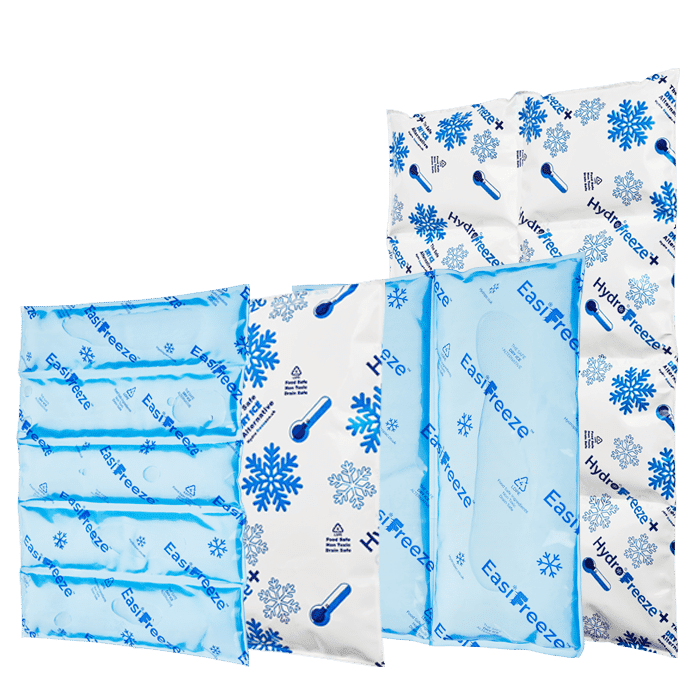
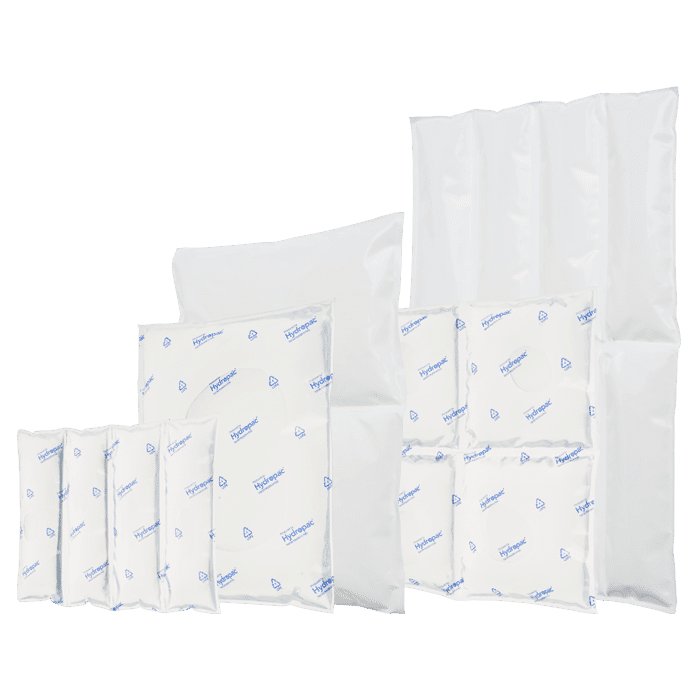
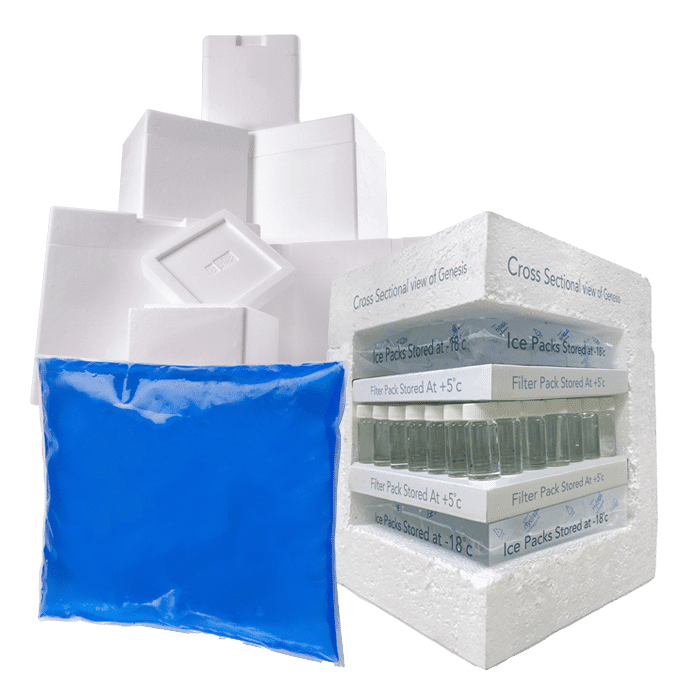
While monitoring systems play a key role in compliance, they must be paired with effective thermal protection. Hydropac offers specialised packaging solutions that help maintain product stability across variable supply chain conditions. From insulated containers to refrigerant gel packs, each component is designed to work in tandem with validated storage systems.
Our solutions support:
- Last mile delivery of high-value medications
- Long-distance transport of cold chain medicines
- Passive temperature control where active cooling is impractical
- Secure transit for sensitive items like blood samples and dry powder inhalers
This packaging approach helps reduce carbon footprint, enhance quality assurance and support regulatory compliance across pharmaceutical logistics operations.

Conclusion: safeguarding patient safety through compliance
The safe delivery of temperature-sensitive pharmaceutical products relies on more than refrigeration alone. It requires a consistent, validated system that aligns with regulatory standards, mitigates risk and protects the efficacy of medications from production to patient.
As temperature control regulations become more rigorous and global distribution networks grow more complex, maintaining regulatory compliance is not just a legal obligation. It is essential to patient safety, product integrity and industry reputation.
At Hydropac, we support this mission by providing temperature controlled packaging that complements your monitoring systems, meets GDP expectations and performs reliably across real-world logistics scenarios. Whether shipping vaccines, biologics or refrigerated medicines, our packaging solutions are designed to preserve quality, minimise risk and support the future of pharmaceutical logistics.
For organisations navigating complex cold chain logistics, our packaging systems offer both performance and peace of mind by protecting not just the product but the people who rely on it.