
Why pharmaceutical companies are shifting to subscription models
The pharmaceutical industry is undergoing a major transformation, moving beyond traditional one-time drug sales toward subscription-based models. This approach, where healthcare providers or governments pay a fixed fee for ongoing access to essential medicines, is changing how value, access and innovation are managed. Initially seen in the UK and US for antibiotics and high-cost treatments, the model is now expanding into broader therapeutic areas, offering stability for suppliers and accessibility for patients.
At Hydropac, we recognise the logistical demands that come with recurring medicine deliveries. Reliable, temperature-controlled packaging plays a critical role in ensuring product safety and compliance across every shipment. Through solutions such as PharmaPac, we help pharmaceutical partners maintain strict storage standards, reduce waste and improve efficiency in this evolving healthcare landscape.
Custom chilled solutions for you
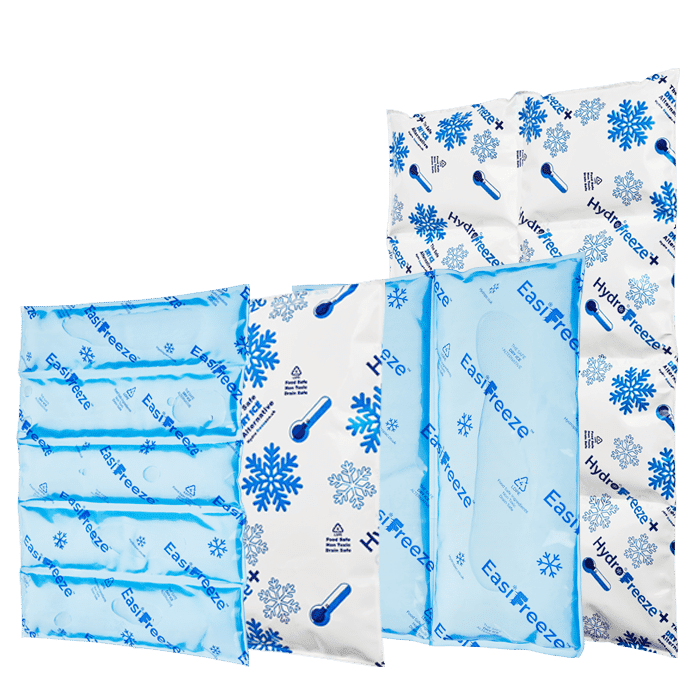
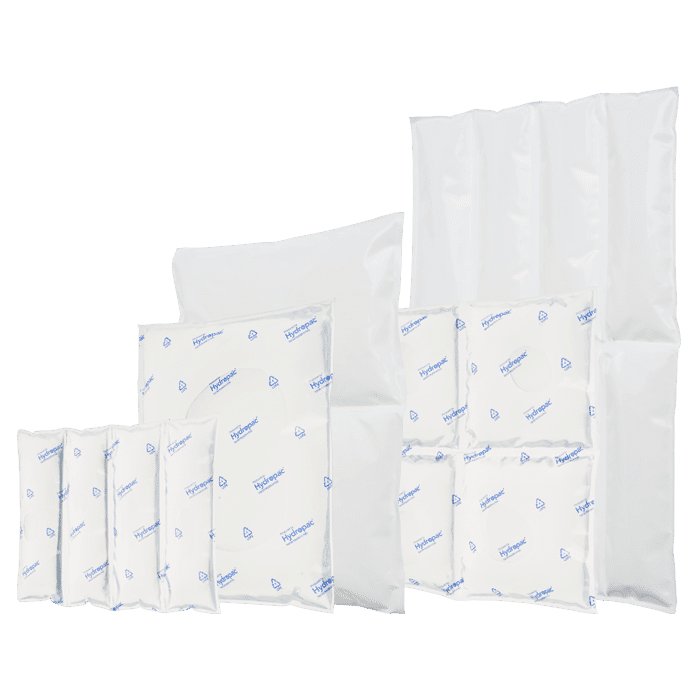
Hydropac offers every customer a customized solution for chilled and conditioned shipping. For example, we help a customer with limited freezing capacity to deliver gel packs frozen and ready to use, and we can manufacture almost all shapes and sizes of cooling elements. As a customer, you come first: we are here to help you.
The Rise of Subscription Models in Pharmaceuticals
The shift toward subscription models represents a fundamental change in how medicines are valued, distributed and consumed. Traditionally, pharmaceutical companies depended on sales volume to drive revenue. Now, the focus is moving towards long-term access agreements that reward innovation, stabilise budgets and ensure continuous patient care. This transition is most visible in areas like antimicrobial resistance and chronic disease management, where predictable supply and adherence are critical.
For healthcare systems such as the NHS, subscription purchasing provides a practical response to two major issues: ensuring affordable access to vital drugs and supporting research into medicines that are less profitable but essential for public health. For manufacturers, it creates a more reliable income stream and simplifies forecasting, allowing them to reinvest in research and infrastructure.
Why the Industry Is Embracing the Model
Several key factors are driving pharmaceutical companies toward subscription frameworks:
- Sustainable revenue: Predictable, fixed payments help companies avoid fluctuations linked to prescription volumes.
- Access equity: Ensures critical medicines like antibiotics are available even when demand is low, preventing supply shortages.
- Incentivised innovation: Governments and payers reward R&D for public health priorities, including treatments that may not generate high immediate sales.
- Enhanced patient support: Subscriptions enable direct patient relationships, allowing for proactive engagement and delivery scheduling.
The UK’s antibiotic subscription pilot, now expanded with a £100 million yearly budget, demonstrates this balance between innovation and access. By rewarding value instead of quantity, it sets a global precedent for responsible medicine distribution.
Packaging as the Backbone of Recurring Pharmaceutical Delivery
While subscription models transform the commercial side of healthcare, they also introduce new operational challenges. Medicines must be shipped repeatedly to pharmacies, clinics or directly to patients, often on a monthly basis. Each delivery must maintain Good Distribution Practice (GDP) compliance, uphold temperature integrity and arrive in perfect condition.
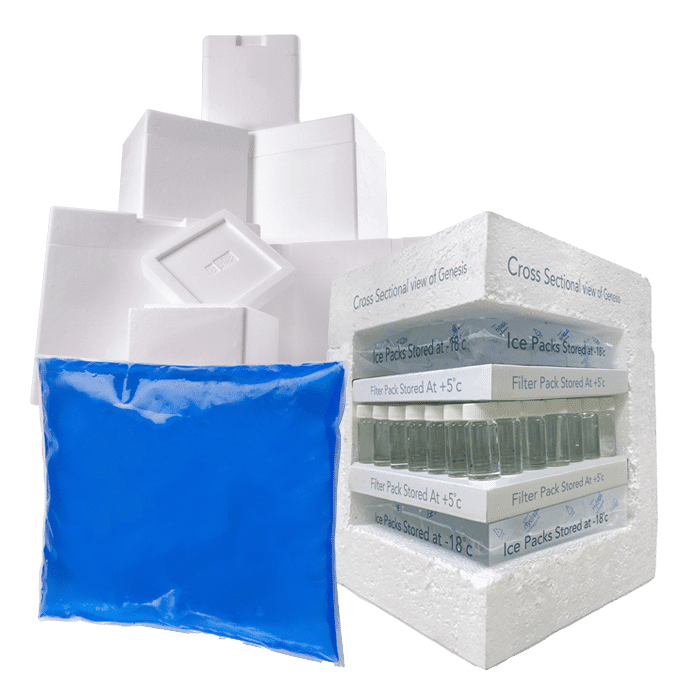
This is where reliable temperature-controlled packaging becomes essential. At Hydropac, our PharmaPac range is designed to meet these standards with precision. Using advanced insulation materials and cooling systems, PharmaPac protects temperature-sensitive pharmaceuticals across varied shipping conditions, ensuring that product quality and potency remain intact from dispatch to delivery.
Engineering for Repeated Performance
Each shipment in a subscription cycle must perform as consistently as the first. That requires validated packaging systems that can maintain precise temperature ranges, even under fluctuating external conditions. Hydropac’s packaging solutions are tested under climate chamber conditions, replicating the real-world temperature profiles seen in courier networks.
Core features include:
- Validated thermal insulation to maintain temperature for extended delivery windows.
- Seal-through-water manufacturing that ensures hygienic, leak-free packaging.
- Recyclable materials aligned with sustainability goals and new regulatory frameworks.
- Compatibility with data loggers and monitoring systems for traceable compliance.
By integrating performance and sustainability, Hydropac enables pharmaceutical companies to deliver recurring shipments safely while meeting EPR and EU PPWR environmental requirements.
Patient-Centric Logistics and the Role of Smart Packaging
Subscription-based supply creates opportunities for more connected and patient-focused care. Regular home deliveries depend on systems that prioritise safety, ease of use and clear communication. Modern packaging plays an important part in this shift, evolving beyond simple protection to become part of a wider digital ecosystem.
Smart packaging technologies such as temperature sensors, NFC-enabled labels and QR-coded instructions, can help track shipment conditions and support patient adherence. By integrating these technologies into validated thermal packaging, pharmaceutical providers can strengthen both product safety and patient experience.
Hydropac’s packaging portfolio supports this vision. From compact cold chain boxes for biologics to high-performance gel and water-based ice packs for long-distance transport, each component contributes to a reliable and patient-friendly delivery process.
Sustainability and Regulatory Alignment
As the volume of recurring shipments grows, sustainability becomes central to pharmaceutical logistics. Subscription models inherently increase the number of individual deliveries, which can raise environmental impact unless packaging is designed for circularity.
Hydropac’s eco-responsible materials and reusable systems minimise waste while meeting regulatory expectations. Packaging solutions are tested for recyclability and developed to align with UK EPR guidelines and EU PPWR standards. By using lightweight, recyclable materials, companies can reduce emissions without compromising on quality or GDP compliance.
External guidance and standards, such as the European Medicines Agency’s Good Distribution Practice (GDP) and the UK’s Packaging Extended Producer Responsibility framework, provide the foundation for these practices.

Conclusion
The shift toward subscription models in pharmaceuticals marks a significant evolution in how medicines are distributed, valued and delivered. By moving from volume-based sales to access-based agreements, pharmaceutical companies can stabilise revenue, promote innovation and ensure continuous patient care. This model also strengthens public health systems, particularly in areas like antibiotic resistance and chronic disease management.
However, success depends on more than commercial reform. Reliable, temperature-controlled packaging remains central to the model’s effectiveness. With validated solutions such as PharmaPac, Hydropac helps ensure that every recurring delivery maintains product integrity, meets GDP standards and supports environmental responsibility. As subscription models become the new norm, Hydropac’s expertise in cold chain logistics continues to safeguard both medicine quality and patient trust.