
The impact of urbanization on food distribution and storage
As cities grow denser and populations rise, the way food is stored, transported and delivered is rapidly evolving. Urbanisation is placing new demands on cold chain logistics, with tighter delivery windows, stricter emissions rules and greater emphasis on sustainability. For food producers, retailers and logistics providers, efficient urban food distribution is no longer just about speed but about maintaining freshness, safety and environmental compliance.
At Hydropac, we understand the complex relationship between urban growth and cold chain performance. Our FreshPac range of temperature-controlled packaging solutions supports reliable and sustainable food distribution in crowded urban environments, helping businesses meet modern delivery expectations while reducing waste and energy consumption.
Custom chilled solutions for you
Hydropac offers every customer a customized solution for chilled and conditioned shipping. For example, we help a customer with limited freezing capacity to deliver gel packs frozen and ready to use, and we can manufacture almost all shapes and sizes of cooling elements. As a customer, you come first: we are here to help you.
How Urbanisation is Transforming Food Logistics
Urbanisation is reshaping how food moves from producer to plate. With the majority of the UK population now living in urban areas, cities have become complex ecosystems where efficiency, sustainability and reliability are paramount. This shift affects every stage of the cold chain, from bulk storage to last-mile delivery, and creates a new set of challenges that demand innovative packaging and smarter logistics.
The Pressure of Density and Regulation
Urban centres like London, Manchester and Birmingham face congestion, restricted delivery hours and stringent environmental policies such as the Ultra Low Emission Zone (ULEZ). These conditions increase delivery times and costs while making temperature control more difficult. Shorter delivery routes may seem efficient, but constant stop-start traffic exposes chilled and frozen goods to fluctuating temperatures.
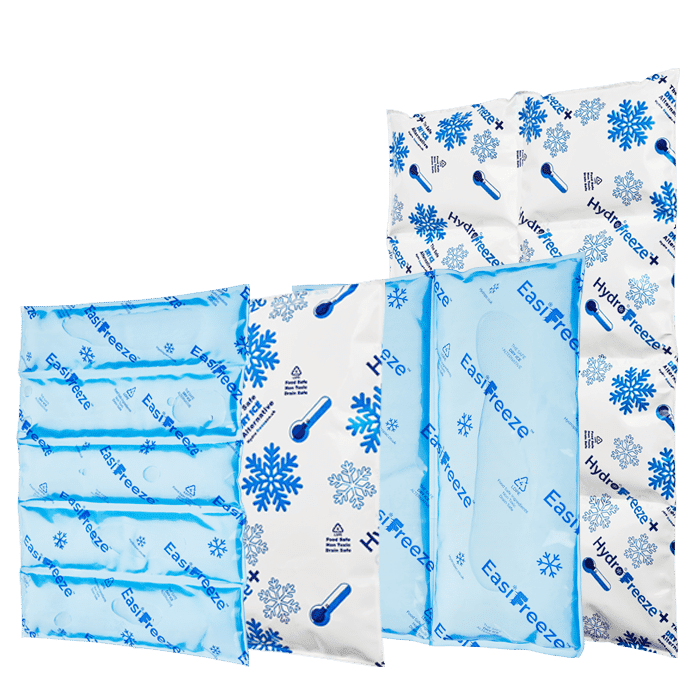
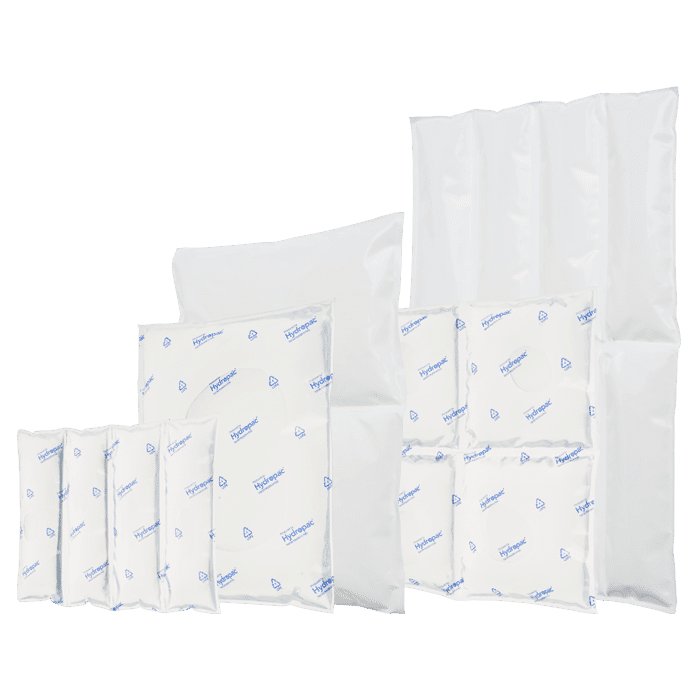
To address this, logistics providers are turning to micro-fulfilment centres and urban cold stores, smaller, strategically located hubs designed to reduce transit distances and energy consumption. Reliable, validated packaging, such as FreshPac insulated boxes paired with Hydropac’s Ice Packs, helps bridge the gap between these local storage points and consumers’ homes by maintaining thermal integrity throughout every stage of delivery.
The Need for Resilient Storage Systems
Urbanisation also places pressure on warehouse space. Rising rents and limited availability are forcing operators to invest in compact, energy-efficient cold storage systems. These systems rely on high-performance insulation materials and precise temperature monitoring to maintain product safety. Hydropac’s packaging technology complements these efforts, acting as a secondary layer of protection that supports consistent temperature control even in space-constrained facilities.
Hydropac’s use of seal through water technology ensures every pack is watertight and hygienic, making it suitable for densely packed storage and mixed food categories. This reliability helps businesses meet Food Standards Agency (FSA) requirements for food storage and distribution, ensuring compliance even under urban logistical constraints.
Sustainability and Urban Waste Challenges
Cities generate enormous volumes of packaging waste. With initiatives like the UK’s Extended Producer Responsibility (EPR) scheme and the EU Packaging and Packaging Waste Regulation (PPWR), businesses are now held accountable for how their packaging is recycled or reused.
Hydropac has responded with eco-friendly materials such as those found in its RecycleAir and EnviroCool systems, which combine thermal performance with recyclability. These packaging solutions minimise landfill contributions and simplify recycling in urban waste management systems, aligning with the broader goals of urban sustainability and circular economy principles.
Technology, Data and Traceability in the Urban Cold Chain
As food networks become more decentralised, maintaining visibility across storage and delivery routes becomes increasingly critical. Modern logistics operations are integrating IoT-enabled sensors and data loggers that track temperature, humidity and handling in real time. This technology not only supports compliance with Good Distribution Practice (GDP) but also allows companies to react quickly to temperature fluctuations, preventing spoilage and costly product losses.
Hydropac’s packaging systems are designed to work seamlessly with these monitoring technologies, enabling traceability from warehouse to doorstep. The ability to verify conditions across each delivery step strengthens consumer trust and ensures regulatory readiness.
Key Impacts of Urbanisation on Food Distribution
- Increased congestion leads to longer dwell times and temperature variability.
- Tighter environmental regulations demand cleaner transport and lighter, recyclable packaging.
- Rising energy costs drive investment in efficient micro-cold storage solutions.
- Consumer expectations for freshness and sustainability are higher than ever.
- Smarter packaging systems now act as both a barrier and a data source.
Building Urban Food Security with Smart Packaging
Urban food supply chains are vulnerable to delays, energy interruptions and storage bottlenecks. Packaging plays an essential role in mitigating these risks. By combining robust insulation, precisely calibrated ice packs, and validated cold chain performance, Hydropac ensures that food remains safe and compliant even under challenging city conditions.
The FreshPac range exemplifies this approach: it’s lightweight, fully tested, and optimised for both last-mile deliveries and bulk transport through congested areas. These systems help logistics providers meet sustainability targets while maintaining temperature stability from fulfilment hub to final destination.


Conclusion
Urbanisation is redefining the way food is stored, distributed and consumed. As cities grow more crowded and regulations tighten, the demand for efficient, sustainable and temperature-controlled food logistics continues to rise. The balance between maintaining product integrity and reducing environmental impact has never been more critical.
At Hydropac, we help businesses adapt to these urban challenges with expertly engineered cold chain packaging solutions. Through our FreshPac, RecycleAir and EnviroCool systems, we provide the reliability and sustainability needed for urban food networks to thrive. By combining validated performance with eco-conscious design, Hydropac supports a resilient, compliant and greener future for urban food distribution.