
How food preservation methods have evolved over time
From ancient drying and salting to today’s advanced cold chain logistics, the way we preserve food has always shaped how societies eat, trade, and stay healthy. Consumers now expect fresh produce, chilled meals, and safe pharmaceuticals to arrive in perfect condition, often after complex journeys through global supply chains. This evolution raises important questions about which preservation methods are still relevant, how they are regulated, and how packaging plays a central role in protecting quality.
At Hydropac, we have seen first-hand how innovations in preservation and temperature-controlled packaging have transformed industries. With solutions such as FreshPac for perishable foods, PharmaPac for medical and life sciences, and our range of ice packs, we contribute to extending shelf life and maintaining safety standards across diverse sectors. In this article, we explore how food preservation has evolved, what challenges remain, and how modern packaging continues to push boundaries.
Custom chilled solutions for you
Hydropac offers every customer a customized solution for chilled and conditioned shipping. For example, we help a customer with limited freezing capacity to deliver gel packs frozen and ready to use, and we can manufacture almost all shapes and sizes of cooling elements. As a customer, you come first: we are here to help you.
Traditional Preservation Methods
Food preservation has been central to human survival for thousands of years. Before the advent of refrigeration, communities relied on techniques such as drying, salting, smoking, and fermenting.
- Drying removed moisture, limiting microbial growth.
- Salting and brining created hostile conditions for bacteria, while also improving flavour.
- Smoking introduced antimicrobial compounds alongside gentle dehydration.
- Fermentation and pickling used acids or controlled microbial action to stabilise foods such as sauerkraut and pickled fish.
Although effective, these methods were labour-intensive and often altered the natural character of foods.
The Industrial Revolution and Scientific Breakthroughs
The 19th century brought radical changes in preservation methods.
Heat and Canning
Nicolas Appert’s pioneering canning method allowed food to be sealed and sterilised through heat treatment. This extended shelf life dramatically, though packaging materials and sealing techniques had to evolve over time to ensure consistency.
Pasteurisation
Louis Pasteur’s discovery that microorganisms cause spoilage led to pasteurisation. Controlled heating killed pathogens while maintaining nutritional value, especially for dairy. Today, pasteurisation remains a global standard for safety in milk, juices, and other sensitive products.
Early Cooling and Freezing
By the late 1800s, mechanical refrigeration and early freezers began to transform how perishable goods could be transported. This innovation laid the foundations for the modern cold chain.
Modern Preservation Techniques
Vacuum and Modified Atmosphere Packaging
By removing or altering oxygen levels, these technologies slow oxidation and microbial growth. Packaging became more than a container: it became an active preservation system.
High Pressure Processing (HPP)
Subjecting food to extreme pressure inactivates microorganisms without the need for high heat, helping retain natural colour, taste, and nutrition. Although costly, HPP is increasingly used in ready-to-eat meals and juices.
Intelligent Packaging
Recent advances include time–temperature indicators and sensor-enabled packaging. These technologies can signal when food safety may have been compromised, creating opportunities to reduce waste and protect consumers.
Packaging and the Cold Chain: Our Perspective
At Hydropac, we know that packaging is not passive. It is a vital tool for extending shelf life and maintaining safety.
FreshPac® for Perishables
Our FreshPac range, including EnviroCool and ReflectiveAir liners, offers insulation that reduces heat transfer during transit. This helps ensure fresh produce, fish, and meat arrive safely at their destination.
Ice Packs by Hydropac
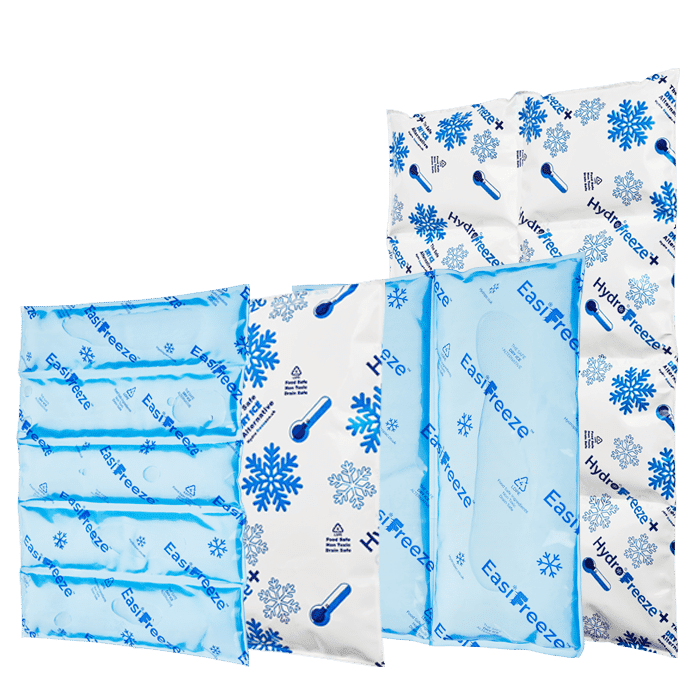
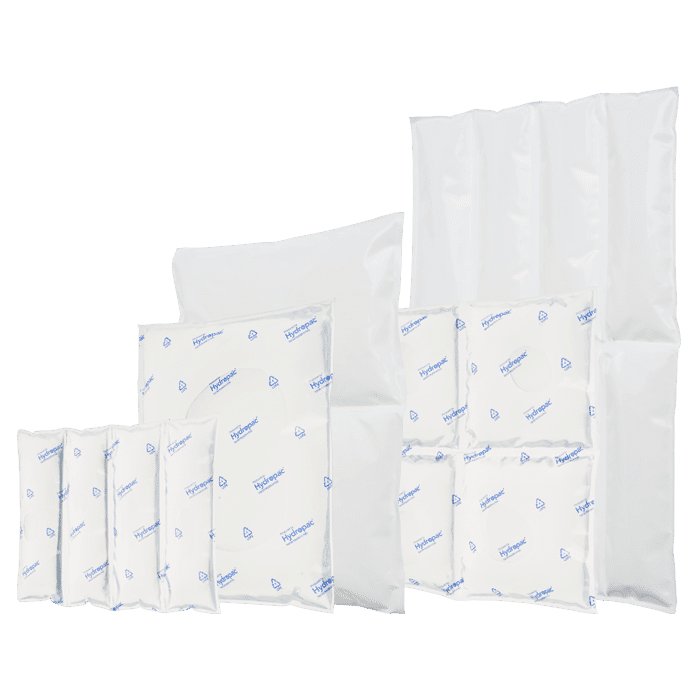
Our water-based and gel-based ice packs, produced using seal-through-water technology, provide reliable and hygienic cooling. These packs are used across both food and healthcare sectors, offering performance for up to 96 hours.
PharmaPac® for Medical Logistics
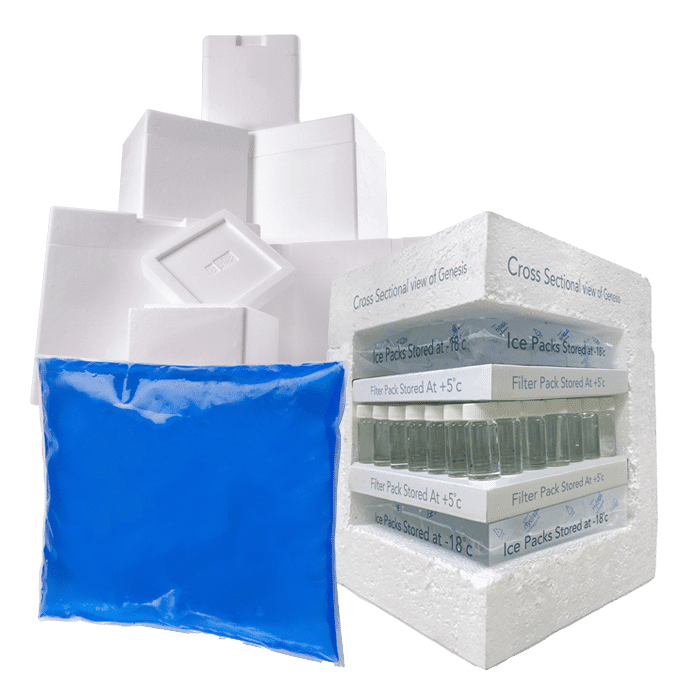
While designed for pharmaceuticals, PharmaPac demonstrates what validated, pre-qualified packaging can achieve. The same principles apply to food: proven temperature stability between 2–8 °C ensures sensitive goods remain safe in transit.

Current Challenges and Opportunities
Even with these advancements, challenges remain:
- Consumers increasingly demand less processed food with minimal preservatives.
- Regulations such as HACCP and ISO 22000 require robust systems for monitoring safety.
- Sustainability pressures mean packaging must be recyclable or reusable, without compromising performance.
- Global supply chains add complexity, requiring reliable cold chain solutions across long distances.
Our commitment to recyclable materials, such as RecycleAir liners, reflects how packaging innovation can meet both environmental and safety objectives.
Key Takeaways
- Preservation methods have evolved from traditional techniques to advanced scientific processes.
- Packaging and cold chain logistics are now at the centre of maintaining real-world shelf life.
- Hydropac’s FreshPac, PharmaPac, and Ice Packs families contribute to bridging the gap between preservation theory and practical distribution.
- The future lies in combining sustainability with validated performance, ensuring food remains safe and fresh without unnecessary waste.
Relevant references:
Conclusion
The journey of food preservation has moved from simple practices such as drying and salting to sophisticated technologies that include validated cold chain systems and intelligent packaging. What has not changed is the essential need to protect food quality, extend shelf life, and ensure consumer safety.
At Hydropac, we recognise that packaging is now as important as the preservation method itself. Our FreshPac, PharmaPac, and Ice Packs ranges are designed to safeguard sensitive goods, support compliance with strict regulations, and align with sustainability goals. By combining scientific principles with innovative packaging, we help industries meet the challenges of modern preservation and deliver products that remain safe, fresh, and reliable throughout their journey.