
Does freezing food really preserve nutrients?
The rise of frozen food has sparked ongoing debate about nutritional value. Consumers often question whether freezing preserves the goodness in their food or if essential vitamins are lost somewhere between the freezer and the plate. With food waste reduction, sustainability, and convenience driving demand for frozen products, understanding the nutritional impact of freezing has become more important than ever.
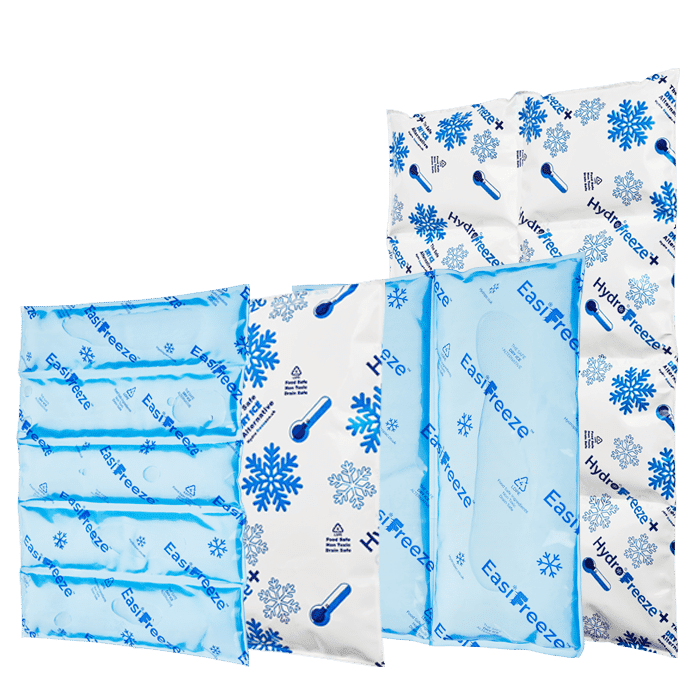
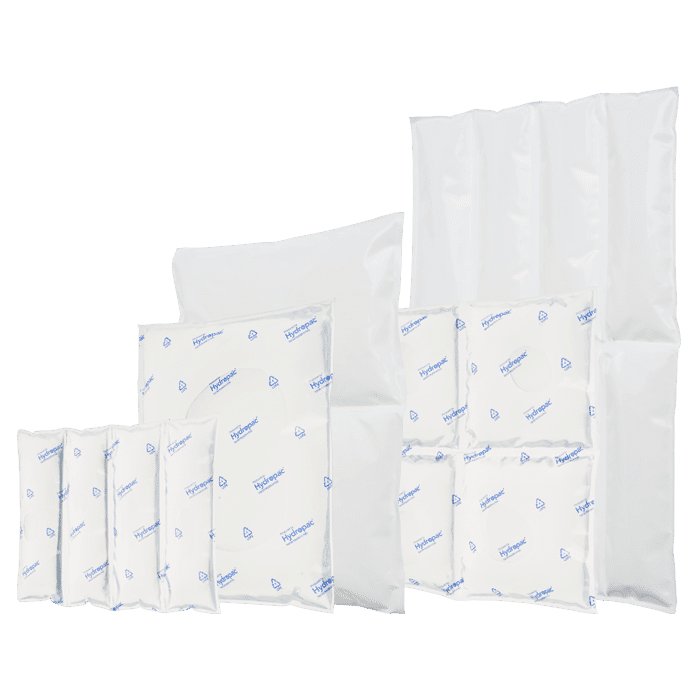
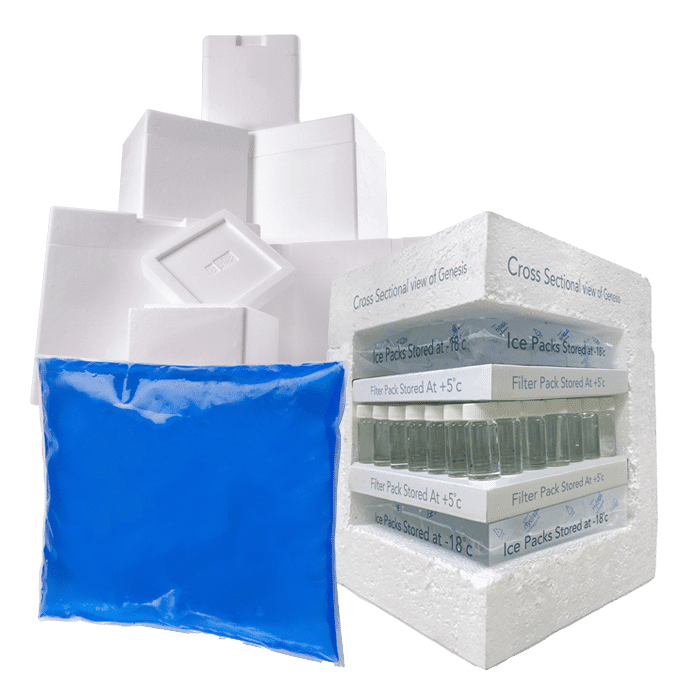
In cold chain logistics, where temperature stability is critical, the role of packaging becomes central to nutrient preservation. Hydropac, a UK leader in temperature-controlled packaging, supports this process by engineering thermal solutions that maintain consistent freezing conditions throughout the supply chain. Their products, including FreshPac and Ice Packs by Hydropac, help manufacturers and retailers deliver frozen goods without compromising on food quality or safety.
Custom chilled solutions for you
Hydropac offers every customer a customized solution for chilled and conditioned shipping. For example, we help a customer with limited freezing capacity to deliver gel packs frozen and ready to use, and we can manufacture almost all shapes and sizes of cooling elements. As a customer, you come first: we are here to help you.
Understanding How Freezing Affects Nutritional Value
Freezing is widely recognised as a safe and efficient way to preserve food. However, not all nutrients respond in the same way to cold storage. While freezing can significantly slow the degradation of vitamins and minerals, the extent of preservation depends on the freezing process, the packaging used, and how the food is stored.
Nutrients That Are Well Preserved
Most minerals and fat-soluble vitamins such as A, D, E, and K remain stable throughout freezing. Fibre, protein, and antioxidant levels are also generally unaffected. In many cases, frozen vegetables and fruits can retain more nutrients than fresh produce that has spent several days in transit or on shelves before being consumed.
Nutrients That May Degrade
Water-soluble vitamins, particularly vitamin C and certain B vitamins, are more sensitive to temperature changes. If the freezing process is too slow or the product experiences thawing during storage or delivery, these nutrients can degrade more rapidly.
The Science of Freezing and Nutrient Retention
Ice Crystal Formation and Cellular Damage
When freezing is not performed quickly enough, large ice crystals can form within the food, damaging the cellular structure. This can lead to a loss of texture and allow nutrients to leach out during thawing. Rapid freezing, such as cryogenic or blast freezing, prevents this by producing smaller crystals that preserve cell integrity and nutrient content.
Blanching Before Freezing
Vegetables are often blanched before freezing to inactivate enzymes that cause spoilage. While blanching can result in a small loss of vitamin C, it helps maintain colour, flavour, and nutritional quality during frozen storage.
Why Packaging Plays a Critical Role
Packaging has a direct influence on nutrient retention by protecting food from oxygen, moisture, light, and temperature fluctuations. Poor packaging can lead to freezer burn, dehydration, and oxidation, all of which reduce the nutritional and sensory quality of frozen foods.
Key Packaging Functions for Nutrient Preservation
- Preventing oxygen ingress to reduce oxidation
- Blocking light to avoid degradation of light-sensitive vitamins
- Maintaining low temperatures during transport and storage
- Preventing moisture loss and structural damage
Hydropac’s FreshPac systems are designed with these challenges in mind. Their insulation technologies, such as ReflectiveAir and EnviroCool, maintain consistent freezing conditions while minimising thermal shock. Paired with Ice Packs by Hydropac, which hold temperature for extended periods, these solutions support nutrient preservation throughout last-mile delivery.

Use Cases in Cold Chain Logistics
Retail and Meal Kit Delivery
Frozen meal kit services rely heavily on reliable thermal packaging to maintain product integrity. Temperature excursions during transit can lead to textural damage and nutrient degradation. Hydropac’s tailored systems help maintain the required temperature window from dispatch to doorstep, preserving both food quality and nutritional value.
Food Manufacturing and Export
For producers shipping frozen goods across long distances, consistent low temperatures are essential. Hydropac’s water-based and gel-based refrigerant packs, engineered to retain freezing temperatures for up to 96 hours, allow exporters to maintain product quality during extended transit.
Clinical and Specialised Nutrition
In clinical nutrition and dietary-sensitive applications, preserving the full nutrient profile is especially important. Packaging solutions that prevent freeze–thaw cycles and oxygen exposure are critical. PharmaPac by Hydropac, though primarily designed for pharmaceutical use, shares thermal protection characteristics that align with this goal.
Summary: Factors That Influence Nutrient Preservation
Here is a breakdown of the key variables that determine how well nutrients are preserved during freezing:
- Freezing speed: Faster freezing reduces cellular damage
- Temperature control: Consistent storage below −18 °C is ideal
- Packaging quality: Prevents oxidation, dehydration, and nutrient loss
- Handling and thawing: Proper thawing protects vitamins and texture
- Nutrient type: Fat-soluble vitamins and minerals are more stable than water-soluble ones
Further Reading:
- European Food Information Council – Freezing Foods for Quality and Safety
- NHS – Tips on Freezing and Defrosting Food Safely
Conclusion
Freezing food can be an effective way to preserve both nutritional value and shelf life, provided that the process is handled with care. While some water-soluble vitamins may diminish slightly, many other nutrients remain well protected when freezing is done quickly and temperatures are consistently maintained.
Packaging plays a vital role in this equation. Without robust thermal insulation and reliable temperature control, even high-quality frozen food risks losing both its texture and nutritional benefits. Hydropac’s cold chain solutions, such as FreshPac and Ice Packs by Hydropac, are engineered to support these exact requirements. By maintaining freezing conditions during storage and transport, they help ensure that food reaches consumers with its nutritional integrity intact.
For food manufacturers, retailers, and delivery services striving to meet both quality and sustainability standards, well-designed packaging is not just an operational detail but a nutritional safeguard.