
How Direct-to-Consumer Food Brands Are Changing the Industry
In recent years, direct-to-consumer (D2C) food brands have reshaped the way people buy, experience and trust food. By cutting out traditional retail middlemen, these brands build closer relationships with consumers, offering transparency, sustainability and personalisation. From premium meal kits to fresh produce boxes, D2C companies are driving innovation across packaging, logistics and product design.
At Hydropac, we understand how critical temperature-controlled packaging is to the success of this model. As D2C brands grow, the need for efficient, recyclable and reliable cold chain solutions becomes more pressing. Hydropac’s insulated packaging systems and cooling products help safeguard freshness, reduce waste and ensure every delivery arrives in perfect condition.
Custom chilled solutions for you
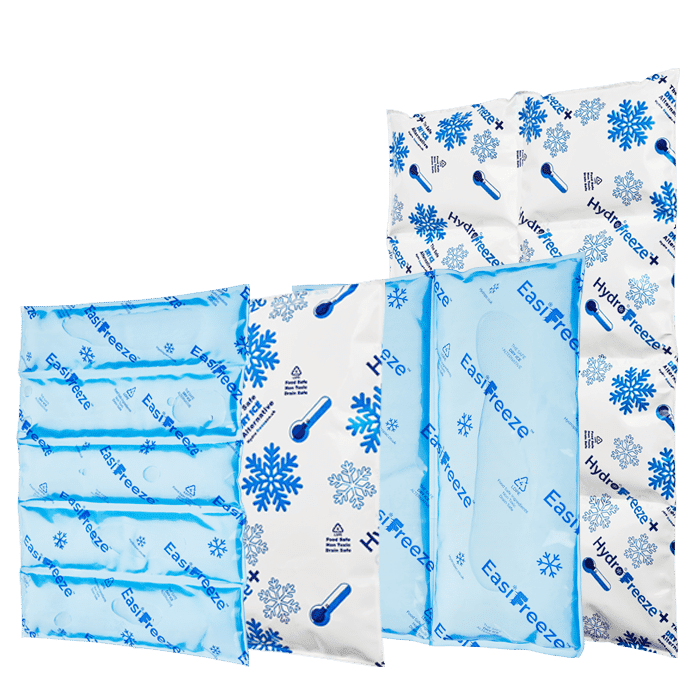
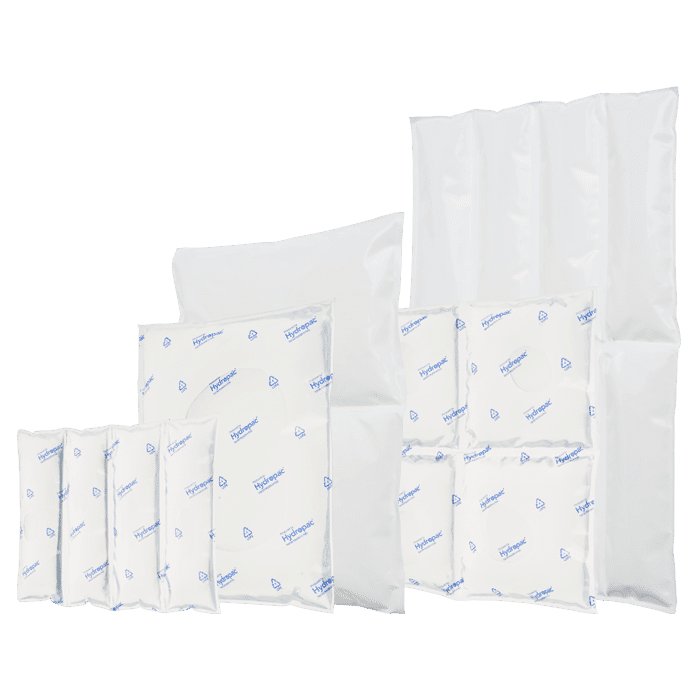
Hydropac offers every customer a customized solution for chilled and conditioned shipping. For example, we help a customer with limited freezing capacity to deliver gel packs frozen and ready to use, and we can manufacture almost all shapes and sizes of cooling elements. As a customer, you come first: we are here to help you.
The Direct-to-Consumer Food Revolution
The rise of direct-to-consumer (D2C) food brands marks a fundamental shift in how food reaches customers. No longer confined to supermarkets or wholesalers, D2C producers now engage directly with consumers online, offering customisable boxes, meal kits and farm-to-door deliveries. This new supply chain offers greater transparency and control but also introduces logistical and temperature-management challenges.
Many D2C brands focus on freshness, convenience and sustainability, three factors that heavily depend on packaging performance. Maintaining consistent product quality throughout the last mile requires packaging that can balance thermal insulation, cost-efficiency and environmental responsibility.
Shifting Consumer Priorities
Modern consumers are highly informed, sustainability-minded and willing to pay for brands that align with their values. A report by WRAP found that nearly 70% of UK consumers consider packaging recyclability when purchasing groceries. This expectation drives D2C brands to rethink packaging not just as protection, but as a reflection of their ethics.
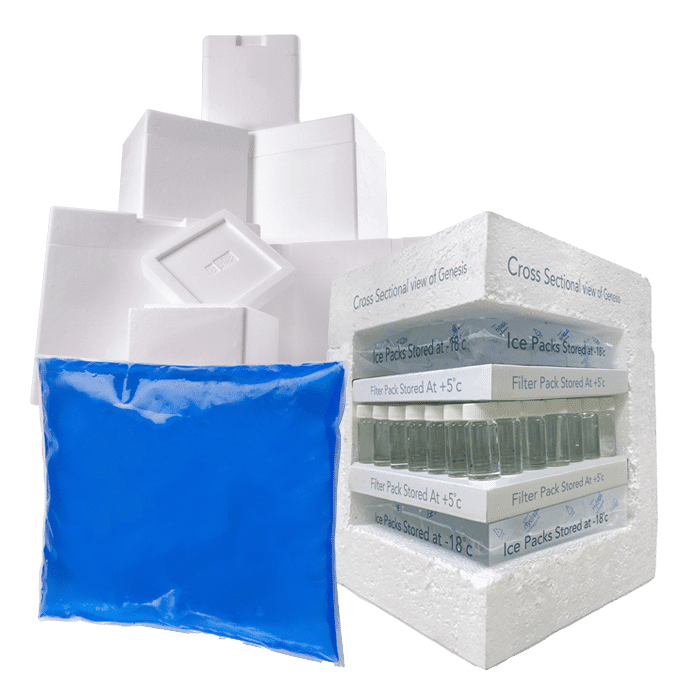
Hydropac’s FreshPac range, including solutions like EnviroCool, RecycleAir and ReflectiveAir, offers a clear path forward. These systems combine advanced insulation with sustainable materials that minimise waste while keeping products safe within required temperature ranges.
Key drivers behind D2C food innovation include:
- Sustainability: Demand for recyclable and biodegradable materials is pushing brands toward eco-conscious packaging.
- Temperature assurance: Reliable cooling is critical for maintaining freshness and food safety during transport.
- Customer experience: Unboxing has become a brand moment, where clean, well-designed packaging communicates quality.
- Regulatory compliance: Adherence to UK and EU food packaging standards, including EPR and PPWR, is non-negotiable.
The Cold Chain Challenge
For temperature-sensitive foods, cold chain management is the cornerstone of product integrity. Unlike traditional retailers, D2C brands rely on couriers rather than controlled warehouses, making packaging performance even more important. Every parcel must act as a mini cold store, maintaining precise conditions until the customer opens it.
Hydropac’s temperature-controlled packaging, such as Ice Packs by Hydropac, ensures consistent thermal performance during transport. Using our seal through water technology, these packs deliver hygienic, leak-free cooling suitable for both chilled and frozen shipments. Combined with FreshPac insulation, they create a complete cold chain solution tailored for D2C logistics.
A robust cold chain system helps to:
- Maintain food safety and prevent bacterial growth.
- Extend product shelf life and freshness.
- Minimise spoilage-related returns and customer dissatisfaction.
- Meet Food Standards Agency (FSA) guidelines for perishable goods.
Regulations and Responsible Design
The evolving UK Extended Producer Responsibility (EPR) scheme and the upcoming EU Packaging and Packaging Waste Regulation (PPWR) are forcing brands to take ownership of packaging impact. These regulations prioritise recyclability, accurate labelling and responsible end-of-life management.
Hydropac’s recyclable materials and closed-loop production systems align with these policies, supporting brands that aim for compliance and environmental leadership. Packaging innovations like RecycleAir help reduce carbon emissions and material waste while still maintaining validated insulation standards.
Engineering and Innovation
Behind the success of D2C food logistics lies engineering precision. Packaging must address radiant, conductive and convective heat transfer, which can alter food quality during transit. Hydropac’s Climate Chamber testing ensures our systems perform reliably under real-world temperature fluctuations. By simulating UK seasonal conditions, we validate that packaging holds the correct temperature for the full courier cycle.
These technologies provide D2C brands with confidence in their logistics chain, combining product integrity with sustainability and cost control.

Conclusion
The rise of direct-to-consumer food brands represents one of the most dynamic transformations in the modern food industry. By connecting producers directly with customers, these businesses are redefining convenience, quality and sustainability. Yet, this success depends heavily on the reliability of cold chain systems and the performance of temperature-controlled packaging.
At Hydropac, we support this evolution with expertly engineered solutions that ensure freshness, compliance and environmental responsibility. Through innovative ranges like FreshPac, PharmaPac and Ice Packs by Hydropac, we help D2C brands protect product integrity while meeting growing expectations for sustainability and efficiency. In an industry driven by trust and transparency, dependable packaging remains the key to every successful delivery.