
How climate change is affecting food and medicine supply chains
Climate change is no longer a distant risk; it is already reshaping how food and medicines move through supply chains in the UK and beyond. Rising temperatures, extreme weather, and disrupted transport networks increase the likelihood of spoilage, shortages, and safety incidents. For perishable foods and temperature-sensitive medicines, these pressures are particularly acute.
As Hydropac, we see daily how cold chain logistics and temperature-controlled packaging are becoming more critical in the face of a warming climate. Heatwaves demand longer cooling durations, transport delays test the limits of insulated packaging, and regulators are tightening expectations for validated, sustainable systems. With product families such as FreshPac, PharmaPac, and our range of ice packs, we are at the frontline of helping industries adapt.
In this article, we explore how climate change is influencing the resilience of food and medicine supply chains, which standards are shaping responses, and how packaging innovation can mitigate these risks while aligning with sustainability goals.
Custom chilled solutions for you
Hydropac offers every customer a customized solution for chilled and conditioned shipping. For example, we help a customer with limited freezing capacity to deliver gel packs frozen and ready to use, and we can manufacture almost all shapes and sizes of cooling elements. As a customer, you come first: we are here to help you.
Climate Change and Supply Chain Vulnerability
Climate change is intensifying the risks faced by food and medicine supply chains. The UK has already seen evidence of this, with the 2022 heatwave disrupting transport networks and testing cold storage systems. Higher ambient temperatures accelerate microbial growth in food and reduce the stability of medicines, which creates pressure across production, storage, and distribution. Extreme weather such as flooding or storms adds further uncertainty, interrupting supply routes and limiting availability of essential goods.
Food Supply Challenges
Food products are highly sensitive to fluctuations in temperature. Meat, dairy, fish, and ready-to-eat salads must remain below 5 °C to remain safe. Even short-term deviations can create health risks or shorten shelf life. Warmer summers and transport delays make compliance harder to achieve, particularly for last-mile deliveries.
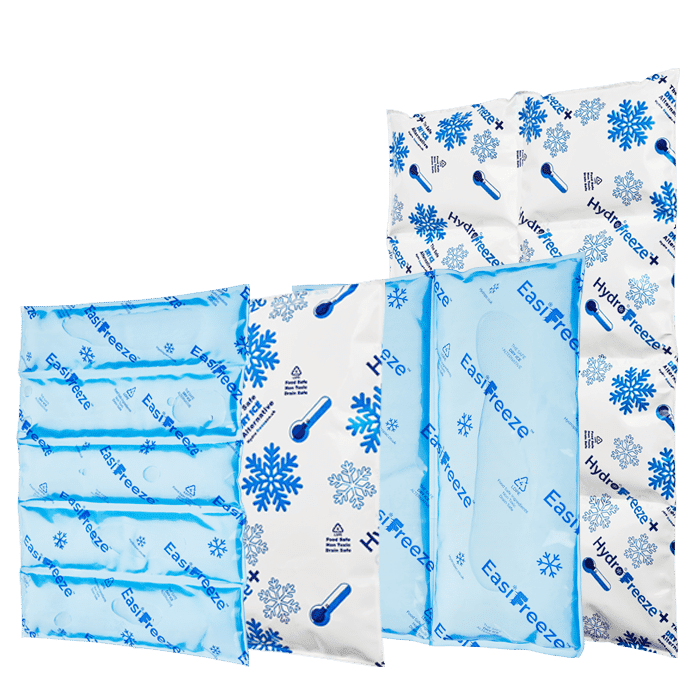
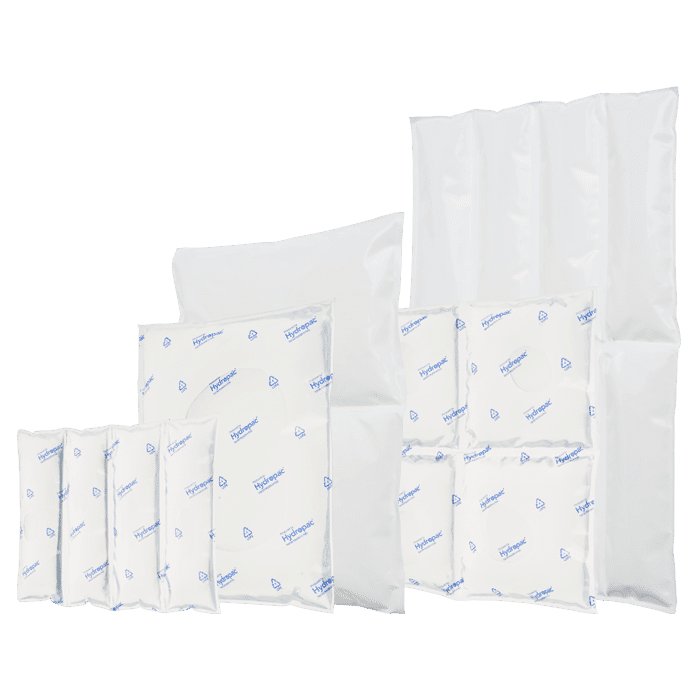
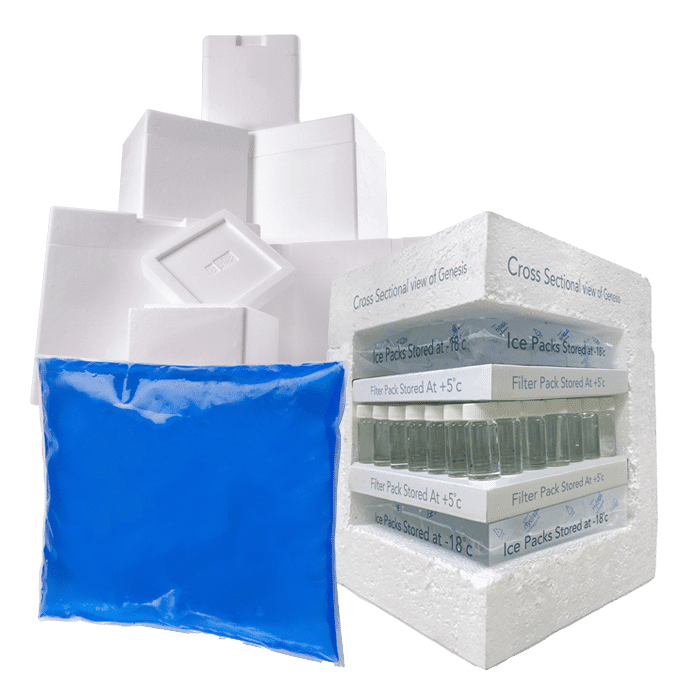
Packaging plays a pivotal role in protecting products during these conditions. Insulated liners and ice packs are essential for bridging the gap between storage facilities and consumers, especially when external temperatures are high. For example, our FreshPac systems are designed to maintain stable temperatures during extended transit windows, which is becoming increasingly relevant as climate-related heat stress grows.
Medicine Supply Chain Pressures
Medicines and vaccines are equally exposed to climate volatility. Under EU GDP guidelines, temperature-sensitive pharmaceuticals must remain strictly within their labelled ranges, often 2–8 °C. Seasonal planning is already a regulatory expectation, meaning logistics operators must anticipate summer extremes and build additional resilience into their systems.
In this context, validated packaging is critical. Products such as PharmaPac are pre-qualified to maintain stability even in challenging environments, reducing the risk of costly excursions. At the same time, regulatory bodies expect robust documentation, including evidence of route validation and temperature monitoring, which raises the bar for compliance.
Regulation, Sustainability, and Innovation
In the UK, food safety legislation requires chilled food to be stored at 8 °C or below, with 5 °C strongly recommended. The pharmaceutical sector demands equally rigorous standards, and both industries must now adapt to the added complexity of climate change. Packaging is no longer judged only on performance: it must also meet sustainability requirements.
The UK’s Extended Producer Responsibility scheme for packaging, due to be fully rolled out in the coming years, compels businesses to account for recyclability and environmental impact. For us, this means that recyclable solutions such as RecycleAir are not just desirable but increasingly necessary. Balancing thermal performance with sustainability is one of the central engineering challenges of our time.

Engineering for Resilience
Climate change is forcing supply chains to design for extremes rather than averages. Systems must hold products safe during unexpected delays, traffic standstills, or prolonged exposure to heat. This demands:
- High-performance insulation to resist thermal ingress
- Phase change materials with extended hold times
- Validated solutions to demonstrate compliance under worst-case conditions
- Recyclable materials to meet new sustainability standards
By adopting these principles, supply chains can reduce waste, protect consumers, and remain compliant even as environmental conditions become more volatile.
Key Takeaways
- Climate change is increasing the frequency and severity of supply chain disruptions in the UK.
- Food and medicine are especially at risk due to strict temperature requirements.
- Regulations such as GDP for medicines and FSA food safety guidance demand stronger resilience in practice.
- Packaging must deliver both validated thermal performance and environmental responsibility.
- Hydropac’s solutions, from FreshPac for food to PharmaPac for pharmaceuticals, provide examples of how packaging supports compliance in a changing climate.
Conclusion
Climate change is reshaping how food and medicine supply chains must operate, making resilience a priority rather than an option. Higher temperatures, extreme weather, and infrastructure stress all increase the risk of spoilage and shortages, placing greater demands on cold chain logistics.
At Hydropac, we recognise that packaging is one of the most effective tools to bridge these gaps. By combining validated performance with recyclable designs, we help supply chains stay compliant with regulations while adapting to harsher conditions. The challenges ahead are complex, but with robust cold chain solutions and innovative packaging, industries can safeguard safety, reduce waste, and continue to deliver critical goods even in an uncertain climate.