
How AI and big data are improving sustainability in supply chains
At Hydropac, we recognise that modern supply chains face mounting pressure to balance operational efficiency with environmental responsibility. As global emissions rise and regulatory frameworks tighten, the need for smart, sustainable logistics has never been more urgent.
Artificial intelligence (AI) and big data analytics are reshaping how supply chains operate, delivering real-time visibility, predictive insights, and carbon-efficient decision-making. From forecasting demand to optimising routes and monitoring cold chain compliance, these technologies are enabling supply chain partners to minimise waste and reduce their environmental impact.
In this article, we examine how AI and big data are advancing sustainable supply chain management. We’ll explore key applications, from emissions reduction and predictive maintenance to traceability and packaging innovation, highlight where temperature-controlled packaging fits within this evolving digital ecosystem. Backed by industry research and real-world examples, this blog offers a clear view into the future of eco-efficient logistics.
Custom chilled solutions for you
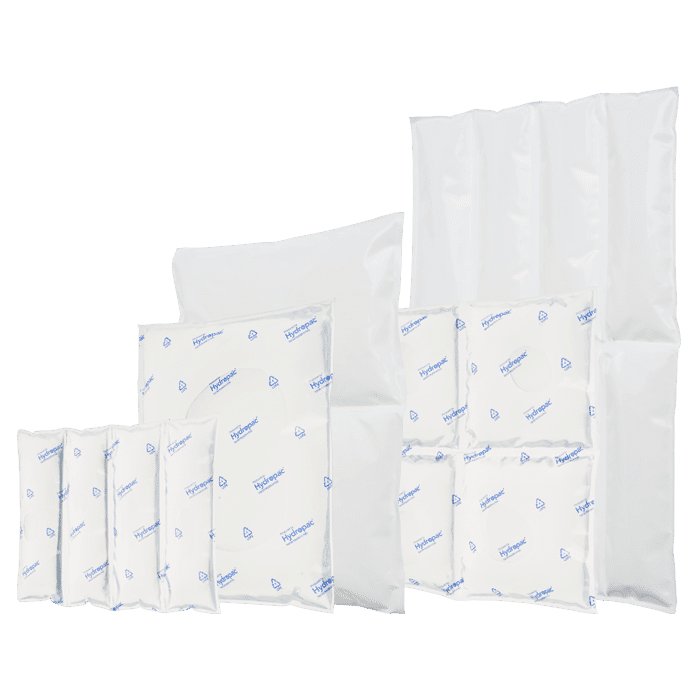
Hydropac offers every customer a customized solution for chilled and conditioned shipping. For example, we help a customer with limited freezing capacity to deliver gel packs frozen and ready to use, and we can manufacture almost all shapes and sizes of cooling elements. As a customer, you come first: we are here to help you.
Emissions reduction through AI-enabled logistics optimisation
One of the most impactful uses of artificial intelligence in supply chain operations is the optimisation of transport routes. Machine learning algorithms analyse real-time traffic, weather patterns, and fuel efficiency to determine the most environmentally sound delivery options. This reduces not only journey time but also fuel consumption and carbon emissions.
A recent study published in ResearchGate showed that AI-based systems for route optimisation in logistics could reduce emissions by up to 20%, particularly when integrated with real-time tracking systems and IoT sensors in temperature-sensitive logistics.
Hydropac’s smart packaging solutions can be integrated into these systems to ensure perishable or pharmaceutical goods are not only delivered efficiently, but also under optimal thermal conditions—supporting sustainability and compliance in last-mile logistics.
Predictive analytics for inventory and waste reduction
Inventory mismanagement is a major driver of food waste and resource inefficiency, especially in the food and healthcare sectors. AI-powered forecasting tools now allow companies to adjust production schedules, reduce overstocking, and align distribution with actual demand.
Using predictive analytics, businesses can also pre-empt equipment failures and ensure that refrigeration units and temperature-controlled containers are functioning within safe parameters, an essential factor in cold chain logistics.
Hydropac’s packaging systems support this model by offering high-performance insulation that complements predictive maintenance tools, ensuring stable internal conditions even when equipment is under strain.
Enhancing supply chain transparency through blockchain and AI
AI combined with blockchain technology is revolutionising traceability in global supply networks. By offering immutable records and decentralised data verification, blockchain systems allow stakeholders to track every movement of goods, ensuring ethical sourcing, temperature consistency, and sustainability certifications.
For temperature-sensitive goods, integrating blockchain with AI and sensor-based packaging ensures product integrity, regulatory compliance, and accountability across complex supply routes. This is particularly valuable in the food and pharmaceutical sectors, where shelf life and safety are non-negotiable.
Improving supplier selection and resilience with data
Sustainable supply chain management relies on selecting the right partners. AI can analyse supplier performance across environmental, ethical, and efficiency metrics. Helping companies identify vendors that align with their ESG goals. This enhances supply chain resilience and reduces risk exposure from unsustainable practices.
Hydropac works with clients to ensure packaging aligns not only with thermal protection needs, but also with broader sustainability objectives, including recyclability, reuse, and integration with data-driven logistics systems.


Conclusion: smart technology for smarter sustainability
Artificial intelligence and big data analytics are no longer future-facing concepts, they are active enablers of sustainable operations across global supply chains. By improving forecasting, reducing emissions, enhancing transparency, and strengthening supply chain resilience, these technologies support businesses in making more informed, eco-conscious decisions.
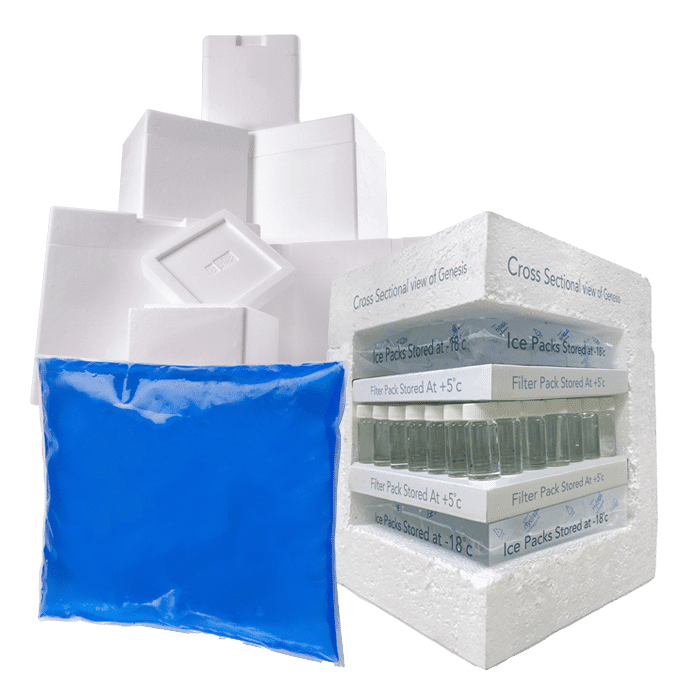
At Hydropac, we believe that innovation must serve both efficiency and environmental impact. Our temperature-controlled packaging solutions are designed not only for performance, but also for integration into AI-enhanced logistics systems. Whether used in conjunction with IoT monitoring, predictive analytics, or blockchain verification, our packaging plays a key role in reducing spoilage, improving traceability, and supporting greener transport models.
As supply chains grow more complex and climate challenges intensify, companies need partners who understand both the technical and ecological dimensions of sustainable logistics. Hydropac continues to develop solutions that help our clients stay ahead, smarter, cleaner, and more future-ready with every delivery.