
How long do ice packs last in transit
Maintaining temperature stability during transit remains one of the most persistent challenges in modern logistics. Whether transporting fresh food or temperature-sensitive pharmaceuticals, the question of how long ice packs last is central to product safety and compliance. The answer is rarely straightforward, as performance depends on packaging design, environmental conditions, and the nature of the goods being shipped. Manufacturers such as Hydropac have refined this process by developing integrated solutions that combine high-performance ice packs with validated packaging systems, helping businesses achieve consistent results across increasingly complex supply chains.
Custom chilled solutions for you
Hydropac offers every customer a customized solution for chilled and conditioned shipping. For example, we help a customer with limited freezing capacity to deliver gel packs frozen and ready to use, and we can manufacture almost all shapes and sizes of cooling elements. As a customer, you come first: we are here to help you.
What Determines How Long Ice Packs Last?
Ice pack duration is not a fixed timeframe but a result of several interacting variables. In most standard applications, ice packs can last between 12 and 48 hours, though this can extend significantly with optimised packaging systems.
Ambient Temperature and External Conditions
External temperature is one of the most influential factors. Higher ambient temperatures increase the rate of heat transfer into the package, reducing the effective lifespan of the ice packs. Seasonal fluctuations and last-mile delivery conditions can introduce significant variability, particularly in direct-to-consumer distribution.
Insulation and Packaging Design
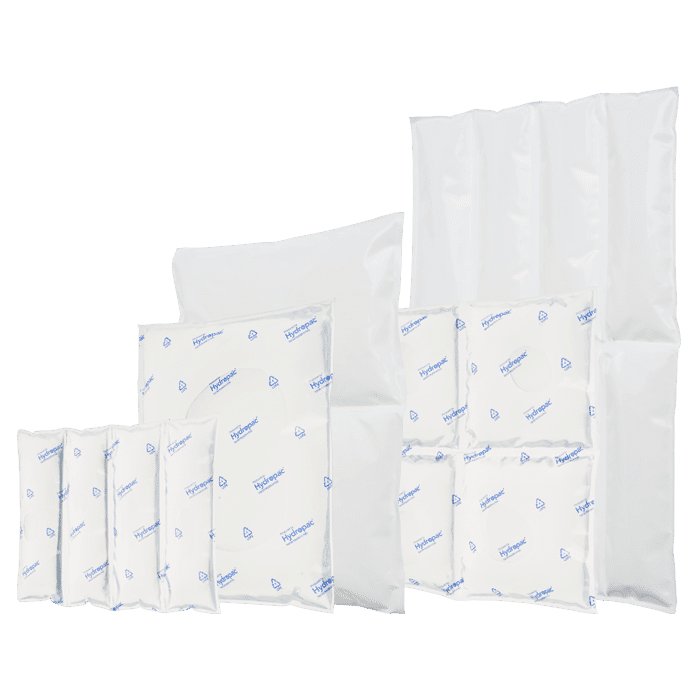
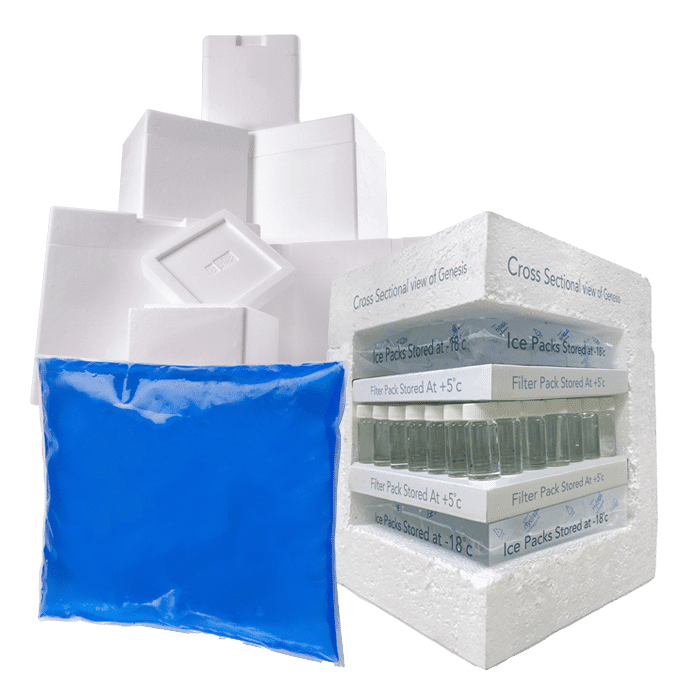
The quality of insulation plays a critical role in preserving internal temperatures. Solutions such as insulated liners and EPS containers reduce thermal exchange and extend cooling duration. Hydropac’s system-based approach, seen in ranges like FreshPac, integrates insulation with carefully selected refrigerants to deliver predictable performance.
Ice Pack Size and Formulation
Not all ice packs perform equally. Larger packs and those with advanced gel formulations have a higher latent heat capacity, allowing them to absorb more thermal energy during transit. Hydropac’s water-based Ice Packs are engineered for consistent cooling, while specialised solutions within PharmaPac are designed for tighter temperature tolerances.
Product Load and Pre-Conditioning
The temperature and volume of the shipped goods also influence performance. Pre-chilled products help maintain a stable internal environment, whereas warm contents place additional demand on the cooling system. Proper pre-conditioning of ice packs, including freezing to the correct temperature, is essential for optimal results.
Typical Performance Across Industries
Different sectors have distinct requirements, which directly affect how long ice packs need to last.
Food and Meal Delivery
In the food sector, chilled goods must typically remain between 0°C and 5°C. Meal kits and fresh produce deliveries often rely on packaging systems designed for 24-hour performance, with sufficient buffer to account for delivery delays.
Pharmaceuticals and Healthcare
Pharmaceutical logistics operate under stricter conditions. Products such as vaccines and biologics often require a controlled range of 2°C to 8°C, in line with Good Distribution Practice guidelines. In these cases, packaging systems like PharmaPac are validated to maintain temperatures for extended periods, often exceeding 48 hours.
Laboratory and Clinical Shipments
Smaller consignments, such as diagnostic samples, require precise thermal control despite lower shipment volumes. These applications often depend on compact, high-performance gel packs combined with efficient insulation.


The Role of Packaging Systems in Extending Duration
Ice packs alone do not determine performance. Their effectiveness depends on how they are integrated into a complete packaging system.
Key Design Considerations
- Strategic placement of ice packs to ensure even temperature distribution
- Use of multi-layer insulation to reduce heat ingress
- Matching pack quantity and size to transit duration and payload
- Pre-conditioning protocols tailored to the shipment profile
Hydropac’s solutions are developed with these principles in mind, ensuring that products such as and function as part of a validated whole rather than standalone components.
Scientific Principles Behind Ice Pack Performance
At the core of ice pack functionality is the concept of phase change. As the gel transitions from solid to liquid, it absorbs heat from its surroundings, maintaining a lower temperature inside the package.
This relationship shows that the amount of heat absorbed depends on the mass of the material and its latent heat capacity. Advanced gel formulations are designed to optimise this process, allowing for longer and more controlled cooling.
Other important factors include:
- Thermal conductivity of packaging materials
- Surface area contact between ice packs and products
- Phase change temperature, which can be tailored for specific applications
These engineering considerations are particularly important in pharmaceutical logistics, where even minor deviations can compromise product efficacy.
Sustainability and Efficiency Considerations
As cold chain logistics evolves, sustainability has become a key concern. Businesses are increasingly seeking solutions that balance performance with environmental responsibility.
Hydropac addresses this through:
- Water-based gel formulations that reduce environmental impact
- Reusable and recyclable packaging components
- Efficient pack designs that minimise excess weight and material use
This approach allows companies to maintain temperature integrity while aligning with broader sustainability goals.
Conclusion
The lifespan of ice packs in transit depends on far more than the packs themselves. It is the result of a carefully engineered system that considers insulation, environmental conditions, product characteristics, and regulatory requirements. While standard ice packs may last between 12 and 48 hours, well-designed solutions can extend this significantly, ensuring reliability across diverse applications.
By combining technical expertise with in-house manufacturing and validated system design, Hydropac supports industries where temperature control is critical. Their integrated approach enables businesses to navigate the complexities of modern cold chain logistics with confidence, maintaining product quality from dispatch through to delivery.