
Are expiration dates on food accurate or misleading?
Expiration dates are a familiar part of every food package, yet many consumers misunderstand what they truly mean. Confusion between “best before” and “use by” labels contributes to millions of tonnes of unnecessary food waste in the UK each year, while also raising concerns about safety, regulation, and consumer trust. Research has shown that the real shelf life of food often differs from what is printed on the label. Packaging quality and reliable temperature control are critical in narrowing this gap.
At Hydropac, we specialise in temperature-controlled packaging for sectors such as food, healthcare, and pharmaceuticals. By designing and manufacturing solutions like FreshPac for perishable goods, PharmaPac for medical logistics, and our range of ice packs, we help products remain safe and stable throughout the cold chain. Drawing on our experience, we want to explore whether expiration dates are accurate or misleading, and how the right packaging can support better outcomes for both consumers and industry.
Custom chilled solutions for you
Hydropac offers every customer a customized solution for chilled and conditioned shipping. For example, we help a customer with limited freezing capacity to deliver gel packs frozen and ready to use, and we can manufacture almost all shapes and sizes of cooling elements. As a customer, you come first: we are here to help you.
Understanding the Difference Between “Best Before” and “Use By”
In the UK and across Europe, regulations require food products to carry either a “best before” or “use by” date. The difference is crucial.
- Best before: an indicator of quality. Food may still be safe to eat after this date, but texture, flavour, or appearance could be diminished.
- Use by: a strict safety cut-off. Food should not be consumed after this date due to risks of microbial growth.
Despite clear definitions, many consumers misinterpret the labels, discarding food that is still edible or, in some cases, unknowingly consuming products past a safe window. As a result, food waste and safety concerns are both linked to how expiration dates are applied and understood.
Why Expiration Dates Can Mislead
Manufacturers assign expiry dates based on laboratory testing under controlled conditions. However, real-life distribution is rarely as precise. Temperature fluctuations, handling errors, and inadequate packaging often shorten the actual shelf life. Conversely, when products are stored under optimal conditions, they may last significantly longer than the label suggests.
This creates a paradox. Labels must be conservative to protect consumer safety, but conservatism often leads to avoidable waste. At Hydropac, we see packaging as the missing link that helps bring real-world performance closer to laboratory expectations.
The Role of Cold Chain and Packaging
The cold chain is vital for food safety and shelf life. From the moment a product leaves production until it reaches the consumer, any break in temperature control accelerates spoilage. Our work at Hydropac centres on keeping products within strict thermal limits, regardless of external conditions.
For example:
- FreshPac® solutions are engineered for perishable foods. Insulating liners like EnviroCool and ReflectiveAir help slow heat transfer, ensuring that chilled and frozen items remain at safe temperatures for extended transit times.
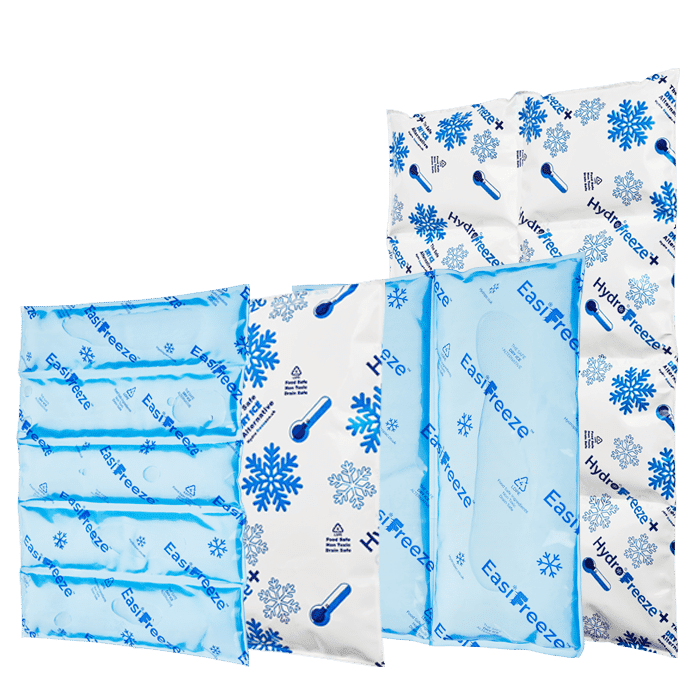
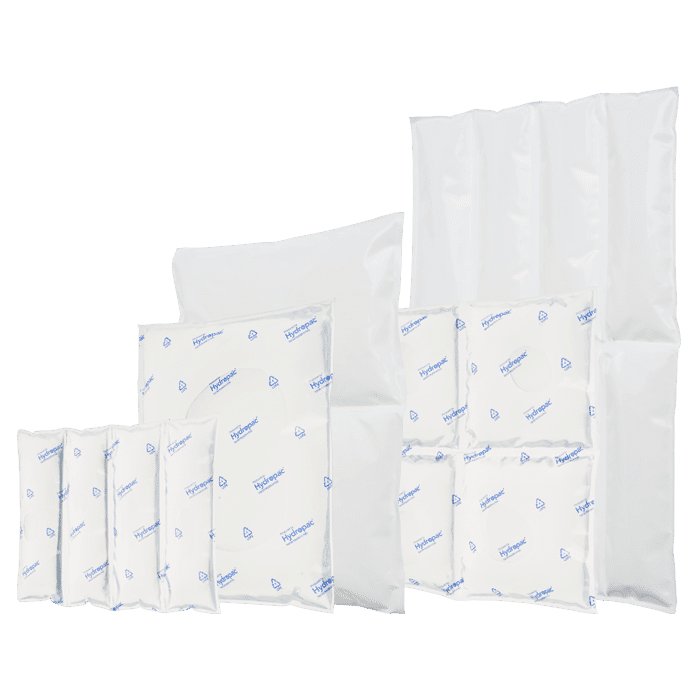
- Ice Packs by Hydropac provide reliable phase change performance. With our seal-through-water technology, packs are hygienic, leak-proof, and capable of maintaining stable conditions during critical points in distribution.
- PharmaPac® is pre-qualified to meet pharmaceutical standards, but the same principles apply to food. Validated performance gives assurance that products remain within 2–8 °C or frozen ranges, no matter the journey.
By combining these systems, we extend effective shelf life in transit, reduce the risk of premature spoilage, and help expiration dates remain accurate guides rather than worst-case assumptions.

Scientific and Technical Perspectives
Shelf life is influenced by microbiological growth, enzymatic activity, and chemical changes, all of which are temperature dependent. For chilled meats and ready-to-eat salads, even small deviations above 5 °C can trigger rapid bacterial growth. For frozen goods, maintaining sub-zero stability prevents ice crystal formation and texture loss.
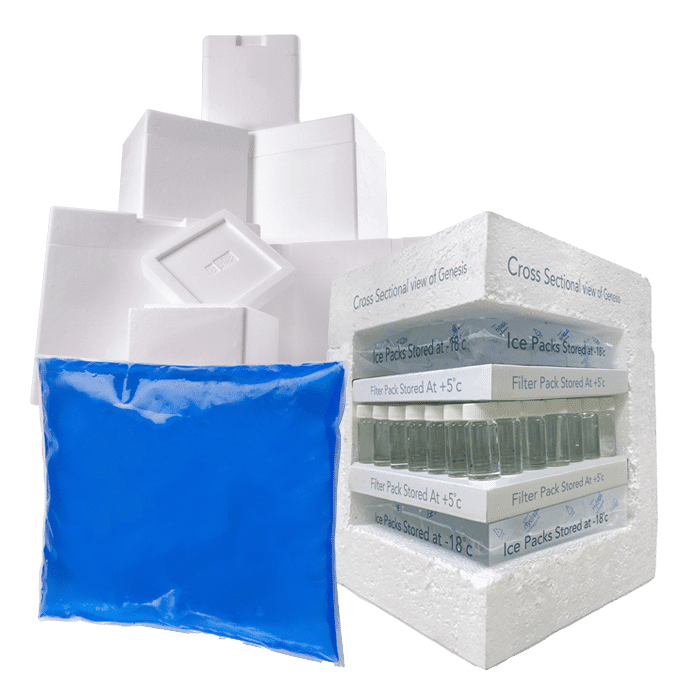
Our packaging solutions are tested to replicate these scenarios. Passive systems, such as our FreshPac insulated boxes with ice packs, can maintain performance for up to 96 hours. This means food arrives in conditions close to those in controlled laboratory shelf life studies, aligning the labelled expiry date with actual consumer safety.
Reducing Waste Through Smarter Practices
A significant share of food waste occurs because consumers discard food based on dates rather than condition. Better education is essential, but packaging can also take a proactive role. Time–temperature indicators and smart labels are technologies that the industry is exploring. While not yet widespread, we are attentive to their potential integration with insulated packaging.
Our commitment to recyclable and reusable solutions, such as RecycleAir liners, ensures that improved shelf life management does not come at the expense of sustainability. With 99% of our products being recyclable, we are helping partners meet both environmental and safety goals.
Key Takeaways for Industry
- Expiration dates are conservative by design, but packaging and cold chain management can reduce the gap between printed and actual shelf life.
- Confusion between “best before” and “use by” labels continues to drive unnecessary waste.
- Pre-qualified and validated packaging systems, such as PharmaPac, ensure high-risk products remain within safe temperature ranges.
- Eco-conscious solutions like RecycleAir prove that sustainability and shelf life performance can go hand in hand.
Relevant references:
- Food Standards Agency – Best before and use by dates
- European Commission – Date marking and food waste prevention
Conclusion
Expiration dates are an essential safeguard, yet they are not always the most reliable reflection of food safety or quality. Misinterpretation of labels continues to cause waste, while gaps in cold chain management can undermine the validity of even the strictest expiry dates.
At Hydropac, we believe the solution lies in strengthening the connection between regulation, science, and packaging. By developing temperature-controlled systems such as FreshPac, PharmaPac, and our range of ice packs, we help ensure that food and sensitive goods maintain their integrity throughout distribution. Combined with clearer labelling practices and ongoing innovation, the industry can reduce waste, improve safety, and deliver greater confidence to consumers.