
How companies can reduce their carbon footprint in logistics
As the pressure to decarbonise intensifies across the logistics sector, companies are grappling with how to meet ambitious climate goals without compromising performance. From government mandates to shifting customer expectations, reducing emissions is no longer optional, especially in complex, temperature-sensitive supply chains.
One area of untapped potential lies in the packaging itself. The materials, formats, and refrigerants chosen for transporting goods have a measurable impact on both carbon output and operational efficiency. In the food, healthcare and pharmaceutical sectors, where cold chain logistics are non-negotiable, the challenge is sharper still.
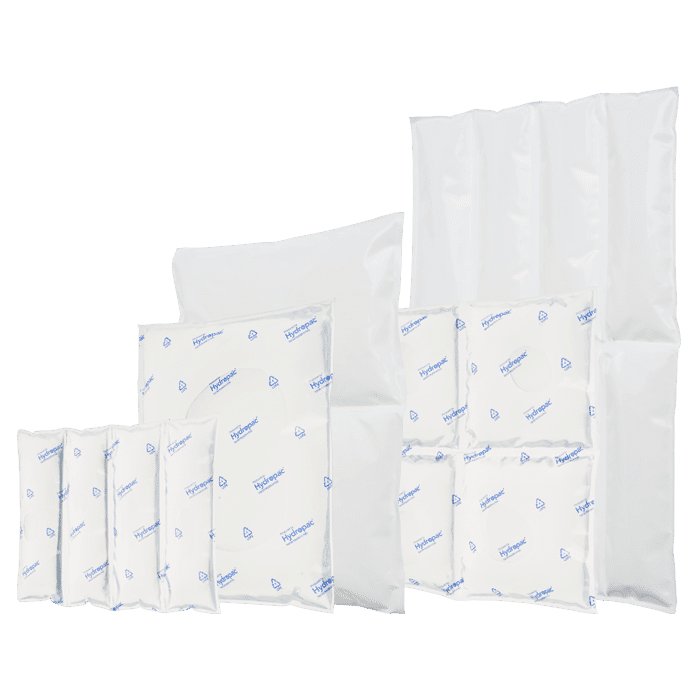
Hydropac, a UK leader in temperature-controlled packaging, is helping logistics providers rethink their environmental footprint without sacrificing thermal integrity. Their recyclable materials, leak-proof gel packs, and custom-engineered systems (like FreshPac and PharmaPac) offer a blueprint for logistics that is both high-performing and climate-conscious.
Custom chilled solutions for you
Hydropac offers every customer a customized solution for chilled and conditioned shipping. For example, we help a customer with limited freezing capacity to deliver gel packs frozen and ready to use, and we can manufacture almost all shapes and sizes of cooling elements. As a customer, you come first: we are here to help you.
Understanding the Carbon Cost of Logistics
The logistics sector is responsible for a significant share of global emissions, particularly through freight transport, packaging waste, and last-mile delivery inefficiencies. According to the UK Government’s Climate Change Committee, freight transport alone contributes over a third of domestic transport emissions.
Beyond transport, packaging plays a crucial role in a company’s environmental footprint. The materials used, the volume shipped, and the recyclability of the packaging all feed directly into scope 3 emissions reporting under the Greenhouse Gas Protocol. In sectors like food delivery and pharmaceutical shipping, temperature-controlled packaging can be both a necessity and a source of environmental strain.
Companies are now expected to account for the full lifecycle of their logistics decisions. That includes selecting packaging solutions that reduce waste, conserve resources, and support circular economy models.
Regulatory Pressures and Emerging Standards
A range of UK and international regulations is pushing companies toward greener logistics practices:
- Plastic Packaging Tax (UK): Applied to plastic packaging containing less than 30% recycled content, this encourages the shift to sustainable materials.
- Extended Producer Responsibility (EPR): From 2025, businesses will be fully responsible for the packaging they place on the market, including its collection, sorting, and recycling.
- Carbon Reduction Plans: Required by public sector buyers in the UK, these plans force suppliers to disclose and reduce emissions related to their operations and supply chains.
- GHG Protocol and ISO 14064-1: These frameworks standardise emissions accounting across scopes 1, 2 and 3, increasingly adopted by logistics providers and packaging manufacturers alike.
Hydropac’s use of recyclable materials and in-house manufacturing helps customers align with these requirements. Products such as Recycle-Air™ and EnviroCool® offer high thermal performance using materials that meet compliance expectations under these frameworks.
Sustainable Packaging in Cold Chain Logistics
Temperature-controlled supply chains are among the most difficult to decarbonise. Packaging must maintain strict thermal conditions, sometimes for over 48 hours, while withstanding handling, transport, and varied climates.
Hydropac addresses this challenge with advanced insulation systems and refrigerant options tailored for both the food and pharmaceutical sectors:
PharmaPac and the Pharmaceutical Sector
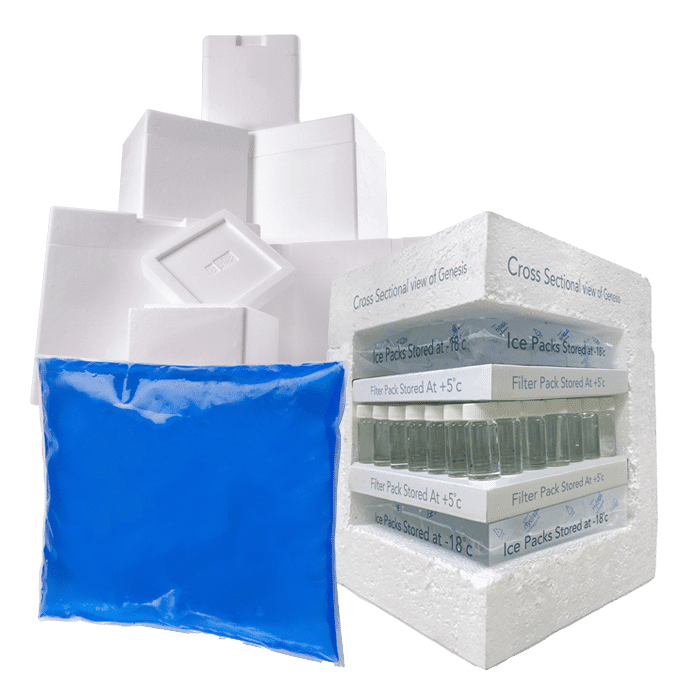
Pharmaceutical logistics demand compliance with GDP (Good Distribution Practice) and MHRA guidance. PharmaPac is designed to meet these requirements, using pre-qualified thermal systems and leak-proof gel packs that maintain temperatures over long durations. Products like Hydropac’s Genesis boxes integrate high-performance insulation with minimal weight, reducing emissions linked to air and road transport.
FreshPac for Food and Retail Logistics
FreshPac offers packaging solutions for chilled and frozen food products. Using innovative insulation such as ReflectiveAir™ and polystyrene boxes with mitred-seal technology, these systems retain temperature integrity while reducing material bulk. The seal-through-liquid manufacturing method also eliminates the need for bulky seams or adhesives, making packs more efficient to produce and recycle.


Practical Strategies for Reducing Emissions through Packaging
By rethinking packaging choices, logistics companies can significantly reduce their carbon footprint. Below are key strategies being adopted across sectors:
- Use of high-performance insulation to reduce weight and improve fuel efficiency
- Switching from virgin plastics to recycled content in compliance with UK tax regulations
- Integrating recyclable gel or water-based refrigerant packs
- Implementing returnable or reusable packaging schemes
- Choosing packaging formats optimised for volume efficiency to cut emissions per shipment
Hydropac supports each of these strategies. Their ice pack range, for instance, includes long-lasting refrigerants like HydroFreeze™ and EasiFreeze™, which maintain performance for up to 96 hours, reducing the need for additional cooling layers or oversized containers.
Scientific Insights: Engineering for Efficiency
The performance of thermal packaging is influenced by insulation coefficient, material conductivity, phase-change characteristics of refrigerants, and external variables such as ambient temperature. Hydropac’s engineers consider these scientific parameters during the development process, ensuring each product is both thermally efficient and environmentally responsible.
For example, their seal-through-water technology prevents leaks while minimising material use. This reduces not only waste but also the embodied carbon associated with reworks, spoilage, and package failure.
Further Reading:
Conclusion
As the pressure to decarbonise intensifies across industries, logistics operations are being redefined through smarter choices. From vehicle electrification to data-driven routing, companies are finding new ways to cut emissions. One of the most accessible and impactful tools in this process is packaging. In temperature-sensitive supply chains, the right packaging can reduce emissions, conserve materials, and ensure compliance with regulatory standards.
Hydropac continues to lead this evolution. Through their use of recyclable materials, efficient insulation systems, and innovative manufacturing methods, they help clients in the food, healthcare, and pharmaceutical sectors meet sustainability targets without compromising thermal integrity. By combining engineering expertise with a strong focus on environmental responsibility, Hydropac offers a practical and effective path towards lower-carbon logistics.