
Gel Packs: The Evil Twin to Water Packs – Environmental Hazard!
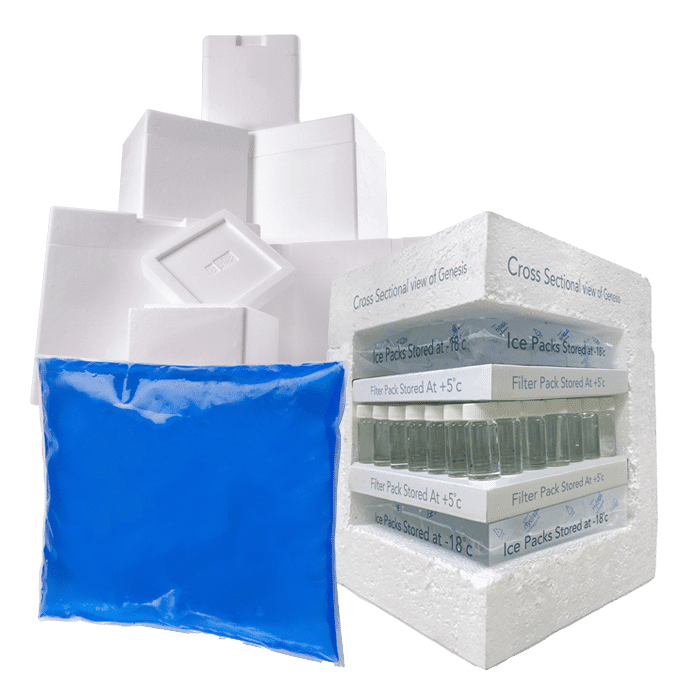
They seem harmless, even helpful—those soft, squishy gel ice packs tucked into your grocery deliveries or medicine shipments. But beneath their cool surface lies a growing environmental concern that’s often overlooked.
While consumers and businesses are becoming increasingly conscious of eco-friendly packaging, many remain unaware that gel-based ice packs are not the green solution they appear to be. With opaque compositions, questionable disposal methods, and potential toxicity, gel packs may be doing more harm than good to the environment—and possibly to our health.
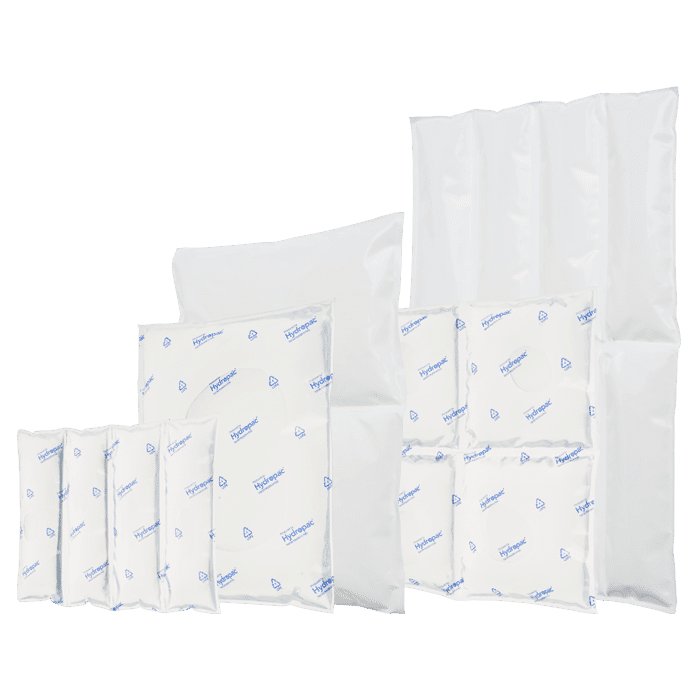
In contrast, water-based cooling packs, especially those engineered with sustainable Phase Change Materials (PCMs), offer a safer, simpler, and more transparent alternative. Companies like Hydropac have embraced this innovation, creating packs that are not only efficient at maintaining cold temperatures but also align with modern sustainability values.
This blog will explore why gel packs are increasingly seen as environmental villains, how they compare to water-based alternatives, and what businesses can do to make better choices for the planet and their customers.
Custom chilled solutions for you
Hydropac offers every customer a customized solution for chilled and conditioned shipping. For example, we help a customer with limited freezing capacity to deliver gel packs frozen and ready to use, and we can manufacture almost all shapes and sizes of cooling elements. As a customer, you come first: we are here to help you.
The Hidden Environmental Burden of Gel Packs
While gel packs are widely used in cold chain logistics and home deliveries, their convenience masks a deeper environmental problem. From unclear chemical compositions to poor recyclability, gel packs are increasingly being scrutinized by sustainability advocates—and for good reason.
Composition and Degradability
Gel packs typically consist of a plastic shell filled with synthetic polymers such as sodium polyacrylate or hydroxyethyl cellulose. These substances are engineered to retain cold temperatures through gel-like consistency, but:
- They are not biodegradable.
- Their chemical composition is often proprietary, making it difficult to assess toxicity or environmental impact.
- If punctured or leaking, the gel can contaminate water supplies or soil, with unknown ecological effects.
Even worse, many gel packs are marketed as “non-toxic” without independent certification, contributing to a form of greenwashing that misleads well-intentioned consumers and businesses.
Source:
Environmental Literacy Council – How to Recycle Gel Ice Packs
Disposal and Recycling Issues
Because gel packs are made of mixed materials, they are not accepted by most municipal recycling programs. Their layered construction—gel inside flexible plastics—renders them virtually impossible to process in standard recycling streams.
Common disposal methods include:
- Throwing them in general waste, leading to landfill buildup.
- Flushing the gel contents, which is discouraged due to potential waterway pollution.
- Freezing and reusing, which only delays eventual waste.
In contrast, water-based packs or phase change materials (PCMs) are often safer to dispose of, thanks to their food-safe ingredients and recyclable outer shells.
Source:
GreenField ESG – How to Recycle Gel Ice Packs
Health and Safety Risks
Apart from environmental damage, gel packs also pose risks to human and animal health. There have been multiple instances where:
- Children or pets ingested the contents, mistaking them for food or play gel.
- Gel leakage in shipments led to contamination of pharmaceutical or perishable products.
- Mishandled disposal resulted in chemical exposure for waste workers.
Because the gels are designed to stay cold, they often contain additives that can be irritants or harmful if absorbed through the skin or ingested.
A Safer Alternative: Phase Change Materials (PCMs)
Enter Phase Change Materials—substances that absorb or release heat during phase transitions (like melting or freezing), offering precise temperature control without environmental compromise.
Why PCMs are a better alternative:
- Non-toxic and food-safe: Many PCMs are made with FDA-approved ingredients.
- Reusable: Unlike single-use gel packs, PCMs maintain performance over many cycles.
- Eco-friendly disposal: Some PCMs are water-soluble and come in LDPE (recyclable) casings.
This makes them ideal not only for sustainability, but also for sensitive applications in the pharmaceutical and food sectors—especially when companies like Hydropac offer versions that are fully recyclable and safe to drain.
Source:


Conclusion: A Smarter Way to Cool
As awareness around packaging waste grows, gel ice packs are becoming harder to justify. Their synthetic contents, limited recyclability, and disposal challenges make them a poor fit for a sustainability-driven market.
By contrast, water-based cooling solutions—like those developed by Hydropac—offer a cleaner and more responsible alternative. Hydropac’s products are non-toxic, reusable, recyclable, and safe to dispose of. They’re engineered not just for performance, but for minimal environmental impact.
For companies transporting temperature-sensitive goods, switching to Hydropac means aligning with both regulatory demands and environmental expectations—without sacrificing reliability.
The future of cold chain packaging is clear. It’s time to move beyond gel. Choose better. Choose Hydropac.