
Gel Packs 39% higher Co2 to produce than Water Packs
In the realm of temperature-controlled shipping, gel packs have long been favoured for their flexibility and prolonged cooling capabilities. However, beneath their practical benefits lies an often-overlooked environmental concern: their carbon footprint.
While gel packs are designed to maintain low temperatures over extended periods, their production involves synthetic polymers and complex manufacturing processes. This not only consumes more energy but also results in higher CO₂ emissions compared to simpler alternatives.
In contrast, water-based ice packs, composed primarily of frozen water encased in recyclable plastic, present a more environmentally friendly option. Their straightforward composition and manufacturing process contribute to a lower carbon footprint, making them a preferable choice for eco-conscious businesses.
This blog will delve into the environmental implications of gel pack usage, compare them with water-based alternatives, and explore how companies like Hydropac are pioneering sustainable solutions in cold chain logistics.
Custom chilled solutions for you
Hydropac offers every customer a customized solution for chilled and conditioned shipping. For example, we help a customer with limited freezing capacity to deliver gel packs frozen and ready to use, and we can manufacture almost all shapes and sizes of cooling elements. As a customer, you come first: we are here to help you.
The Carbon Footprint of Gel Packs: A Closer Look
In the cold chain sector, functionality often trumps sustainability. However, as environmental accountability becomes central to supply chain strategy, it’s essential to examine the hidden climate cost of gel packs—particularly their carbon footprint during production.
Material Composition and Manufacturing
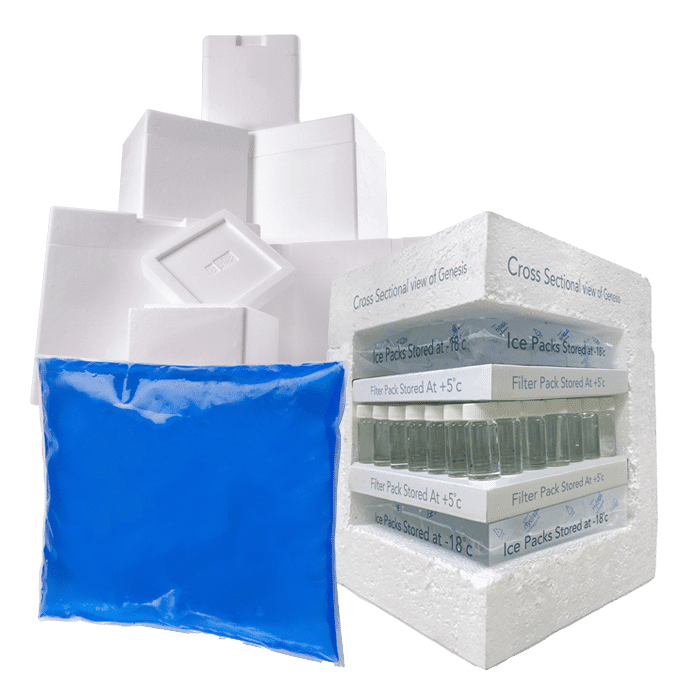
Gel packs are typically made of polyethylene plastic pouches filled with synthetic polymers, most commonly sodium polyacrylate or hydroxyethyl cellulose. These polymers are derived from petroleum-based chemicals and require energy-intensive chemical processing, leading to elevated CO₂ emissions even before the product is filled and sealed.
The production process includes:
- Polymer synthesis using fossil fuels
- Cooling gel preparation and batching
- Sealing using heat or ultrasonic welding
Each of these steps adds to the pack’s environmental impact compared to a simple water-based ice pack that consists of filtered water and recyclable plastic film.
Comparative Carbon Emissions
While specific figures can vary based on manufacturing practices, studies have indicated that gel packs can have a significantly higher carbon footprint compared to water-based ice packs. This is attributed to the complexity of materials and processing involved, which often includes the manufacturing of synthetic gel components and longer production times.
By contrast, water-based packs require only freezing and sealing—processes that are significantly less carbon-intensive.
Source:
End-of-Life and Waste Impact
The environmental damage doesn’t stop after use. Gel packs are difficult to recycle due to their composite construction, and most are either incinerated or end up in landfills. Synthetic polymers used in gel packs are not biodegradable, and leaks can release potentially harmful substances into the environment.
In contrast, water-based packs can be drained and disposed of safely, with the outer shell often recyclable in standard LDPE-4 recycling streams.
Source:



Conclusion: Cutting Carbon Starts with Smarter Cooling
As the climate impact of packaging materials gains attention, the case against gel packs grows increasingly clear. Their complex chemical composition, energy-intensive manufacturing, and poor end-of-life options result in a significantly higher carbon footprint—up to 39% more CO₂ emissions in some scenarios—compared to simpler, water-based alternatives.
In a logistics landscape where sustainability is no longer optional, the cold chain industry must reevaluate its reliance on outdated solutions. Water-based ice packs, especially those designed with recyclable materials and safe disposal in mind, offer a better path forward.
This is where Hydropac sets a new standard.
By developing high-performance cooling solutions based on non-toxic, reusable, and recyclable Phase Change Materials, Hydropac eliminates the compromises often associated with cold chain packaging. Their products are engineered to meet the strictest performance demands—while dramatically reducing environmental impact.
For companies committed to reducing their carbon footprint without sacrificing reliability, Hydropac offers more than just a cold pack. It offers a climate-conscious strategy fit for the future of sustainable logistics.
Less carbon. Less complexity. Same performance. Choose better. Choose Hydropac.