
Why Freeze Speed Matters More Than Most Companies Realise
Freeze speed is often treated as a simple operational detail, yet it influences almost every stage of the cold chain, from energy consumption and freezer capacity to shipment reliability and regulatory compliance. As demand for chilled and frozen distribution continues to increase across food, pharmaceutical and healthcare sectors, many organisations discover that the time required to condition coolant packs is one of the hidden constraints limiting performance. Slow freeze cycles can create bottlenecks, inflate energy costs and increase the risk that products will not remain within their intended temperature range.
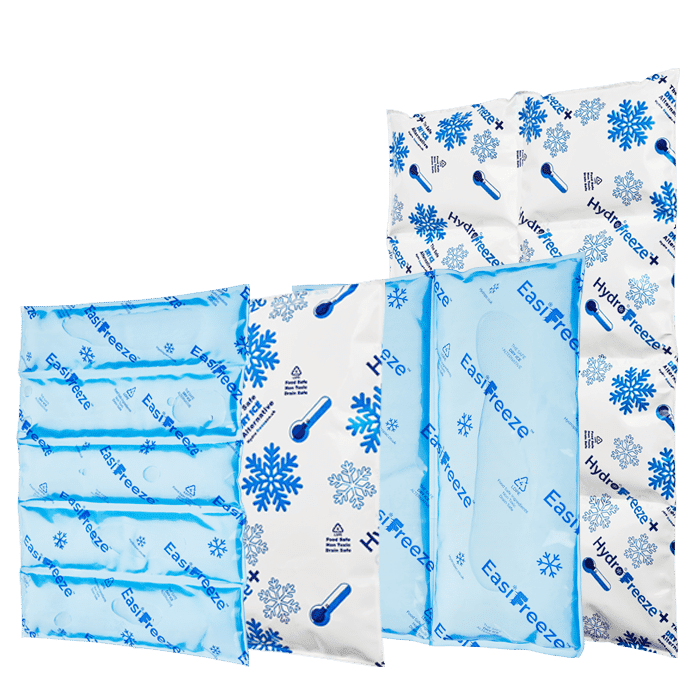
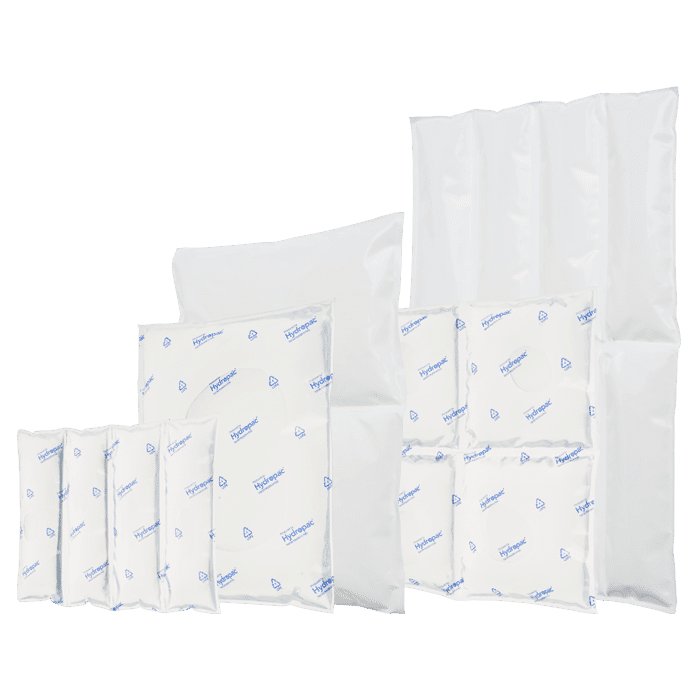
Hydropac works closely with companies that depend on consistent coolant performance and predictable freezing behaviour. Our water based Ice Packs, HydroFreeze formulations and validated FreshPac and PharmaPac packaging systems are designed to support efficient conditioning at the temperature setpoints commonly used across the cold chain. Understanding why freeze speed matters helps reveal how these solutions contribute to more efficient, compliant and resilient operations.
Custom chilled solutions for you
Hydropac offers every customer a customized solution for chilled and conditioned shipping. For example, we help a customer with limited freezing capacity to deliver gel packs frozen and ready to use, and we can manufacture almost all shapes and sizes of cooling elements. As a customer, you come first: we are here to help you.
Understanding the Operational Importance of Freeze Speed
Freeze speed determines how quickly a coolant reaches its required frozen state. Although this appears straightforward, it directly affects freezer load, labour planning, shipment timing and the overall resilience of temperature controlled operations. When freeze times are longer than expected, outbound schedules tighten, facilities need more freezer space, and teams face pressure to use coolant packs before they are fully conditioned. This creates unnecessary risk and higher energy consumption.
Hydropac focuses on producing coolants with predictable freezing behaviour through consistent fill accuracy and reliable thermal properties. This ensures that Ice Packs by Hydropac and HydroFreeze units can be conditioned within expected timeframes, reducing planning uncertainty for food and pharmaceutical distribution centres.
How Freeze Speed Influences Energy Use and Setpoints
The colder the freezer, the harder the refrigeration system must work. Many organisations reduce their setpoint to accelerate freezing, but this can significantly increase energy usage. Since refrigeration already represents one of the largest contributors to cold chain operating costs, any unnecessary increase in freezer workload has a direct financial impact.
Coolants that freeze efficiently at standard temperatures, such as Hydropac’s water based ice packs and HydroFreeze formulations, help reduce the need for excessively low setpoints. Faster freezing at practical temperatures can lower operational expenditure while still ensuring the coolant reaches full thermal capacity before packing.
Capacity, Throughput and Production Planning
Freeze speed directly affects how many coolant packs an operation can prepare in a given period. When conditioning requires many hours, freezers fill up quickly and reduce available space for product storage. This becomes especially challenging during peak seasons for frozen food or high volume pharmaceutical distribution.
Hydropac’s manufacturing methods, including seal through water technology, produce coolants with a uniform profile. This supports consistent freezing and reduces the likelihood of incomplete conditioning. Reliable freezing behaviour allows teams to schedule pack conditioning, picking and dispatch with greater accuracy.
Risk Management in Regulated Cold Chains
Pharmaceutical and biotech distribution involve strict regulatory expectations. EU GDP guidelines require that products remain within validated temperature ranges throughout transport. Packaging systems must be qualified, and coolant packs must be conditioned exactly as specified in the qualification protocol.
If coolant packs are not fully frozen, the thermal performance of the entire packaging system may fall outside validated limits. This can lead to excursions, investigation work and potential product loss. Hydropac’s PharmaPac systems are designed for use in qualified environments where reliable freeze behaviour is essential to maintaining compliance.
Industry Sectors Most Affected by Freeze Speed
Frozen and chilled food
Meal kits, frozen meals, meat, seafood and pet food rely heavily on coolant conditioning. Delays in freezing can limit daily outbound volume and create congestion in fulfilment centres. Reliable freeze speed helps teams manage peaks, improve order flow and keep service levels consistent.
Pharmaceuticals and healthcare
Shipments containing vaccines, biologicals and other temperature sensitive medicines depend on precise pack conditioning. If coolants are not fully frozen, the packaging may not withstand real world temperature spikes. PharmaPac is frequently used in this sector because it is built around validated thermal profiles that reflect the need for predictive freeze and thaw performance.
Biotech and research
Materials such as cell therapies and diagnostic samples often require narrow temperature limits. Reliable freeze speed ensures that packaging systems remain stable during long routes with complex handling stages.

Key Factors that Influence Freeze Speed
A number of technical variables determine how quickly a coolant freezes. These include:
- The difference between freezer temperature and the coolant’s freezing point
- The thermal conductivity of the coolant and film
- The thickness and pocket configuration of the pack
- Airflow inside the freezer and rack layout
- The mass and uniformity of the coolant formulation
Hydropac designs its coolants and pack structures to optimise heat transfer during freezing. Thin, multi chamber configurations in certain Ice Packs support more efficient conditioning by increasing surface area and promoting even cooling.
Packaging Design and Its Role in Freeze Efficiency
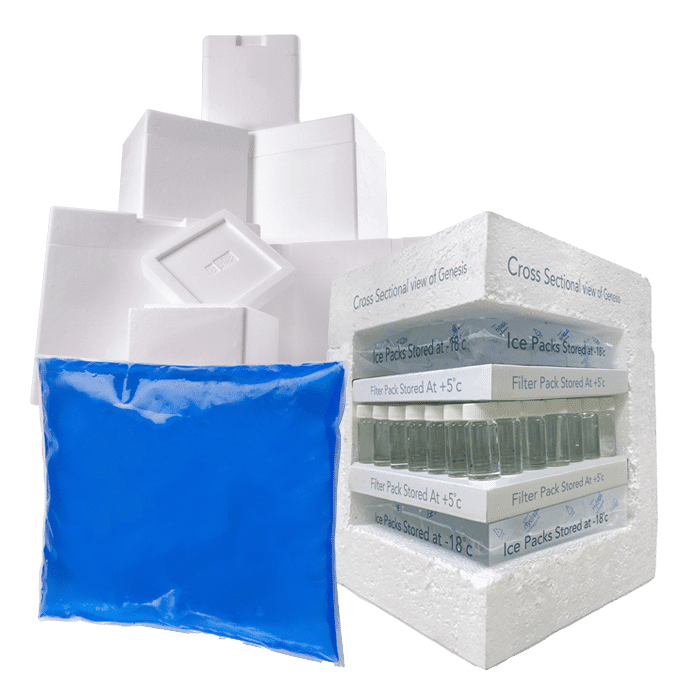
Packaging is not just a container for coolants. The materials, geometry and thermal characteristics influence how easily a coolant absorbs cold and later releases it during thaw. Insulated systems such as FreshPac and EnviroCool help maintain stable conditions once the coolant is in use, but they also rely on the coolant being fully conditioned before packing.
Operational teams benefit from packaging solutions with predictable freeze behaviour, because it reduces the need for oversized freezers, avoids unnecessary lowering of setpoints and improves the consistency of shipment preparation. When packaging and coolant performance align, freeze speed becomes both manageable and predictable.
Engineering Perspective: The Science Behind Freezing Time
From a heat transfer perspective, the rate at which a coolant freezes depends on conduction from the coolant to the surrounding cold air, convection driven by airflow in the freezer and the phase change characteristics of the formulation. Water based coolants generally freeze faster than gel based alternatives because water has favourable thermal conductivity and a well understood freezing curve.
Hydropac uses this scientific foundation to develop coolants that freeze consistently at operationally practical temperatures. This supports both energy efficiency and compliance with food and pharmaceutical standards.
Conclusion
Freeze speed plays a far greater role in cold chain performance than many operations teams realise. It shapes freezer capacity, energy use, labour planning and the reliability of chilled and frozen shipments. When coolant packs freeze slowly or inconsistently, the entire system becomes less predictable and more expensive to operate. By contrast, coolants and packaging systems designed for efficient conditioning provide a stable foundation for food, pharmaceutical and biotech logistics.
Hydropac’s water based Ice Packs, HydroFreeze coolants and validated FreshPac and PharmaPac systems are built with consistent thermal behaviour in mind. Our predictable freeze profiles help organisations manage capacity, maintain regulatory compliance and reduce unnecessary energy expenditure. As demand for temperature controlled distribution continues to rise, understanding and optimising freeze speed will remain essential to achieving reliable and sustainable cold chain operations.