
How Freezing Temperature Requirements Influence Operational Costs Across the Cold Chain
Maintaining frozen and chilled products at the correct temperature is one of the most energy intensive and operationally sensitive aspects of cold chain logistics. Small changes in freezing requirements can significantly influence running costs, storage capacity, equipment performance and product stability. Many organisations concentrate on product handling or route planning, yet the chosen freezing temperature within storage and distribution facilities is often the single biggest factor driving both energy consumption and system efficiency.
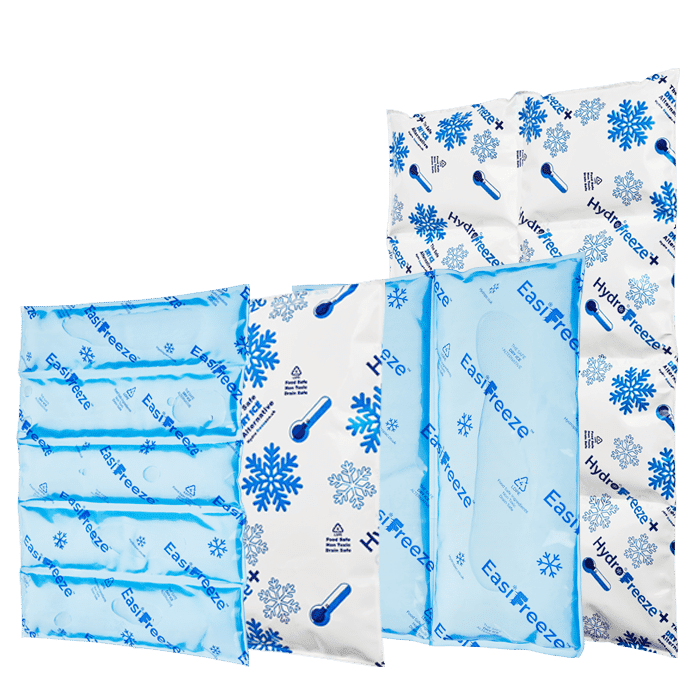
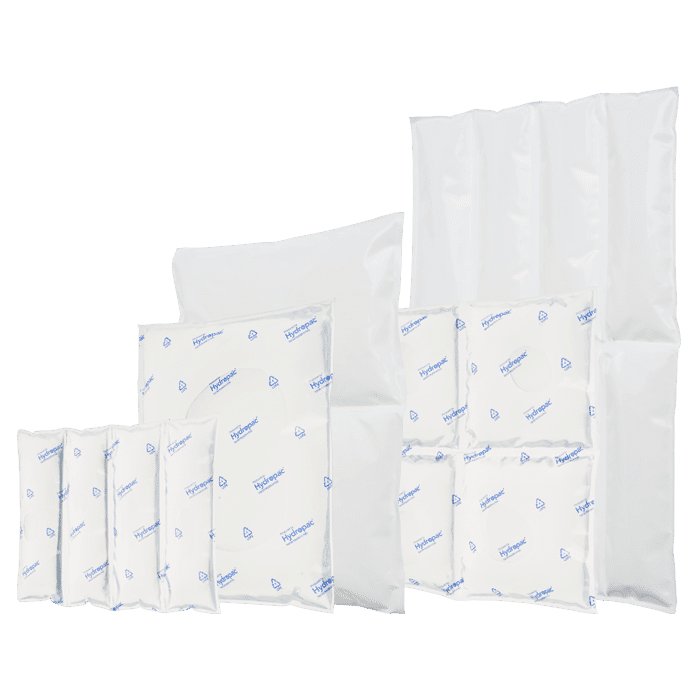
Hydropac works closely with food, pharmaceutical and healthcare sectors that depend on dependable temperature controlled packaging. Our water based ice packs, HydroFreeze formulations and validated systems such as FreshPac and PharmaPac are shaped around the specific temperature bands used across the cold chain. Understanding how freezing temperature requirements affect operational costs helps explain why matching coolant performance with the correct packaging and handling conditions is essential for both sustainability and reliability.
Custom chilled solutions for you
Hydropac offers every customer a customized solution for chilled and conditioned shipping. For example, we help a customer with limited freezing capacity to deliver gel packs frozen and ready to use, and we can manufacture almost all shapes and sizes of cooling elements. As a customer, you come first: we are here to help you.
Why Freezing Temperatures Matter in Cold Chain Operations
Setting the correct freezing temperature is a balancing act between product safety, regulatory expectations and operational costs. Lower temperatures require more energy, place greater strain on refrigeration systems and extend the time needed for coolant packs to reach their target state. Higher temperatures can save energy but may compromise product integrity. The optimal point depends on both the product specification and the performance of the packaging system used.
Hydropac develops water based coolants and insulated systems that are designed to support stable temperature profiles at common setpoints used in frozen and chilled logistics. By producing packs with consistent fill accuracy and predictable thermal performance, the company helps reduce unnecessary pressure on freezers and transport infrastructure.
Energy Demand and Cost Implications
Refrigeration systems consume significantly more energy as temperatures drop. The difference between operating at minus 18 degrees and minus 25 degrees is not linear. Mechanical refrigeration must work harder to maintain lower setpoints and this increased effort translates into higher energy consumption and operating expenses.
For high volume fulfilment centres that rely on rapid freeze down cycles, coolant selection plays a crucial role. Water based ice packs, HydroFreeze units and other Hydropac coolants are formulated to freeze efficiently within the temperature ranges typically used for frozen food logistics. If a coolant can achieve its required phase state at a less extreme setpoint, freezer load decreases and the associated running costs reduce with it.
The Impact on Throughput and Capacity
Colder setpoints extend the time needed to freeze coolant packs fully. This has direct implications for storage space, labour planning and daily operational capacity. Facilities that rely on large volumes of coolant must account for the available freezer footprint, the speed at which packs reach their target temperature and the predicted shipment schedule.
Hydropac’s production methods, including seal through water technology, ensure uniform coolant structure, which improves freeze consistency. Even freezing across the surface of a pack supports a reliable thermal mass. This reduces the likelihood of incomplete freeze cycles and helps prevent congestion inside cold storage facilities that are already under pressure to maximise throughput.
Temperature Requirements in Regulated Sectors
In pharmaceutical logistics, compliance with strict regulatory frameworks shapes temperature strategy. EU GDP guidelines require companies to demonstrate that packaging systems maintain the correct temperature throughout transport. This does not always mean that freezers must operate at extreme setpoints. Instead, validated packaging and coolant combinations, such as Hydropac’s PharmaPac systems, can maintain product-specific ranges within a controlled environment.
In frozen and chilled food logistics, the safety of the product depends on maintaining the required core temperature. Many products must be stored at minus 18 degrees or below, but this does not necessarily mean that all packaging needs to be frozen at the lowest possible freezer setting. A high performance coolant that has been fully frozen at an appropriate temperature can compensate for thermal spikes during distribution, reducing the need for aggressive settings in upstream storage.

Sustainability Pressures and Emission Targets
Energy efficiency and carbon reduction targets continue to reshape the cold chain landscape. Organisations are exploring ways to reduce their reliance on deep freeze conditions while maintaining quality and safety. Packaging plays a central role in this transition. If insulation and coolant systems perform well, the active cooling infrastructure does not need to work as intensively.
Hydropac’s focus on water based coolants, recyclable insulation materials and carefully validated systems aligns with broader sustainability goals. Improved thaw performance and consistent thermal behaviour help protect products even when setpoints are less extreme, reducing overcooling and unnecessary energy expenditure.
Packaging as a Cost Reduction Tool
The relationship between freezing temperature and operational cost is influenced heavily by the packaging solution used. A well designed system can maintain the required temperature for longer periods and reduce reliance on aggressive freezer settings. This involves selecting the right coolant volume, phase change characteristics, insulation material and pack placement.
A successful approach often considers:
- The product’s temperature sensitivity and required holding time
- The performance curve of the chosen coolant
- The insulation of the outer packaging
- The expected ambient temperatures along the route
- The capacity and operating conditions of the freezer itself
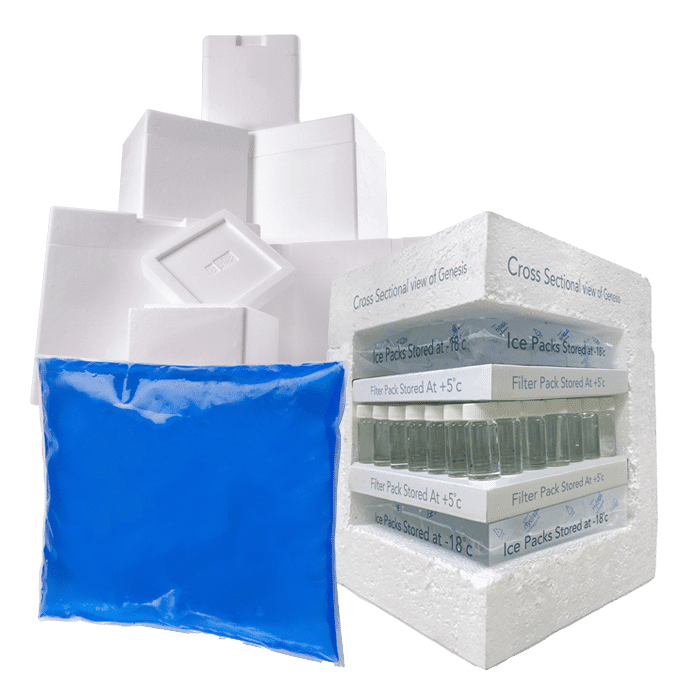
Hydropac’s FreshPac and PharmaPac families are engineered to combine coolant performance with suitable insulation so that temperature stability is controlled within the packaging rather than through excessive energy use in storage or distribution centres.
Scientific and Engineering Considerations
From an engineering perspective, the thermal load on a freezer increases as the temperature differential between the internal space and the surrounding environment becomes larger. Every degree of additional cooling requires more compressor work and leads to higher energy consumption. This principle is well established in refrigeration science and influences decisions across the cold chain.
By improving the thermal performance of packaging and coolant systems, organisations can better align their freezer setpoints with operational needs. This can reduce costs, improve system reliability and help achieve sustainability objectives without compromising product safety.
Conclusion
Freezing temperature requirements shape every part of the cold chain, from the energy needed to operate storage facilities to the reliability of temperature sensitive products during transport. The choice of coolant, the insulation of the packaging system and the operating setpoint all influence how efficiently a supply chain can function. Organisations that understand these relationships are better able to control costs, reduce energy consumption and maintain product integrity.
Hydropac supports this balance by developing water based coolants, insulated systems and validated solutions that perform consistently at the temperature ranges used across food, pharmaceutical and healthcare logistics. Our focus on predictable freeze down behaviour and stable thaw performance allows operational strategies to be aligned with both regulatory expectations and sustainability goals. As energy pressures continue to rise, the ability to match packaging performance with appropriate freezing conditions will remain central to effective cold chain management.