
Trusted by leading companies
Perishable food shipping supplies
- Reliable Temperature Control Across the Cold Chain
- System based cold chain solutions
- Informed, bespoke packaging design
Protecting Fresh and Frozen Foods Throughout the Cold Chain
Perishable food shipping supplies are essential for keeping temperature sensitive food items safe from production to delivery. Hydropac provides high quality insulated packaging, ice packs and gel packs designed to maintain reliable temperature control during transport. Our solutions support chilled and frozen food distribution for meal delivery services, catering operations and food retailers across the UK. By combining food safe materials, robust insulation and innovative manufacturing methods such as seal through water technology, Hydropac helps businesses protect food quality, meet safety requirements and deliver a consistent customer experience.
Discover Perishable food shipping supplies
Hydropac isn’t just packaging; it’s a revolution of quality, innovation, and sustainability. Join us on this exciting journey to redefine packaging excellence.



Purpose Built Packaging for Perishable Food Distribution
Shipping perishable food requires accuracy, reliability and a strong understanding of cold chain behaviour. Perishable food shipping supplies must protect food quality at every stage of the shipping process, from packing and storage through to final delivery. Hydropac develops solutions that are engineered to maintain stable temperature ranges, reduce risk and support food safety across both short and extended shipments.
A Complete Range of Insulated Packaging Solutions
Across the FreshPac and Ice Packs by Hydropac ranges, a broad portfolio of insulated food packaging is available to meet real world distribution challenges. Each component is designed to work together as part of an integrated packaging system, supporting consistent temperature control and efficient handling.
Available solutions include:
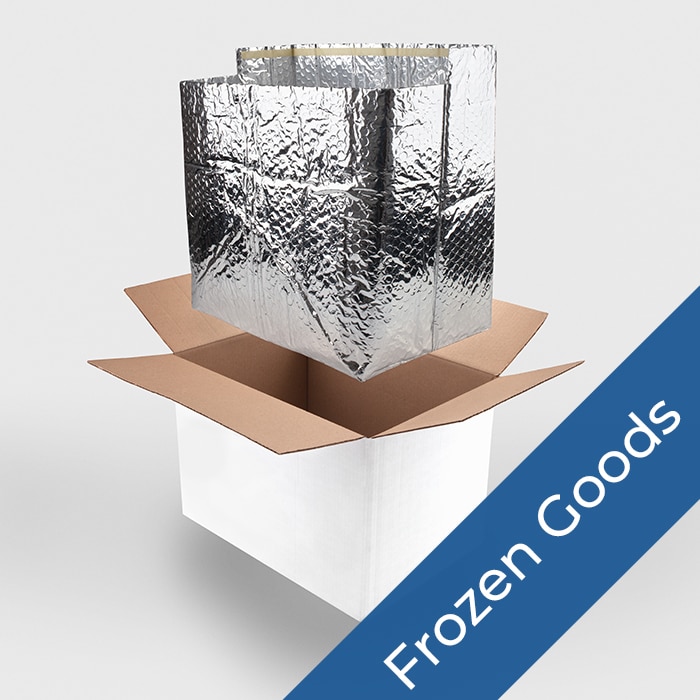
- Insulated shipping boxes made from corrugated cardboard combined with high performance liners
- Thermal liners such as EnviroCool, RecycleAir and ReflectiveAir for effective cold retention
- Insulated foam containers and moulded solutions offering added thermal reliability
- Refrigerated shipping boxes suitable for chilled and frozen food items
These packaging systems help protect temperature sensitive foods while optimising pack-out efficiency and minimising unnecessary material use.
Reliable Cold Packs and Refrigerant Solutions
Effective temperature control depends on more than insulation alone. A wide range of ice packs, gel packs and cold packs is available to deliver predictable cooling performance across different temperature ranges. Manufactured using food safe coolants and hygienic seal through water technology, these refrigerant solutions support consistent cooling cycles while reducing the risk of leaks or contamination.
Key features include:
- Water and gel based ice packs for chilled and frozen foods
- Sheet, block and hard shell formats for flexible pack configurations
- Custom pack sizes to suit different insulated shippers and food items
- Dependable performance for both last mile and extended deliveries
Designed with Food Safety in Mind
Food safety is a critical consideration in perishable food logistics. These perishable food shipping supplies are developed to support food safety management systems and temperature control requirements throughout the cold chain. By maintaining stable conditions during transport, the risk associated with high risk foods and temperature sensitive materials is significantly reduced.
This approach supports safe distribution for meal kits, grocery deliveries, butcher shops and catering operations, ensuring food arrives fresh, protected and ready for consumption.
Supporting Sustainable Food Logistics
Sustainability plays an increasingly important role in modern food distribution. Many insulated packaging solutions are designed using recyclable materials and efficient structures that balance thermal performance with environmental responsibility. By reducing excess packaging and improving recyclability, perishable food shipping supplies can support reliable temperature control while aligning with long term sustainability goals.
Contact us directly
We are ready to answer all your questions and help you find the perfect solution for your cold chain transport.
From issue to a customised cooling solution
In this way we help you to guarantee the quality and safety of food products under all circumstances.
Mass production
Transport
End user
FAQ's about Perishable Food Shipping Supplies
What are perishable food shipping supplies?
Perishable food shipping supplies are packaging solutions designed to protect temperature sensitive food items during transport. They typically include insulated shipping boxes, thermal liners, ice packs and gel packs that work together to maintain safe temperature ranges throughout the cold chain.
Which packaging materials are commonly used for shipping perishable foods?
Common materials include corrugated cardboard outer boxes, insulated liners, moulded insulation and refrigerant packs. These materials provide the thermal insulating properties needed to protect chilled and frozen foods during distribution.
How do ice packs and gel packs support temperature control?
Ice packs and gel packs act as refrigerant solutions within insulated packaging. They absorb heat during transit, helping to maintain consistent temperatures and reduce the risk of food safety issues caused by temperature fluctuations.
Are perishable food shipping supplies suitable for both chilled and frozen foods?
Yes, these packaging systems are designed to support a wide temperature range. By selecting the appropriate insulation and refrigerant combinations, both chilled and frozen food items can be transported safely, even during extended shipments.
How do these solutions support food safety and compliance?
Maintaining temperature stability is essential for food safety. Perishable food shipping supplies help support compliance with food safety management systems by reducing exposure to unsafe temperatures and protecting high risk foods throughout the shipping process.